Day: 23 December 2021

Equipment List For New Vet Clinics with PDF Guide!

Veterinarian with a dog promoting a free PDF guide for new clinic equipment checklist

From autoclaves to X-ray equipment we go through the must-have items for a Veterinary clinic. Veterinary clinics require specific equipment and instruments to work with. Opening a new Veterinary clinic? Doing a clinic renovation? This list is for you! We created a list of recommended equipment for a Veterinary clinic, to ensure you are covered.

Anesthesia

Surgeries are routine in Veterinary clinics so having a reliable, high-quality Anesthesia machine is important. You want to do your research on this one and ensure you are purchasing one that is safe, reliable and makes the process very smooth while providing minimal risk to your patient.

Manufactured in Canada, we are proud to sell Supera Veterinary Anesthesia machines that are recognized and used in Veterinary clinics and leading universities across North America. Engineered for ease of use and safety these machines can be used with small or large animals. 

Cages + Kennels

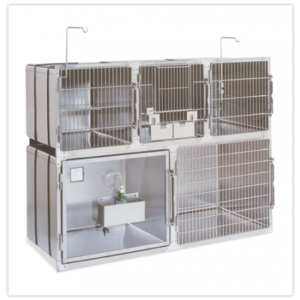
You will need a location for animals to go while awaiting pickup or for surgery recovery. Cages and Kennels come in all shapes and sizes. Not sure what you need? Check out our blog for multiple articles on cages, maintenance, and tips for choosing. When you’re ready, download our “Quickstart guide to cages”.

Veterinary Dental

Animals need their teeth checked and cleaned, just like humans. Ensuring you have all the dental equipment and instruments available can be overwhelming. Each patient’s needs will vary depending on species and size.

Intriquip is an official dealer of Dentalaire products in Canada. They offer high-quality dental carts as well as a full line of dental instruments for your procedures. Simplicity, low maintenance, and high quality are all benefits of Dentalaire products. We offer their complete line of accessories to ensure you have the right tool on hand. Rest assured we have you covered,  from veterinary dental machines, instruments, consumables, and x-ray machines.

Veterinary Diagnostics

Before surgeries start, you need to know the problem and when it is not obvious you will need the right tools to help you determine the issue. You will need a wide range of equipment to help you diagnose client problems. 

Don’t forget about endoscopy!

Surgical Equipment, Lighting, and Tables

Exam rooms, prep-procedure area, and a surgical suite are a staple of every veterinary clinic. These areas will fill up the majority of your clinic. With so many options of tables, lights, and surgical equipment it may be hard to know where to start. Equipment will have all types of features like hydraulics, lifts, mobile or stationary, and sizes. Having high-quality products is key to ensuring the safety of your patients and ease of use for your staff.

Our surgical equipment includes instrument tables, sinks, tubs, gurneys, stands, and more. Our veterinary tables include tables for bathing, exam, lift, prep, surgery, and prep procedure. They come with all types of features including wall-mounted, lift, hydraulic, v-top, and more. All are made with the highest-grade stainless steel and manufactured in the US. 

Our lighting selection brings a wide variety to fit your budget and needs. We offer headlamps and surgery lights, all of the highest quality. 

Microscopes

Another key component of every veterinary clinic is microscopes. Our large selection of microscopes fit all budgets and needs. A selection of accessories (including cameras, upgrades and modifications, extra bulbs, and more) ensures you have what you need to get the job done.

Patient Monitoring

Monitors come in all shapes, sizes, and features. We recommend making a list of what features you need for your clinic. This will help narrow down what model may be best for you. We offer a variety of vet monitors including multi-parameter touchscreen monitors, monitor accessories, handheld, and mobile monitors as well as infusion pumps. These monitors come from top brands like Bionet,  and Avante.

Veterinary Scales

You’re going to want a couple of these in the clinic. We offer portable or stationary scales for all sizes of animals.

Sterilizers

The easiest way to sterilize your instruments is by having at least one autoclave. Autoclaves come in various capacities as well as automatic or manual. Tuttnauer launched a special line of veterinary autoclaves with automatic and manual options. We carry a selection of new and used options from top companies like Tuttnauer

To ensure you get the best care you need, we are an authorized manufacturer service center in western Canada for the Tuttnauer brand.

Ultrasounds

Diagnostic imaging like ultrasound is another key component of your veterinary equipment. It is an important tool to provide a diagnosis. You will want a top-quality product that also provides high-quality and high-resolution images. Whether you are working with companion animals or out in the field with large animals, an ultrasound will be essential. We specialize in portable ultrasounds for larger animals made by Reproscan.

Veterinary Patient Warming

Patient warming is a key component of your surgery suite. You can get all kinds of patient warming devices so do your research, or read our article on “Comparing patient warming systems” and decide the best fit for your clinic.

Veterinary X-ray Machines

One of the biggest purchases you will make for your clinic is the x-ray machine. It can be a complicated and confusing selection. Start by determining whether you want DR or CR. Not sure the difference? Check out our “Differences between CR and DR Radiography”. Once you decide on that, establish what size of animals you will be working with and if portability is important. We offer high-quality, professional veterinary x-ray systems customized for your clinic. We have product specialists to help you find the right fit for your clinic and a full-service team to help get you started and keep you going.

Click on a room to view equipment options
new clinic checklist 968x1024 1

DOWNLOAD PDF GUIDE  ↓↓↓↓

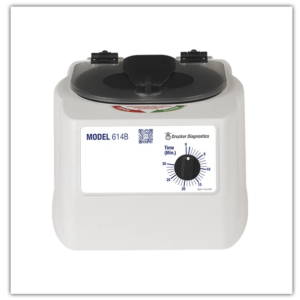
Centrifuge Maintenance

blog centrifuge

Centrifuge Maintenance Checklist

Centrifuges require cleaning and maintenance like any other piece of equipment. Staying on top of regular maintenance helps ensure that your centrifuge will keep working and prevents unwanted breakdowns which would leave you stranded.

Centrifuge location tips:

  • Place on a flat and level surface
  • Ensure emergency numbers are nearby and up to date
  • If relocating centrifuge, ensure new surface is clear and clean

Daily (or weekly) Checklist

  • Unplug Centrifuge
  • Wear Disposable Gloves
  • Clean interior and exterior with a cloth/sponge and  mild detergent (no chlorine or harsh detergent!)
  • Only use a plastic scrub pad – do not use steel wool or wire brushes as they can damage coatings
  • Check for corrosion and residue on motors
  • Once complete, make sure you re-lubricate rubber seals and bucket grooves
  • Plug centrifuge back in when completely dry
Scheduling a preventative maintenance inspection with a trained technician will help prolong the life of your centrifuge and reduce the risk of you not being stranded by a breakdown. We offer this service to veterinary and medical clinics across Canada. An appointment with a technician will ensure that your centrifuge is fully inspected, cleaned and looked after to ensure no damage or issues are present. Contact us today to schedule your appointment.

When to upgrade from CR to DR X-Ray?

blog upgrade xray

When to upgrade your CR system to DR?

When should you upgrade?

  • When the CR starts having frequent service issues
  • When volume grows to the point where the CR is time-consuming
  • When you are moving facilities or renovating the clinic. The layout of the x-ray room can be much more efficient with a DR system.
What to look for in a DR system
 
  • Software usability, user-friendliness
  • Software support and maintenance
  • DR warranty
  • DR specifications and image quality
 
How much does a veterinary DR x-ray system cost? The price of a DR x-ray system will vary but here is what you can expect in Canada.

  • DR Retrofit (adding a DR to an existing x-ray table) can be accomplished for as little as $35K CAD
  • A complete new DR X-Ray package with a new X-Ray generator and table starts at $58K CAD
vet xray panel

Mixed Animal X-Ray DR Panel Features

Introducing our new and improved Wireless DR Panel for Veterinary radiography. Wireless Portable Flat Panel Detector for Digital Radiography Our mixed animal xray system just got an upgrade with this new flat panel. It comes with some amazing new features. There are 2 sizes available and an optional charging cradle available. We know your time is valuable, that’s why we made the new features short and simple! Supreme Durability – Drop tested at 1 meter IP67 Water and Dust Resistant – Protects against harmful dust and immersion in water at a depth of up to 1 meter for up to 30 minutes. Temperature Stability – Operates from 0 – 40 degrees Celsius Easy Charging – includes USB-C charging cable, optional 2 slot charging cradle available Long Lasting Battery – embedded battery allows long hours of operation LEARN MORE

Read More »
cr vs dr

The difference between CR and DR radiography.

Check Out This CR vs. DR Radiography Comparison Chart If you own or are looking to buy an x ray system, you have probably heard of CR and DR radiography. Both are types of digital x ray equipment but what is the difference between CR and DR radiography? Digital Radiography (DR) is the latest advancement in Radiography. DR technology quickly transfers images to the computer so you can view and diagnose without wait time. DR systems can be fixed or mobile. These systems are perfect for any clinic or mobile practice. Digital radiography systems are more expensive than Computed Radiography, but they come with many advantages. Computed Radiology (CR) is the digital replacement of X-ray film radiography. CR radiography uses phosphor image plates to create a digital image. Although it is an older technology, it is still digital technology and is more cost effective. It does need more input and requires more time for image acquisition. A comparison chart of the difference between CR and DR radiography: Digital Radiography (DR) Digital radiography (DR) has become the most widely used imaging option in veterinary clinics due to its speed, efficiency, and image quality. Advantages of digital radiography Higher quality image Can be portable: perfect for mobileand clinics Rapid image viewing More efficient: higher workflow Less risk of overexposure More compact Disadvantages of digital radiography Higher initial cost Costly parts (should always be protected) Computed Radiography (CR) Computed radiography (CR) is not nearly as popular for veterinary clinics due to its slower processing times, and reliance on physical imaging plates. Advantages of computed radiography Lower initial cost More flexible plate sizes for positioning options Less cost to replace Great for any size clinic Disadvantages of computed radiography Need more maintenance Lower image quality Easier to damage phosphor image plates can get scratches/tears Less efficient: slower workflow More xray dose required Takes up more space More time to process images before initial viewing Find the Right Veterinary Radiology Equipment for Your Practice Intriquip offers a diverse range of veterinary X-ray equipment, including advanced CR and DR systems tailored to the needs of modern practices. Whether you’re upgrading your current setup or investing in new technology, our high-quality solutions deliver precision, efficiency, and ease of use. If you’d like to learn more about all the veterinary x-ray systems we carry, see our article below. Learn More About X-Ray Systems

Read More »

Best Microscopes for Veterinary Use

blog microscopes

Top microscopes for Veterinarians

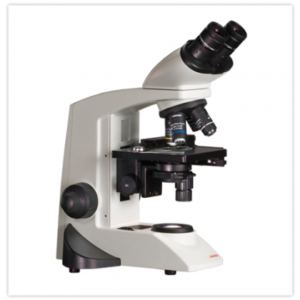
Looking for the best microscopes for veterinary use? Looking for a professional microscope for your practice? Our product specialist narrowed it down to the top 2 microscopes for veterinary use. We went through the big differences and what may fit your practice.

Labomed CXL and Motic BA210

Benefits of these microscopes in a veterinary clinic

  • Labomed CXL – lightweights, compact, battery-powered, LED light and portable
  • Motic BA210 – improved ergonomics, upgraded optics, LED light
Difference between the Labomed CXL and Motic BA210
 
  • Size – Motic is a bigger microscopes
  • Head Angle:
    Motic BA210 has a 30degree for seated use
    Labomed CXL has a 45 degree angle for standing use
Why are these ideal for veterinary use?
  • Low maintenance
  • Professional quality
  • Good optics
  • LED light source will last the lifetime of the microscope
  • CXL is compact and can easily be transported

SERVICE & SUPPORT

We offer service and maintenance on all makes and models of microscopes. If you need your microscope looked at please contact us. Located in Saskatchewan we service equipment all across Canada.

How to layout your cage arrangement

blog cage tips

Veterinary Cage Arrangement Tips

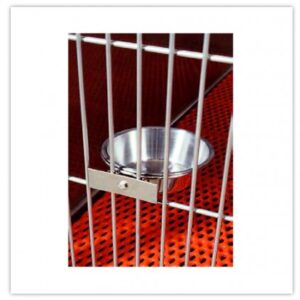
If you have looked into purchasing cages for your clinic or practice you will know, it can be a complicated process. To keep things simple we gathered up the top 3 things you have to keep in mind while planning out your space.

Veterinary cage guidelines:

  1. Each row must be the same height all the way across

  2. All rows in the arrangement must be the same overall width

  3. 1-2 row cage arrangements can be mobile or stationary
    * it is not recommended for 3 row arrangements to be mobile (on wheels)

Comparison: Ultrasound Viewing Devices

blog ultrasound viewing

Ultrasound Viewing Devices: Goggles VS Monitors

Veterinary ultrasounds require viewing devices, but knowing which one to choose can bring up some questions. To keep it simple, it comes down to personal preference and what works best for your situation.

Here are the benefits of each veterinary ultrasound viewing device:

  • Goggles: with the ability to wear the viewing devise and ultrasound this provides the ultimate in mobility
  • Monitor: improved image quality, less likely to become damaged, better ergonomics, promotes safe practices and it is safer for the operator (better peripheral vision)