Day: 18 April 2021

Vet Anesthesia Circuits Explained with PDF Guide

anesthesia circuits guide

Veterinary Anesthesia Circuits Explained:
Non-Rebreathing Circuit VS Rebreathing Systems

The Difference Between Non-Rebreathing Circuit (NRB, BAIN) and Rebreathing (circle) Systems

This brief summary of the two most popular anesthesia circuits currently in use is intended as an easy reference to simplify and explain the strengths and advantages of both systems.

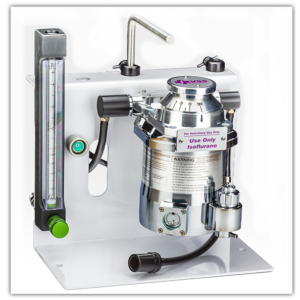
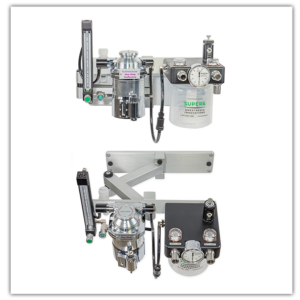
Intriquip often recommends that general small animal practices have the capability for both, Rebreathing and Bain anesthesia. This is made easy with our selection of veterinary anesthesia systems that only require a Bain adapter to perform Bain anesthesia as well!

Non-Rebreathing Circuit (NRB, BAIN)

The non-rebreathing circuit is a physically simpler system. In this circuit, oxygen flows through a flow meter and into the vaporizer. At this point, gases exiting the vaporizer go directly to a hose for delivery to the patient with no inhalation flutter valve. Exhaled gases pass through another hose and may enter a reservoir bag, but do not enter a CO2 absorber. The gas is then released into a scavenger.

  • Used for patients weighing less than 10 pounds.
  • Several types exist (Bain, Ayres T, Norman mask elbow, etc.)
  • All are modifications of the same basic design.
  • Differ in location of fresh gas inflow, position of reservoir bag and location of exhalation port.
  • On inspiration fresh gas is inhaled from both the narrow tubing from the anesthesia machine and the corrugated tubing leading away from the endotracheal tube connector.
  • Absence of soda lime means rebreathing must be prevented via high oxygen flow. Inadequate flow rates allow CO2 to be re-breathed and may create respiratory acidosis.
  • Minimum oxygen flow-rates of at less 200-300ml/kg/minute will prevent significant rebreathing in most patients by flushing out expired gases during the pause between breaths.

Advantages of Non-Rebreathing Circuit

  • Less resistance to breathing.
  • Less mechanical dead space.
  • Rapid manipulation of anesthetic depth: in NRB the fresh gas inlet is adjacent to the endotra-cheal tube connection; changes in flow meter or vaporizer settings affect the inspired gas concentration almost immediately. (Volume of rebreathing circuit with a 3L bag is approxi-mately 6L. Volume acts as a “buffer” to changes in anesthetic concentration.)

Disadvantages of Non-Rebreathing Circuit

  • High flow of dry cool gas is administered to the patient, which can cause significant heat and humidity loss. 
  • This can contribute to hypothermia, especially in small patients.
  • Significantly higher waste of both carrier gas and anesthetic agent results in increased costs.

Non-rebreathing Bain Circuit Diagram

Rebreathing (Circle) Systems

With rebreathing anesthesia the flow of gas through the machine is circular: reservoir bag–inhalation valve–inspiration hose–animal–expiration hose–exhalation valve–carbon dioxide canister–back to the inhalation valve.

  • A rebreathing circuit is used for patients weighing over 10 pounds.
  • Methods
    • Closed system – Pressure relief valve is completely closed
      • Used only with low flow techniques in which oxygen delivery is calculated to meet metabolic needs. We do not use these techniques in the field.
    • Semi-closed system – Pop-off valve is open or partially closed.
      • Used with medium and high-flow techniques in which oxygen delivery exceeds oxygen consumption and excess gases are eliminated through a pressure relief valve.
      • Advantages of medium and high-flow include safety to the animal and more rapid change in anesthetic concentration.

Advantages of Rebreathing Circuit

  • Economical: expired oxygen and anesthetic vapor are re-circulated and reused, using less oxygen and anesthetic agent compared with a non-rebreathing system.
  • Humidification of inspired gas, preserving heat and moisture of the patient.
  • Warmth: during the absorption of CO2 in soda lime, heat is generated. This helps to preserve further body heat.

Disadvantages of Rebreathing Circuit

  • Resistance to gas flow, primarily caused by one way valves in the system, soda lime canister, and pressure relief valve.
  • Can make it difficult for small patients to ventilate.
Rebreathing Circle Circuit Diagram

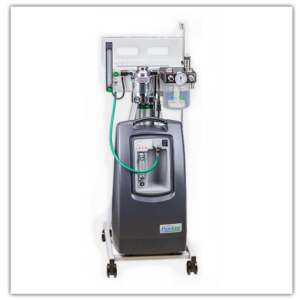
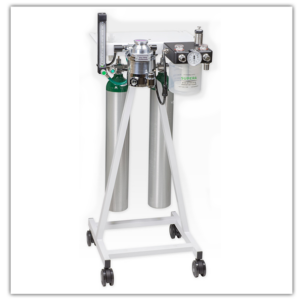
Find the Right Veterinary Anesthesia Machine for Your Practice

Intriquip offers a carefully curated selection of veterinary anesthesia machines designed to work seamlessly with both rebreathing and non-rebreathing circuits. From compact, space-saving models to robust systems for high-volume clinics, we have options to suit every practice. Explore our collection to discover reliable, high-quality equipment tailored to your specific needs.
How to take the pain out of selling dentals

selling dentals

Do you avoid selling dentals?  Does your staff avoid doing dentals?
Dentals should not be a sore spot at your clinic but rather an easy way to grow business during possible slow times or create annual appointments.

Reasons your staff may fear selling dentals:

  • Clients fear the price of products
  • Clients assume you are only trying to upsell products rather then looking out the best interest of your pet

Here are a few tips on how to sell dentals to your clients:

Understand the client
  • Talk to them about their pet and answer any questions they may have
  • Read the client: do they want answers now or do they want to take it slow and learn all the facts before purchasing
Educate them on the problem
  • Talk to them about a problem
  • Draw a picture or us a diagram/model
  • Show them on the patient
  • Describe possible complications (heart disease, etc.)
Talk about benefits and consequences
  • Don’t just tell them the benefits but mention what can happen if they don’t do this treatment or choose to wait to long
    • Benefits of dentals include fresher breath, eating without pain, etc.
    • Negative effects if they avoid them, could make dental disease worse, infection, etc.
  • Ensure them you are looking out for their pet (not upselling)
  • Instead of using veterinary terms, explain to them how their pet will be treated during the treatment and answer any questions they have
  • Addressing these questions is important:
    • Who does the procedure?
    • What happens during the procedure? Mention any medications that may have to be used during/after the procedure
    • How long it will take and when will they will be contacted?
    • How are pets are monitored during procedure?
    • Talk about the cost in a price range

What to consider when purchasing a patient monitor

blog-header-patient-monitors

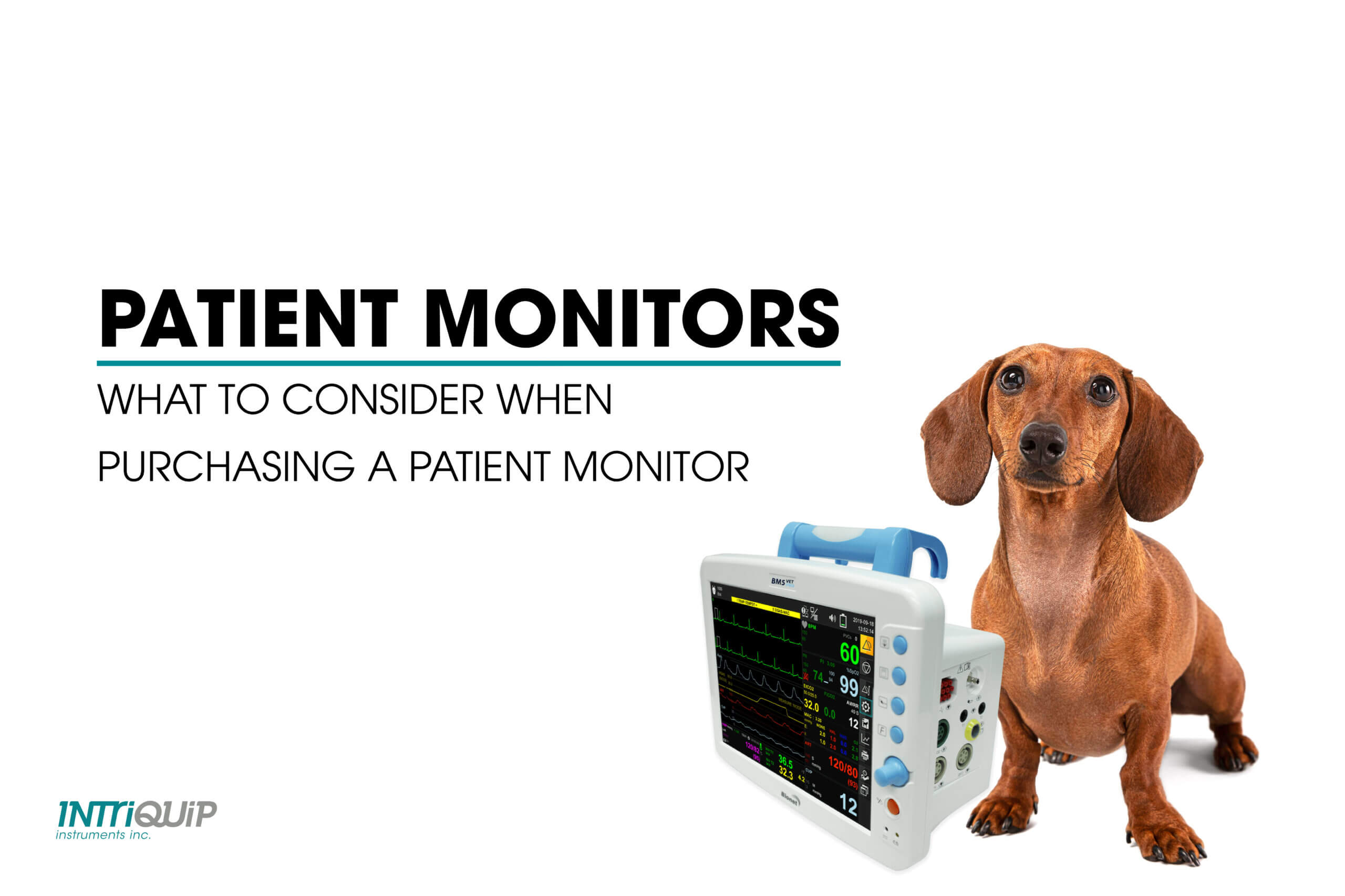
Patient monitoring is a huge part of your clinic and we understand that purchasing a new patient monitor can be a daunting task. Each brand may offer different features but as the end-user, you want something that you are comfortable with. We understand that you may have more questions than answers. Let us help by establishing the most important questions you should ask before purchasing a new patient monitor:

  • Where will you use it?
  • How easy it is to use?
  • Is it made by a proven and reliable manufacturer?
  • What/how long is the warranty?
  • Training materials?
  • Are the accessories cross-compatible with other monitors in the same line?
  • What software/apps does it use?
  • What parameters might benefit the practice?
  • Do I need capnography?

Pet Dental Health Month in February: A Guide for Clinics

blog-header-dental-pdf

Every February, pet lovers and veterinarians come together to mark a significant event in pet care: National Pet Dental Health Month. The month is more than just a calendar event; it’s an important time to underline the importance of dental health in our furry friends and for clinics to adopt the best practices in pet dental care.

What is Pet Dental Health Month?

Pet Dental Health Month is an annual event each February designed to promote the importance of oral health in pets. Initiated by the American Veterinary Medical Association, the month focuses on educating pet owners and veterinary professionals about the prevention, detection and treatment of dental diseases in pets.

Why is Pet Dental Care Important?

Oral health is vital for the overall wellness of pets.  Dental issues, if neglected, can lead to severe health problems such as: 

  • Periodontal disease
  • Tooth loss
  • Serious health complications in organs

Clinics therefore play a critical role in educating pet owners about routine dental care and the early identification of dental problems beyond the month of February.  

Choosing the Right Dental Products for Pets

When it comes to maintaining and promoting dental health in pets, the right tools make all the difference in veterinary care. 

We’ve picked out our selection of essential dental products that are safe and effective in ensuring top animal dental health beyond the event.

true seal prophy snap on

These prophy angles are essential for thorough dental cleanings, reducing plaque and preventing periodontal disease. The firm bristles are designed for durability making them ideal for use in pets with significant plaque buildup.

DTP10612

This comprehensive kit includes everything a clinic needs to perform a variety of dental procedures, from basic exams to more complex treatments. Specialized instruments, like the 5/6 Barnhart Curette, allow for precise plaque and tartar removal, which is crucial for preventing dental disease in pets.

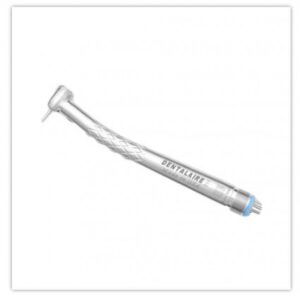
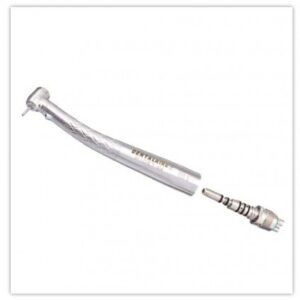
dentalaire firber-optic handpiece

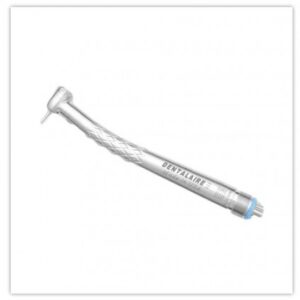
High-speed fiber-optic handpieces improve the accuracy and efficiency of dental procedures, providing better outcomes for pets. Improved visibility and precision mean less time under anesthesia and quicker recovery for animals.

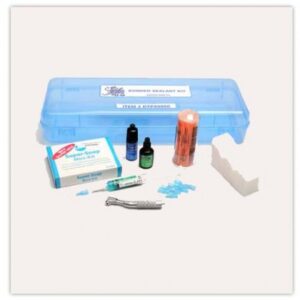
bonded sealant kit

This kit is crucial for treating fractures and minimizing sensitivity in pets’ teeth. It helps to stop microscopic dentin tubules from causing infection. It also helps in creating a smoother tooth surface, which is less likely to harbor plaque and cause irritation, contributing to the overall dental health of pets.

How to Promote Animal Dental Health in your Clinic

Promoting dental health in your clinic can be both fun and educational. Here are some creative ideas to convey the message and better engage with your clients during Pet Dental Health Month:

  • Show how excited your dental tech staff is excited for Dental Month! Take a video of them jumping for joy or getting kisses from a dental patient and share online
  • Offer a promo where clients can win a discounted/free dental exam, bag of goodies or other prize
  • Give a free goody bag away with each dental, include dental related items
  • Offer a free dental assesement
  • Add marketing messages around the office, on your website and on social media to push the promo

Continuing Dental Care Beyond February

While February is a focal point, pet dental health requires attention year-round. Clinics should advocate for ongoing dental care, offering regular check-ups and maintenance tips to pet owners. This not only ensures greater pet health but also strengthens your relationships with clients.

Conclusion

Pet Dental Health Month is more than just a month-long event; it’s a reminder of the ongoing commitment required in ensuring the best oral health for our pets. 

Clinics across Canada play a pivotal role in this. But it’s also an opportunity to promote healthier dental health in animals and have repeat clients come back annually.

Need a kick start with your promotions? Download our free printable! Just download, print and share around the clinic.

You can also customize it with your clinic’s logo.

Benefits of Therapeutic Lasers in Veterinary Clinics

laser therapy benefits

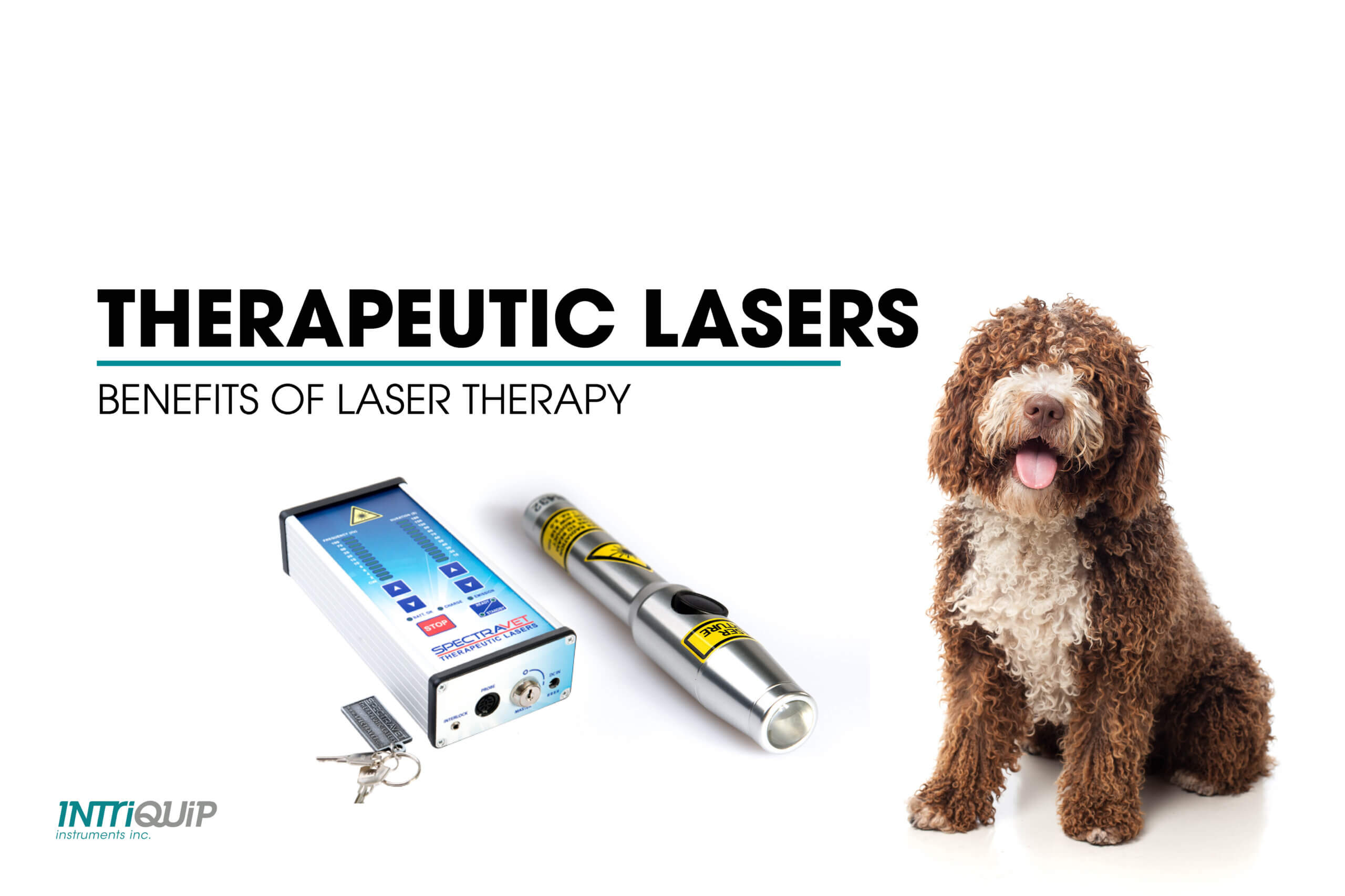
Safe, effective, and reliable laser therapy is a great addition to your practice, but what are the benefits?

Laser therapy can be used as an effective pain reliever.  It can speed up recovery from surgery, there is no sedation required and treatments are usually fast.  This allows pet owners to be present and part of the treatment plan.

Benefits of Veterinary Therapeutic Lasers:

  • Surgical wound healing
  • Traumatic wound healing
  • Increasing the metabolism of specific tissues
  • Reducing the formation of scar tissue
  • Immunoregulation
  • Improving nerve function and nerve regeneration
  • Releasing of painful trigger points
  • Speeding the healing of infections

Laser therapy provides a drug-free, surgery-free and non-invasive option for clients. Adding a therapeutic laser to your practice shows that you are continuing to grow your practice by adding new equipment. It offers a low cost alternative treatment for your clients who want an option to increase healing and reduce inflammation without breaking the bank.

Some of the common conditions therapeutic lasers can be used on are;
  • Osteoarthritis
  • Degenerative joint disease
  • Hip dysplasia
  • Lick granulomas
  • Post-operative healing
  • Acute trauma
  • Wounds
  • Tendon and ligament injuries
  • Dental & intraoral applications
  • Acupuncture

Comparing Bionet BMVet Series Veterinary Monitors

blog-header-bionet
Compare Bionet patient monitors. You may have noticed that there are a few options to choose from. This may bring you to the next question, what are the differences and which one suits me best?  Well, we put together a simple chart of the differences as well as what comes with each model and other options to choose from. If you would like further information or have questions, don’t hesitate to call us.
 Bionet BMVet Patient Monitor Comparison Chart.


FeatureBM3VETBM5VETBM7VET
Screen8.0″ Color TFT LCD (800×600 pixels)10.4″ Color TFT LCD (800×600 pixels)12.1″ Color TFT LCD (1024×768 pixels)
Trace4 Waveforms: ECG, Sp02, RR or EtC026 Waveforms: 2 ECG, Sp02, RR or EtC02, 2 IBP6 Waveforms: 2 ECG, Sp02, RR or EtC02 or Masimo Multigas, 2 IBP
Individual sweep speed setting for reach parameter
Display Modes  Multiple display modes for ease of viewing
NIBP
2 IBP (option) 
Temperature2 Temperatures2 Temperatures
ECG Parameters 7 Channel ECG (5 lead cable)7 Channel ECG (5 lead cable)
Dual Gas (option)
Anesthetic Gas/02 (option)
Arrhythmia Analysis3 Kinds13 Kinds13 Kinds
BT-LINK Pro and BT-LINK Mobile
USB memory storage
BatteryUp to 2 hrs Continuous OperationUp to 2 hrs Continuous OperationLi-ion Battery – Up to 2 hrs Continuous Operation/4 hrs using optional battery
OutputHDMIHDMIHDMI

The following applies to all BMVet monitors:

STANDARD ACCESSORIES
  • 3 lead vet ECG cable
  • NIBP extension hose (3m)
  • NIBP vet cuff neonate disposable #1-#5
  • NIBP vet cuff infant (reusable)
  • Sp02 extension cable (2m)
  • Esophageal ECG probe with temperature
  • Extension cable for esophageal probe
  • Transflectance Sp02 probe
  • Temperature probe (rectal/esophageal)
  • Reusable multisite Sp02 probe
  • DC adapter (18 VDC, 2.5A)
  • BT-Link Pro (automated record keeping software)
OPTIONAL ACCESSORIES
  • 5 lead vet ECG cable
  • Temperature probe (skin)
  • Mainstream EtC02 airway adapter kit
  • Sidestream EtC02 airway adapter kit
  • ECG alligator clip (Sea)
  • 3 lead ECG cable (snap type)
  • Dual gas accessories (water Trap, patient sample line/adapter, mount)
OPTIONAL MODULES
  • Mainstream EtC02 module (sensor)
  • Sidestream EtC02 module (sensor)
  • Dual Gas module (sensor)
  • Anesthetic gas/02 module (sensor)

What are the benefits of Phase Contrast?

phase contrast

What is Phase Contrast?

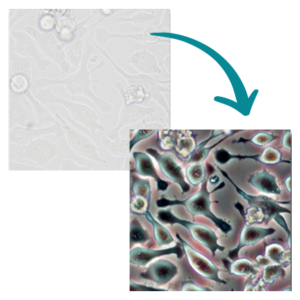
Phase-contrast microscopy is an optical microscopy technique that converts phase shifts in the light passing through a transparent specimen to brightness changes in the image. Phase contrast is when living cells (unstained) absorb virtually no light. Lack of light absorption results in extremely small differences in the intensity distribution in the image. The cells become barely visible in a brightfield microscope.

Applications in Microscopy

To produce high-contrast images of transparent specimens including:

  • living cells
  • microorganisms
  • thin tissue slices
  • patterns
  • fibers
  • sperm
  • glass fragments
  • subcellular particles

Benefits to phase contrast

  • makes a highly transparent object more visible
  • living cells can be observed in their natural state (without previous fixation or labeling)
  • no special preparation of staining is needed to study an object under a phase-contrast microscope, which in turn saves you time
  • examining components of living cells at relatively high resolution
  • phase-contrast optical components can be added to virtually any brightfield microscope
phase vs bright field contrast

What is Cryotherapy?

intriquip blog14 1024x683 1

What is Cryotherapy? What is Cryosurgery?

Cryotherapy (also known as Cryosurgery) is the application of extreme cold to destroy abnormal or diseased tissue. This non-invasive technique effectively treats skin conditions without the need for anesthesia or surgery. The process in non traumatic and less painful for your pet as well as more affordable for you. 

Benefits of cryotherapy

  • Minimal pain and discomfort
  • Non-invasive
  • Fast Recovery
  • Affordable
  • Safer than surgery, no complicated pre or post treatment care needed
  • Minimal surface trauma, no scarring

Veterinary Cryotherapy Applications

  • Canine and feline: warts, skin tags, tumors and more
  • Equine: skin tumors and eyelid tumors
  • Birds + Other Animals: Growths on the mouth, eyes and skin, tumors

How effective is cryosurgery?

Small warts and skin tumors may be cured in just one session. Other conditions like tumors may require follow up or multiple treatments. The procedure has a high success rate and is safe for animals of any age or health condition.

Tools needed: Cryosuccess Kit