Tag: digital radiography veterinary

Your 2026 Veterinary Equipment Plan: A Practical Guide for Canadian Clinics

featured image 1777734055

Planning your veterinary equipment for 2026 is more complex than ever for Canadian clinics. You need a clear path to match your clinic’s workflow with the right tools, all while staying within budget and meeting safety standards. This guide breaks down veterinary equipment planning into simple steps, so your team can focus on care, not confusion. Let’s explore how to set your clinic up for success with trusted support from Intriquip Instruments. [https://intriquip.com/choosing-veterinary-equipment-for-growth-reliability-and-better-patient-care-a-practical-guide-for-canadian-clinics/]

Strategic Equipment Planning
horizontal image of workplace with computer monito d27a9628492b7a426e8c

Strategic planning is key for any clinic aiming for efficiency and safety. This section guides you in making informed choices that align with your operational needs.

Needs Assessment for Clinics

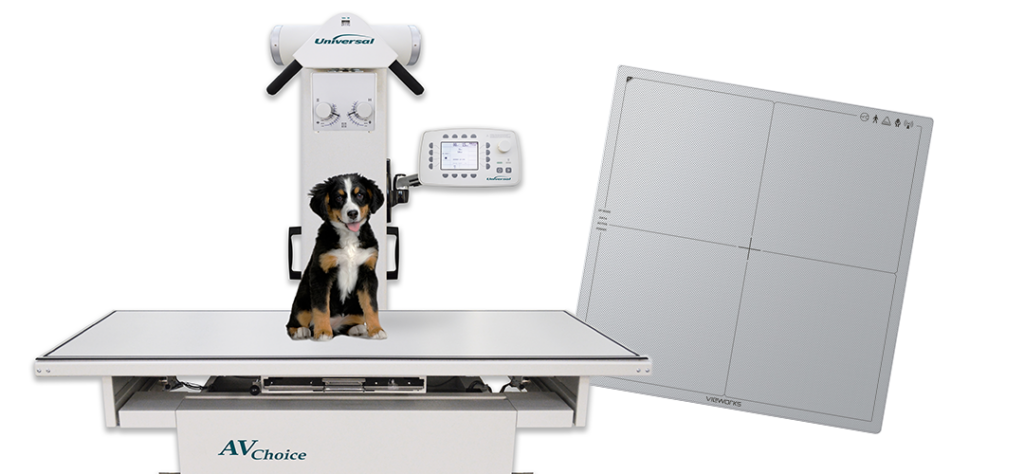
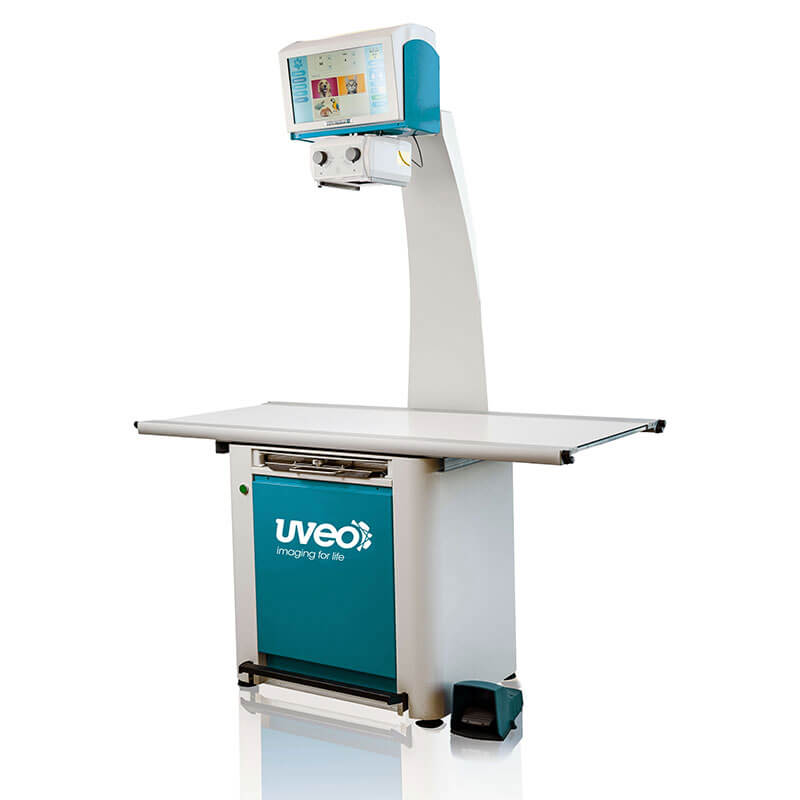
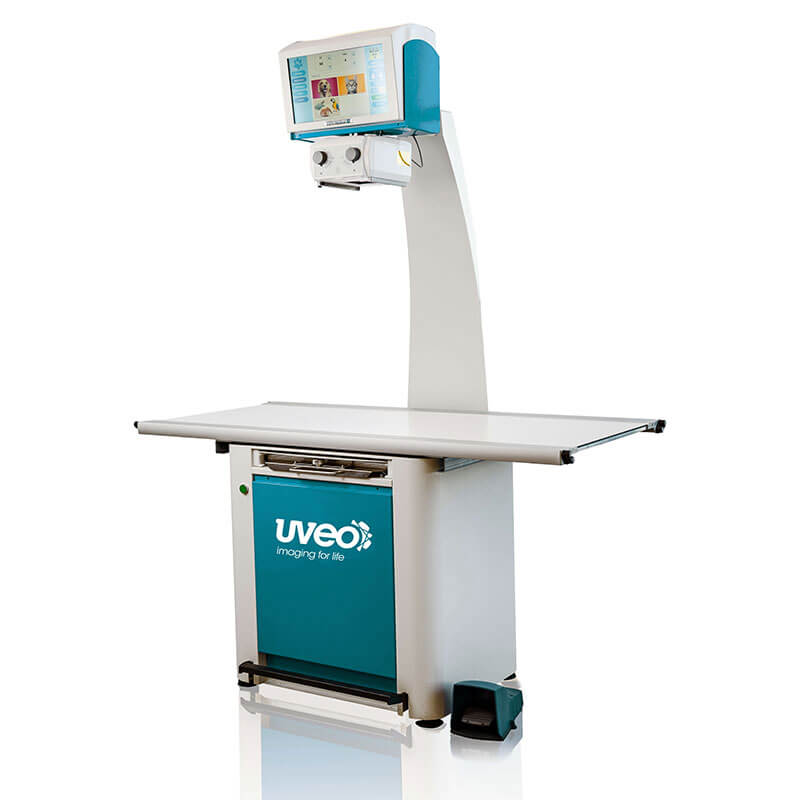
Understanding your clinic’s unique needs is the first step. Begin by listing essential equipment: consider current workflows and any equipment gaps. Do you have enough digital radiography systems, or is an upgrade necessary? Don’t overlook the importance of veterinary ultrasound systems in diagnostics. Involve your team to gather varied insights, ensuring a comprehensive view of needs.

Now, prioritize these needs based on urgency and impact on patient care. For instance, if your veterinary X-ray equipment frequently breaks down, replacing it could top the list. This method helps you focus resources efficiently, ensuring critical upgrades are addressed first.

Budgeting and Prioritization Tips

Money matters when planning, so let’s talk budgeting. Start by estimating costs for each piece of equipment on your list. Use historical data if available to predict future expenses. Remember, some items like anesthesia machines may require regular maintenance costs.

Next, set a budget ceiling. Divide this across urgent needs and future investments. Consider leasing options for high-cost items to ease upfront financial strain. This approach ensures you get necessary tools without breaking the bank.

Equipment Compliance and Safety

Compliance and safety are non-negotiable in veterinary practice. Ensure your equipment meets Canadian safety standards. Reference guides from reputable sources, like the Canadian Veterinary Association, for the latest compliance updates.

Regular checks and certifications keep your equipment safe and legally compliant. Establish a routine for safety audits. This not only protects your patients but builds trust with your clients, showing them you prioritize health and safety.

Ensuring Equipment Longevity
image 751a08dfaa99d55e1e89

Once you’ve invested in equipment, keeping it in top shape is crucial. Here’s how to extend the life of your tools, saving money and ensuring reliability.

Preventive Maintenance Practices

Preventive maintenance is your best friend for equipment longevity. Schedule regular check-ups for all major equipment like digital radiography systems. Simple tasks like cleaning, lubricating, and recalibrating can prevent costly repairs.

Create a maintenance calendar to track service dates and upcoming checks. Assign a team member to oversee this schedule, ensuring nothing slips through the cracks. This proactive approach minimizes downtime, keeping your clinic running smoothly.

Repair and Service Solutions

Even with preventive care, repairs are sometimes unavoidable. Have a plan in place for quick service. Partner with a trusted provider like Intriquip Instruments that offers repair services.

Keep a record of all repairs and service history. This data helps identify recurring issues, allowing you to address root causes rather than symptoms. Quick, reliable repairs mean less disruption to your clinic’s operations.

Training for Veterinary Teams

Training your team is crucial in maximizing equipment life. Ensure staff knows how to operate and maintain every tool properly. Regular training sessions can refresh skills and introduce new techniques.

Consider bringing in experts for specialized training on complex equipment like veterinary endoscopy. This investment in your team ensures they use equipment correctly, reducing wear and tear.

Financing and Design Considerations
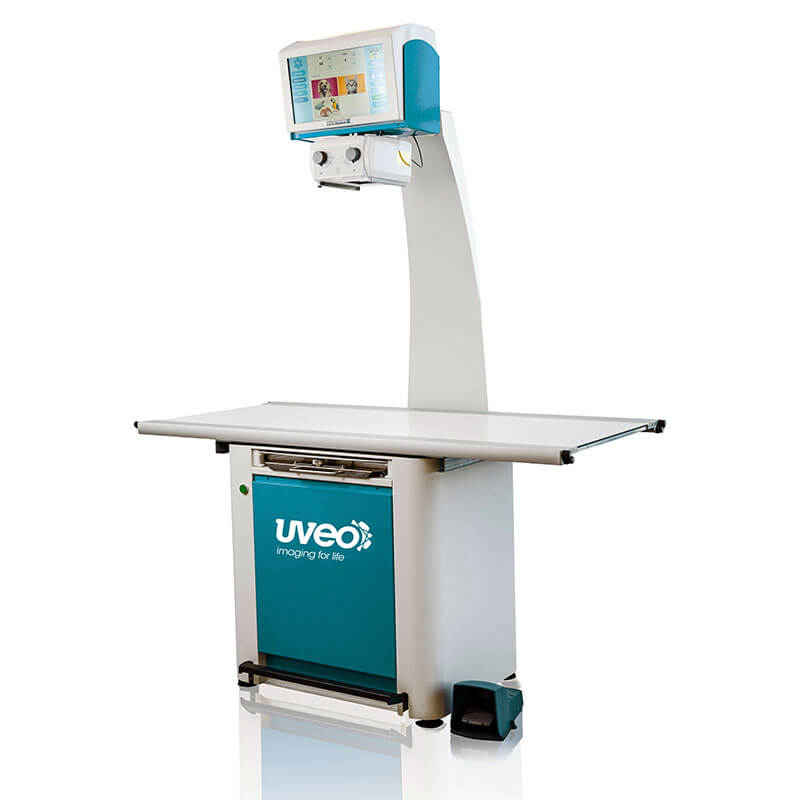
image d81ccb7f5335067be0ad

As you plan for the future, consider financing options and clinic design that support growth and efficiency.

Equipment Financing Options

Financing can make large purchases more manageable. Explore options like leasing, which allows you to upgrade equipment regularly without hefty upfront costs. Some suppliers offer flexible payment plans to fit your budget.

Weigh the benefits of owning versus leasing. Ownership may offer long-term savings, while leasing provides flexibility. Choose what aligns best with your financial strategy and clinic goals.

Custom Clinic Design and Setup

A well-designed clinic boosts workflow efficiency. Consider your layout: Are critical areas like surgery and examination rooms optimally placed? Partner with experts to design a layout that enhances patient care and staff efficiency.

Invest in versatile exam tables and lighting that adapt to different procedures. This adaptability ensures your clinic can handle various cases efficiently.

Planning for New Practice Launch

Starting a new practice? Comprehensive planning is essential. Begin with a clear equipment checklist, covering essentials like surgical tables.

Factor in growth potential: Choose equipment that can handle increasing patient loads. Work with trusted partners like Intriquip to navigate the complexities of setting up a new clinic, ensuring you start strong.

In conclusion, strategic planning, maintenance, and thoughtful investment are vital for your clinic’s success. By following these steps, you’re ensuring a bright future for your practice.
Choosing Veterinary Equipment for Growth, Reliability, and Better Patient Care: A Practical Guide for Canadian Clinics

featured image 1776610903

Choosing Veterinary Equipment for Growth, Reliability, and Better Patient Care: A Practical Guide for Canadian Clinics

Choosing veterinary equipment in Canada isn’t just about ticking boxes—it can shape how your clinic grows and cares for patients. When you pick the right tools, you protect uptime, manage costs, and support your team’s skills. This guide breaks down how to choose veterinary equipment that fits your clinic’s needs now and as you expand, making every investment count. Let’s explore the practical steps that will help your clinic thrive. Learn more.

Evaluating Equipment for Growth

image 934397c0f48fa0c80eac

Selecting the right equipment is crucial for your clinic’s growth and success. Let’s dive into how you can evaluate the best options for your needs.

Assessing Your Clinic’s Needs

Start by understanding what your clinic truly requires. Consider your current services and the ones you plan to introduce. For instance, if you’re adding new diagnostic services, you’ll need specific equipment like ultrasound systems. Ask yourself: What services do patients frequently require? Which equipment will enhance these services? Prioritize tools that align with your service offerings and patient needs.

A practical approach is to create a list of essential equipment. Include items like X-ray machines for diagnostics, surgical tables for procedures, and patient monitors for ongoing care. Tip: Use resources like this veterinary equipment guide to ensure nothing is overlooked.

Planning for Future Expansion

Growth is not just about current needs but also future possibilities. Consider where your clinic aims to be in the next five years. Will you offer more specialized services? If yes, plan to acquire equipment that supports these goals. Pro tip: Invest in scalable equipment that adapts to your expanding services.

For instance, choosing modular equipment systems allows for easy upgrades as your clinic grows. This flexibility ensures you are not locked into outdated technology, saving costs in the long run. Most clinics find that planning for expansion helps in making informed decisions today.

Balancing Cost and Quality

Balancing cost with quality is a key challenge in equipment selection. While it might be tempting to go for cheaper options, consider the long-term impact. Quality equipment might have a higher upfront cost but offers durability and better performance over time.

Evaluate the total cost of ownership (TCO), which includes maintenance and repair costs. Here’s the key insight: Investing in reliable equipment reduces downtime and repair expenses. By choosing quality, you’re ensuring that your clinic runs smoothly without costly interruptions.

Ensuring Reliability and Uptime

image 87921a0131e08be7a46c

Ensuring your equipment runs smoothly is vital for maintaining uptime. Let’s explore how you can achieve this.

Importance of Preventive Maintenance

Preventive maintenance is your first line of defense against equipment failure. Regular check-ups help identify potential issues before they become major problems. Did you know? Clinics that schedule regular maintenance experience up to 50% fewer unexpected breakdowns. This proactive approach saves you time and costly repairs.

Create a maintenance schedule for each piece of equipment. Include tasks like cleaning, calibration, and minor repairs. This routine not only extends the life of your equipment but also ensures it operates at peak efficiency.

Choosing Reliable Equipment Suppliers

Partnering with trusted suppliers is crucial. Look for suppliers with a track record of reliability and excellent customer service. A good supplier provides quick support and has a robust service network. Most people think all suppliers are the same, but choosing the right one can make a significant difference in your clinic’s operations.

Intriquip Instruments, for example, offers over 30 years of experience, ensuring you get dependable equipment and support. Having a reliable partner means you’re never alone in managing your equipment needs.

Managing Total Cost of Ownership

Understanding the total cost of ownership helps you budget effectively. TCO includes purchase price, maintenance, repairs, and operational costs. Here’s an important step: Compare TCO across different equipment options before making a decision. This comparison gives you a clearer picture of what you’ll spend over time.

Opt for energy-efficient equipment, which can lower operational costs significantly. By managing TCO, you ensure that your clinic remains financially healthy while providing top-tier care.

Enhancing Patient Care with Equipment

intriquip a277b66d5aedd23078c2

Improving patient care should be a top priority when choosing equipment. Let’s see how the right tools can make a difference.

Selecting Advanced Diagnostic Tools

Advanced diagnostic tools like digital radiography or ultrasound systems improve diagnostic accuracy. These tools help you identify issues faster, leading to quicker treatments. Example: A high-quality ultrasound machine allows for detailed imaging, aiding in precise diagnoses.

When choosing diagnostic equipment, consider its ease of use and compatibility with your current systems. This ensures seamless integration into your workflow, enhancing your team’s efficiency.

Improving Surgical and Exam Efficiency

Efficiency in surgery and exams translates to better patient outcomes. Invest in equipment like surgical tables and lighting that enhance visibility and precision. Did you know? Clinics with modern surgical setups report higher patient satisfaction scores.

Ensure your exam rooms are equipped with tools that streamline processes. Efficient setups reduce procedure times, allowing you to see more patients and provide timely care.

Training and Support for Clinic Staff

Equipment is only as good as the people using it. Providing your staff with comprehensive training ensures they use the tools effectively. Well-trained staff can operate equipment confidently, improving patient care and safety.

Consider enrolling your team in training programs offered by your equipment supplier. These programs cover everything from basic operation to advanced troubleshooting. With the right training, your staff becomes an asset to your clinic, maximizing the equipment’s potential.

In conclusion, choosing the right veterinary equipment in Canada is essential for clinic growth, reliability, and patient outcomes. By evaluating your needs, ensuring reliability, and focusing on patient care, you position your clinic for long-term success. Remember, the right equipment is an investment in your clinic’s future.