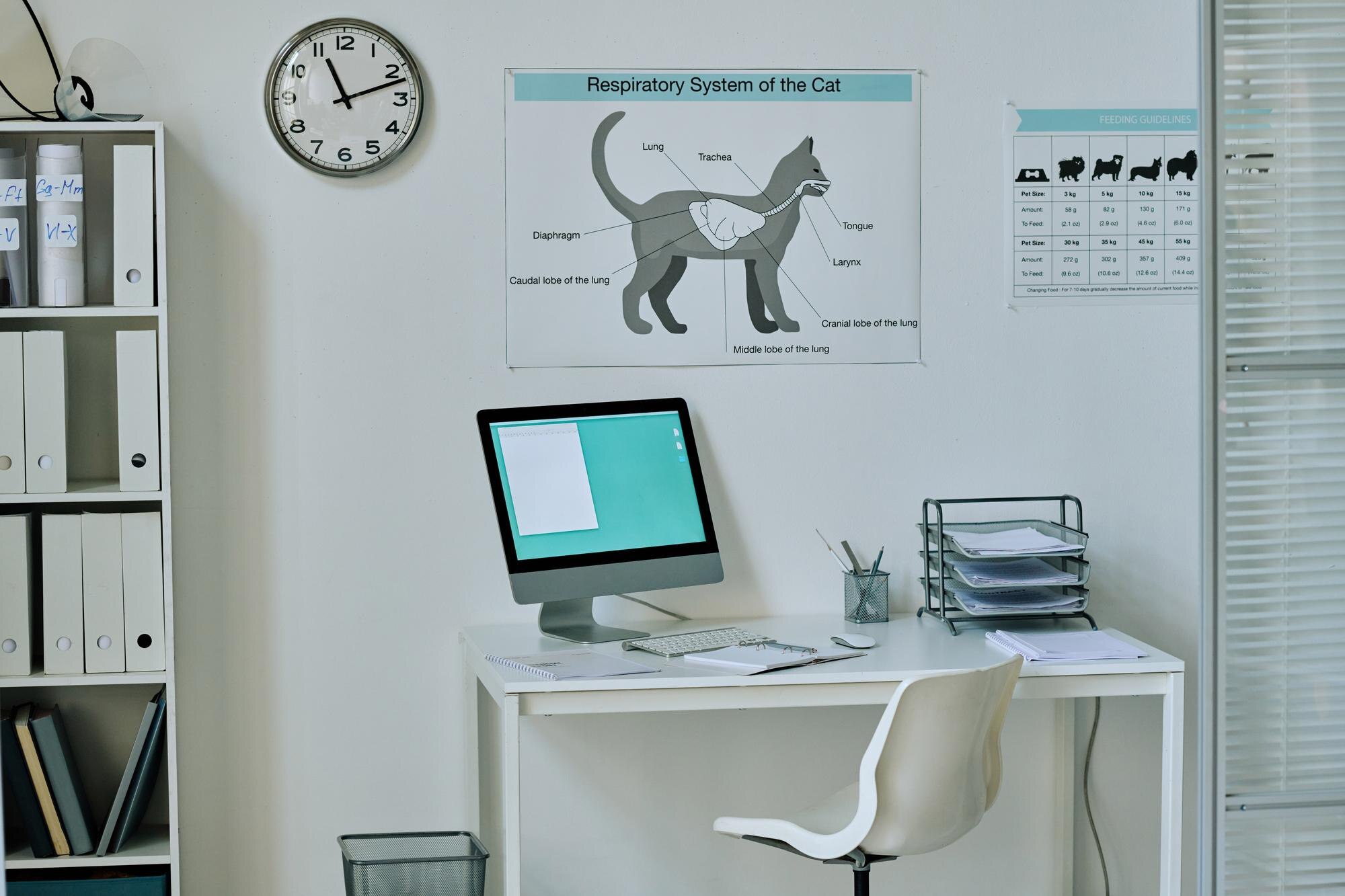
Planning your veterinary equipment for 2026 is more complex than ever for Canadian clinics. You need a clear path to match your clinic’s workflow with the right tools, all while staying within budget and meeting safety standards. This guide breaks down veterinary equipment planning into simple steps, so your team can focus on care, not confusion. Let’s explore how to set your clinic up for success with trusted support from Intriquip Instruments. [https://intriquip.com/choosing-veterinary-equipment-for-growth-reliability-and-better-patient-care-a-practical-guide-for-canadian-clinics/]
Strategic Equipment Planning
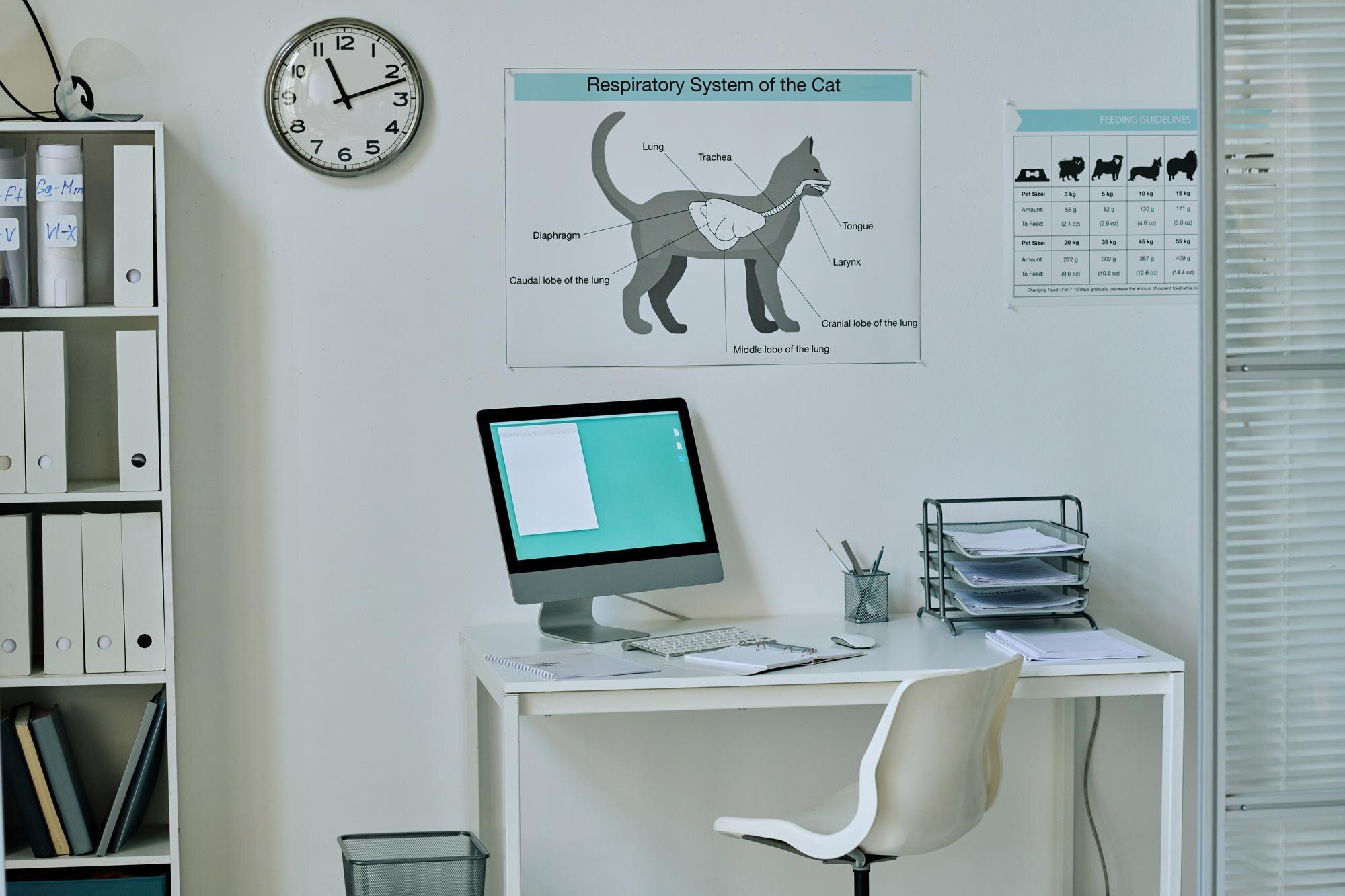
Strategic planning is key for any clinic aiming for efficiency and safety. This section guides you in making informed choices that align with your operational needs.
Needs Assessment for Clinics
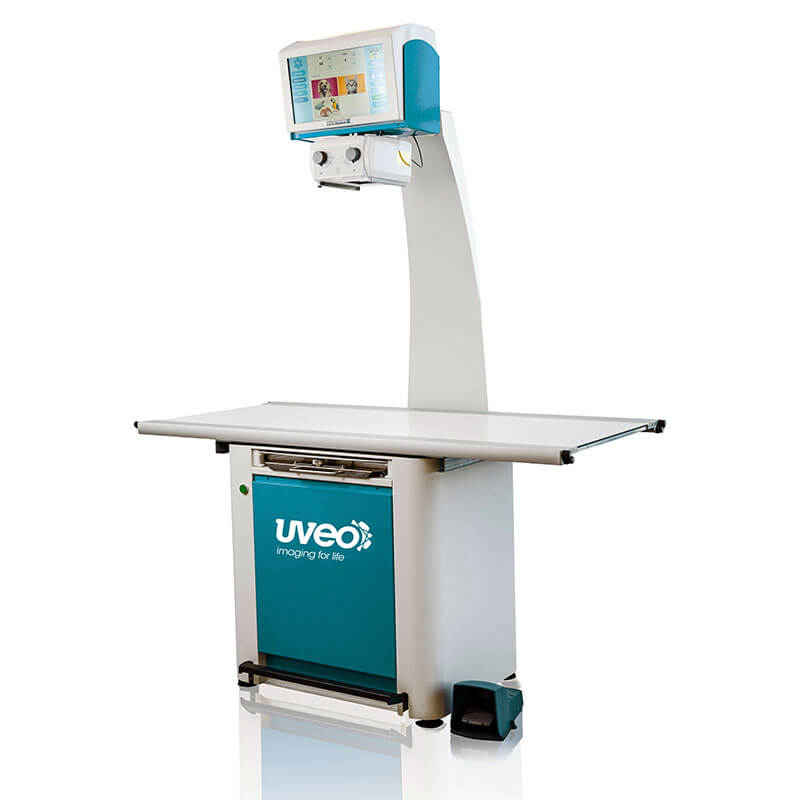
Understanding your clinic’s unique needs is the first step. Begin by listing essential equipment: consider current workflows and any equipment gaps. Do you have enough digital radiography systems, or is an upgrade necessary? Don’t overlook the importance of veterinary ultrasound systems in diagnostics. Involve your team to gather varied insights, ensuring a comprehensive view of needs.
Now, prioritize these needs based on urgency and impact on patient care. For instance, if your veterinary X-ray equipment frequently breaks down, replacing it could top the list. This method helps you focus resources efficiently, ensuring critical upgrades are addressed first.
Budgeting and Prioritization Tips
Money matters when planning, so let’s talk budgeting. Start by estimating costs for each piece of equipment on your list. Use historical data if available to predict future expenses. Remember, some items like anesthesia machines may require regular maintenance costs.
Next, set a budget ceiling. Divide this across urgent needs and future investments. Consider leasing options for high-cost items to ease upfront financial strain. This approach ensures you get necessary tools without breaking the bank.
Equipment Compliance and Safety
Compliance and safety are non-negotiable in veterinary practice. Ensure your equipment meets Canadian safety standards. Reference guides from reputable sources, like the Canadian Veterinary Association, for the latest compliance updates.
Regular checks and certifications keep your equipment safe and legally compliant. Establish a routine for safety audits. This not only protects your patients but builds trust with your clients, showing them you prioritize health and safety.
Ensuring Equipment Longevity
Once you’ve invested in equipment, keeping it in top shape is crucial. Here’s how to extend the life of your tools, saving money and ensuring reliability.
Preventive Maintenance Practices
Preventive maintenance is your best friend for equipment longevity. Schedule regular check-ups for all major equipment like digital radiography systems. Simple tasks like cleaning, lubricating, and recalibrating can prevent costly repairs.
Create a maintenance calendar to track service dates and upcoming checks. Assign a team member to oversee this schedule, ensuring nothing slips through the cracks. This proactive approach minimizes downtime, keeping your clinic running smoothly.
Repair and Service Solutions
Even with preventive care, repairs are sometimes unavoidable. Have a plan in place for quick service. Partner with a trusted provider like Intriquip Instruments that offers repair services.
Keep a record of all repairs and service history. This data helps identify recurring issues, allowing you to address root causes rather than symptoms. Quick, reliable repairs mean less disruption to your clinic’s operations.
Training for Veterinary Teams
Training your team is crucial in maximizing equipment life. Ensure staff knows how to operate and maintain every tool properly. Regular training sessions can refresh skills and introduce new techniques.
Consider bringing in experts for specialized training on complex equipment like veterinary endoscopy. This investment in your team ensures they use equipment correctly, reducing wear and tear.
Financing and Design Considerations
As you plan for the future, consider financing options and clinic design that support growth and efficiency.
Equipment Financing Options
Financing can make large purchases more manageable. Explore options like leasing, which allows you to upgrade equipment regularly without hefty upfront costs. Some suppliers offer flexible payment plans to fit your budget.
Weigh the benefits of owning versus leasing. Ownership may offer long-term savings, while leasing provides flexibility. Choose what aligns best with your financial strategy and clinic goals.
Custom Clinic Design and Setup
A well-designed clinic boosts workflow efficiency. Consider your layout: Are critical areas like surgery and examination rooms optimally placed? Partner with experts to design a layout that enhances patient care and staff efficiency.
Invest in versatile exam tables and lighting that adapt to different procedures. This adaptability ensures your clinic can handle various cases efficiently.
Planning for New Practice Launch
Starting a new practice? Comprehensive planning is essential. Begin with a clear equipment checklist, covering essentials like surgical tables.
Factor in growth potential: Choose equipment that can handle increasing patient loads. Work with trusted partners like Intriquip to navigate the complexities of setting up a new clinic, ensuring you start strong.
In conclusion, strategic planning, maintenance, and thoughtful investment are vital for your clinic’s success. By following these steps, you’re ensuring a bright future for your practice.