Day: 29 August 2025

Top 5 Veterinary Endoscopes for Diagnostics and Treatment

20180420 horse

Veterinary medicine has entered a new era, where state-of-the-art tools are redefining how animals are diagnosed and treated. Among these breakthroughs, endoscopy stands out as a game-changer, providing a minimally invasive method for detecting and addressing a range of conditions with precision and care. Whether identifying gastrointestinal issues, retrieving foreign objects, or inspecting the respiratory tract, endoscopes are empowering veterinarians to provide faster diagnoses and more efficient treatments. This blog post explores the top veterinary endoscopes revolutionizing animal healthcare today, highlighting how these advanced instruments are improving both animal outcomes and the confidence of their caregivers. Let’s explore the tools that are shaping the future of veterinary diagnostics and treatment.

Best 5 Veterinary Endoscopes for Diagnostics and Treatment 

Here are the best five veterinary endoscopes for diagnostics and treatment chosen by industry experts:

VET-FHD35 Veterinary Video Endoscope:

The VET-FHD35 is a powerful endoscope made for diagnosing large animals, especially horses and cows. It has a working length of 3,500 mm and an insertion tube diameter of 12.8 mm, enabling deep visualization of the body, particularly in the gastrointestinal and respiratory tracts. It features a broad 145° field of vision and can capture full high-definition pictures, allowing you to see things clearly and in detail. The tip’s 210° angle makes it easier to navigate through tight or curved anatomical structures. This scope is excellent for advanced practices that want accuracy, clarity, and reach in caring for large animals.
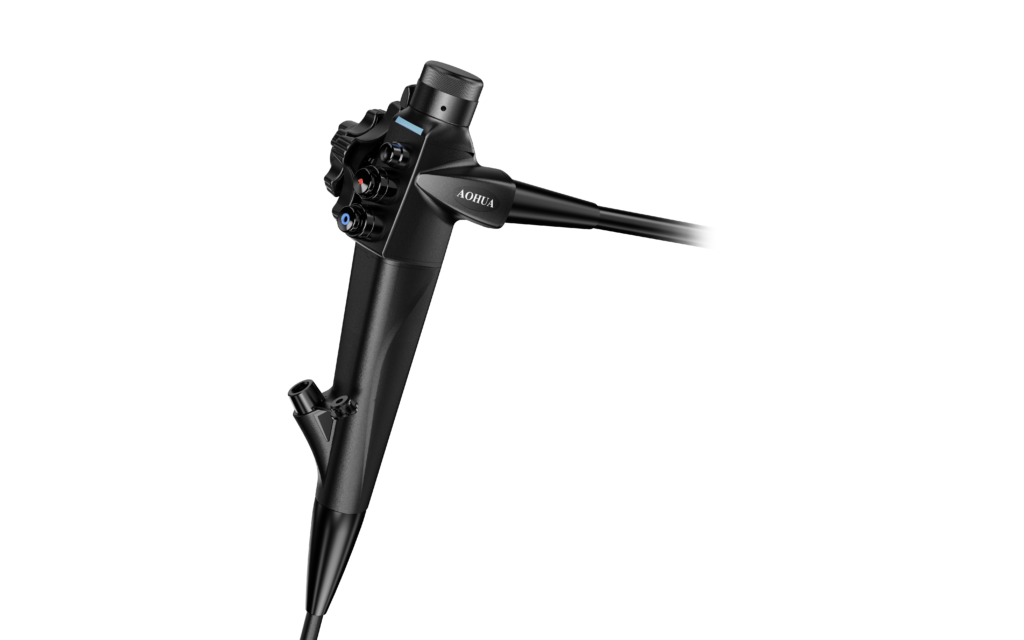
VET-FHD35 Veterinary Video Endoscope

VET-6028R Veterinary 6mm Video Endoscope:

The VET-6028R is the best endoscope for small animal veterinary clinics. With an outside diameter of 6 mm and an instrument channel of 2.8 mm, it can be used for various procedures, including bronchoscopy, otoscopy, and rhinoscopy. Its tip is quite flexible, which makes it easy to navigate inside and get precise diagnoses. High-quality image resolution makes things easier to see, which helps doctors make quick and informed decisions. The VET-6028R is small yet strong, offering a superb blend of ease of use and performance. It works exceptionally well for dogs and cats, providing reliable outcomes for routine treatments without the need for larger, more sophisticated endoscopes.
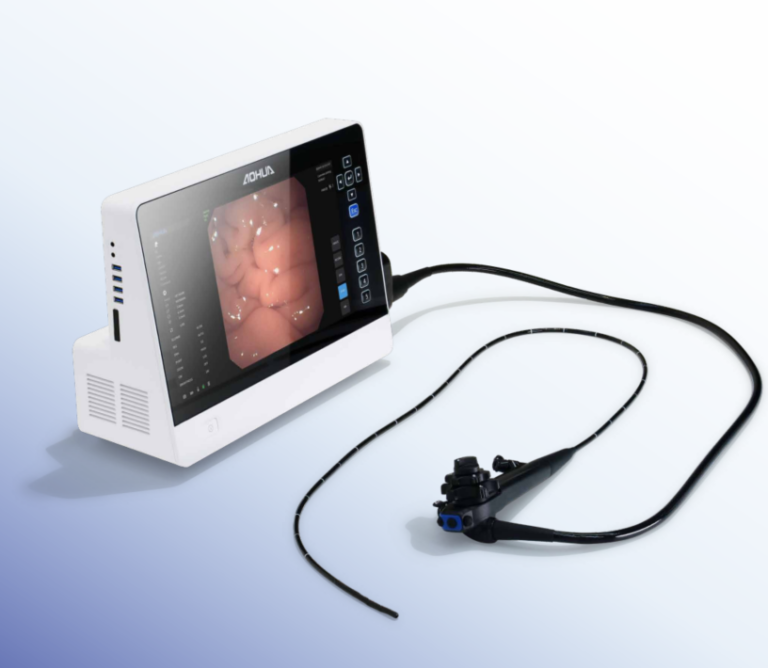
Aohua Veterinary VET 6028R Video Endoscope 768x668 1

VET-2812R Ultra-Compact Flexible Veterinary Endoscope:

The VET-2812R is specifically designed for small, exotic, and bird species, and it works well for delicate treatments. It features a small insertion diameter of 2.8 mm and a long working length of 1,000 mm, making it ideal for navigating through tight anatomical channels. The 1.2 mm instrument channel enables the use of biopsy and flushing tools, making it suitable for precise diagnostic work. Its lightweight, very flexible shape makes it easy to handle and keeps patients comfortable. Exotic animal specialists appreciate this scope because it allows them to approach animals in a safe and non-invasive manner, requiring minimal effort. The VET-2812R can capture great pictures of even the most intricate body parts, from reptiles to birds to small pets.

VET 2812R Ultra Compact Flexible Veterinary Endoscope 768x512 1

MVE 6010:

The MVE-6010 mobile endoscope is a complete diagnostic unit that is portable and easy to use. It features a built-in screen, operates on batteries, and can record video, making it ideal for mobile vets or clinics with limited space. The compact system reduces setup time and eliminates the need for separate processors or monitors. It features a wide range of motion (180° up and 160° down) and includes all the necessary instruments, such as biopsy forceps and cleaning tools. The MVE-6010 enhances workflow efficiency and delivers dependable imaging for a wide range of species and operations, whether used in the field, during emergencies, or in a multi-room clinic.
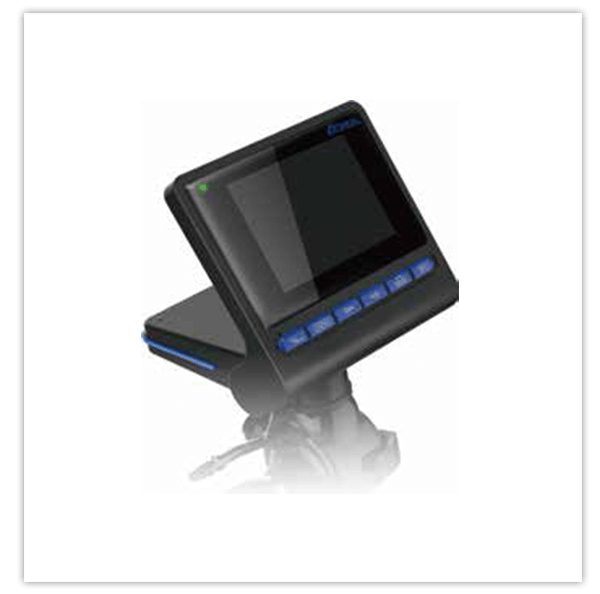
portable endoscopes

VET-OR1335:

The VET-OR1335, part of the OR1200 Series, is designed for sophisticated diagnostics in large animals. With a 13 mm insertion diameter and a working length of 3,500 mm, it gives you deep access to the anatomy of horses and cows. This substantial scope is ideal for examining the respiratory and gastrointestinal systems. It features a wide instrument channel that can accommodate larger biopsy tools or suction equipment. It was designed for high-definition imaging and provides excellent definition, even in hard-to-reach areas. The VET-OR1335 is the ideal solution for large animal experts who require depth, longevity, and precise diagnosis in a busy clinical setting.

veterinary endoscopes 6010

Invest in Veterinary Equipment that Lasts- Buy at Intriquip Instruments Inc

In terms of innovation and quality, these endoscopes are spearheading the fast-paced evolution of veterinary endoscopy with their top-notch features. Whether you’re a vet trying to improve your practice or a scientist working in animal health in search of dependable diagnostic equipment, these endoscopes have what you need. 

To assist your clinic in carrying out precise, minimally invasive procedures, Intriquip provides a range of high-quality veterinary endoscopes, including those mentioned above. We’re dedicated to providing cutting-edge tools that enhance diagnosis and improve patient care. We offer a dependable collection of endoscopes at affordable prices, allowing you to select the perfect one for your clinic. For additional information and comprehensive reviews of cutting-edge veterinary technologies, please visit our blog regularly for the latest updates and news.

Frequently Asked Questions:

Why is an endoscope used in veterinary clinics?

Endoscopy enables the visualization of internal organs and tissues, including those of the digestive tract, urinary system, lungs, nose, and intestines. Animals with gastrointestinal issues, tumors, infections, or foreign bodies lodged in their bodies can be more accurately diagnosed with the help of veterinarians.

Can anyone offer an endoscopy?

Clients are demanding a higher standard of care for their pets and are even seeking less invasive procedures as veterinary science advances with technology. An alternative to invasive surgical procedures, endoscopy can detect and properly treat a wide range of medical issues. Mastering endoscopy requires extensive training, which is why not everyone can perform it effectively. Ensure you only take your pets to professionals who are experts in endoscopy procedures.

What are the two types of endoscopes?

The flexible endoscope’s tube is bendable, allowing it to follow the body’s natural curves. Due to its pliability, it can easily conform to the body’s shape, making it easier to access previously inaccessible areas.

A rigid endoscope, in contrast, has a solid tube construction that is neither bendable nor foldable. When more stability or precision is needed during an operation, it is usually utilized.

Digital vs. Analog X-Ray for Vets: Pros and Cons

medici dr system reontgen nachruest set

In veterinary medicine, having the right X-ray system can make all the difference in diagnosing and treating animal patients quickly and precisely. As technology advances, veterinarians face a critical choice between traditional analog X-rays and the latest digital systems, each presenting distinct advantages and disadvantages. Understanding these differences isn’t just a matter of preference; it directly influences workflow efficiency, image clarity, and the standard of care you deliver at your clinic. Curious about which system aligns best with your practice’s needs? Let’s compare digital and analog X-ray technologies to equip you with the insights important for an informed decision.

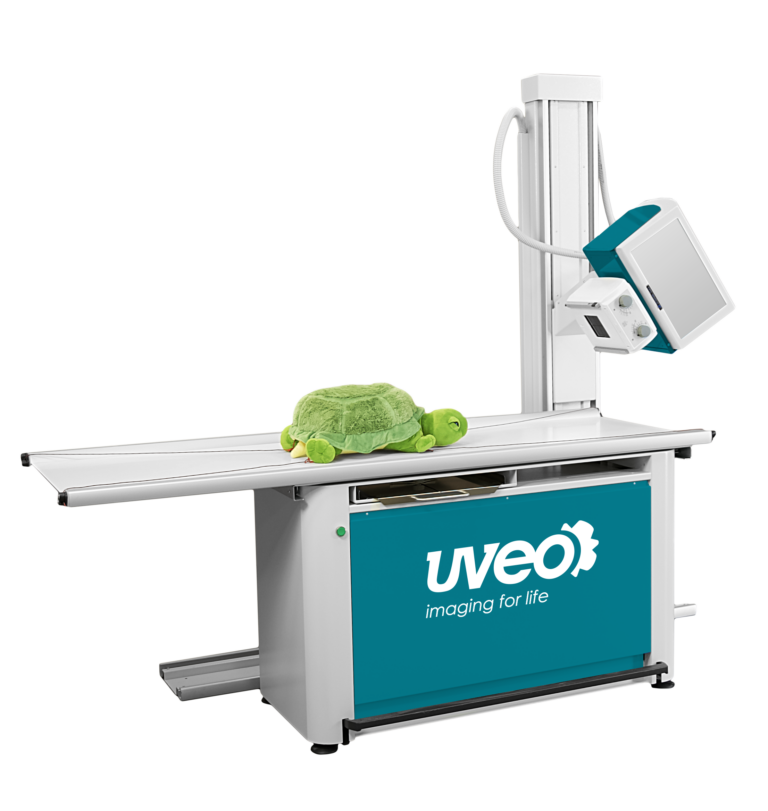
UVEO HF 400 Complete Plus Digital Radiography Solution 1

Digital vs. Analog X-Ray for Vets: A Comprehensive Guide

To diagnose a pet’s health problem, professionals utilize a range of newly developed devices and technologies. Checking for internal issues in our pets often requires the use of diagnostic imaging techniques, one of which is X-ray imaging. As a bonus to its adaptability, X-rays provide a straightforward and painless way to identify internal medical issues. However, it comes in two basic types, analog and digital, each with its pros and cons.

Digital X-Rays:

Digital X-rays are one recent advancement in radiography that distinguishes itself from the outdated analog technique.  Instead of using film to capture images, it uses digital sensors.  These sensors instantly convert X-ray energy into a digital form when they come into contact with it.  This instantaneity speeds up the review process because there is no need to wait for the film to develop.

Pros:

Better image quality:

Digital radiography outperforms older methods of X-ray film imaging in terms of picture quality and resolution. Bones, joints, soft tissues, and organs can be more clearly seen with the use of image-processing techniques. A minor fracture, early arthritis, tumor, or foreign object may go undetected without this level of detail. To create more precise treatment plans, veterinarians can adjust contrast, lighting, and zoom characteristics in real-time.

Lesser radiation exposure:

The use of a different kind of detector in digital radiography results in lower radiation levels compared to traditional X-ray devices. Traditional X-ray equipment uses a larger radiation dose to capture the image on film, which results in a less clear image. On the other hand, digital radiography can produce a clear picture with less radiation, as it employs a digital detector that is more sensitive to X-rays.

Better and prompt care:

Digital X-ray images can be accessed immediately after they are captured. In turn, this speeds up the process of diagnosing the pet’s condition and provides them with the necessary care. The instantaneous display of images also enables healthcare teams to make quicker judgments, which is particularly useful in emergencies. In addition to allowing for faster treatments, the decreased amount of time animals spend under sedation or restraint reduces stress for both humans and their pets, as well as for the pets’ owners.

Cons:

Costly:

Digital X-ray systems require a substantial investment of money. Since these are advanced tools with top-notch features, the price tag is usually relatively high. Furthermore, the maintenance costs associated with handling, repairs, and replacements are also very high, resulting in a significant overall expense.

Technical difficulty:

Digital X-rays require specialized training related to the software and equipment, making them technically difficult to operate. This means you cannot simply use the machine; instead, you may need to dedicate some time to learning about its operation and then utilize it to benefit your patients.

Analog X-Rays:

The traditional X-ray veterinary equipment, known as an analog system, is an older technology that produces pictures similar to photographs. A photographic film records the images created when the machine uses a specific device to direct X-rays at the animal. After taking these pictures, the vet can determine what’s wrong with the animal and develop a treatment plan.

Pros:

Low upfront cost:

Smaller establishments or those with budget constraints may find analog systems appealing because they are less expensive to purchase upfront compared to digital systems. New clinics can save money and allocate it to other resources with a lower upfront cost, while still offering imaging services.

Easy to maintain:

When it comes to mechanical parts, analog systems tend to be simpler, making them more accessible for repair and maintenance, particularly in areas where professional personnel or resources are scarce. This means you may not require special training to use analog systems because of their user-friendly interface.

Cons:

Time-taking:

There is no way to alter a radiograph image once it has been made, processed, and displayed. You will have to retake the X-ray because it is impossible to correct the image flaw, resulting in a loss of time. The radiologist and the animal are both put at greater risk of developing various health problems due to the increased likelihood of overexposure to X-rays.

Incomplete Information:

Traditional X-ray equipment only gives partial images and can cause image blurring due to its reliance on a single X-ray source and image receptor. The field of view of most traditional X-ray devices is limited, making it challenging to visualize specific anatomical details. This is because each shot can only capture a single image, leading to repeated captures of the same subject until the entire region is covered. As a result, critical anatomical details are often overlooked, which can put the pet’s health in danger due to incorrect diagnoses or unnecessary treatments.

Use of chemicals:

Chemicals are one of the many drawbacks of traditional X-ray equipment. Chemical X-rays are carcinogenic and destructive to animal tissues. Additionally, specialized training is required to operate them, and they’re expensive. 

Discover the Best X-Ray Solutions in Canada- Buy at Intriquip Instruments Inc.

As a result of technological advancements, veterinarians now have a wider range of diagnostic imaging options at their disposal. While traditional X-rays are still helpful and widely used, digital radiography is quickly becoming the preferred method of imaging pets for veterinarians. The use of digital X-ray veterinary equipment is helpful since it produces resizable, clear, and detailed images. Because of this, the veterinarian can determine the root of the problem and treat the animal accordingly.

However, regardless of the type of X-ray you choose, it is crucial to buy from a reputable seller. Offering a comprehensive range of systems, including portable units and modern Uveo digital radiography solutions, Intriquip is the leading Canadian provider of veterinary X-ray equipment. To ensure accuracy and safety in every process, we provide customized solutions for practices handling small, mixed, or large animals. These solutions include training, professional support, and personal protective equipment (PPE). To learn more about our equipment, please contact us today.

mixed animal x-ray uveo 3500

Frequently Asked Questions:

How does a digital X-ray machine work?

A veterinary X-ray machine utilizes radiation to produce images of an animal’s internal structures. A detector records the photo that the machine’s X-rays create as they go through the body. If you have veterinary X-ray equipment, you can obtain high-resolution images quickly, which aids in diagnosis and treatment planning.

How do I choose a suitable X-ray machine?

The needs and size of your veterinary office will dictate the best X-ray equipment to purchase. For customized guidance, please contact Intriquip. We provide consultations to help you select the most suitable veterinary X-rays for the diagnostic imaging needs of the animals you care for. Whenever you need guidance or assistance with your pick, our team is here to help.

Is digital X-ray safer?

Yes. Patients are exposed to far less radiation when digital X-rays are used. There will be less need for retakes because they are also speedier, making them safer compared to analog ones.

Digital X-Ray Systems: Ultimate Vet Guide

AdobeStock 596617003 1 2048x1152 1

Digital X-ray systems now give clinics sharper images, faster results, and more reliable diagnoses compared to traditional methods. For veterinarians, this means clearer insights and better care for every patient. But with so many models and features available, how to choose the right system? This guide explains everything relating to choosing the right system.

Here, you’ll learn the key advantages of digital X-rays, what features truly matter, and how to align your investment with the needs of your practice. 

UVEO HF 400 Complete Plus Digital Radiography Solution 1

What is Digital X-Ray Technology

The fundamental difference between analog and digital is the method of image capture. Analog systems use film that requires chemical processing in a darkroom. Digital systems use a digital sensor that converts X-ray energy directly into a viewable image on a computer monitor in seconds, eliminating chemicals and darkrooms.

Types of Digital Radiography Systems

There are two primary types of digital systems: Computed Radiography (CR) and Direct Radiography (DR).

Computed Radiography (CR): CR systems use a cassette with a reusable imaging plate. After exposure, the cassette is placed in a separate reader that scans the plate and creates a digital image.

  • Pros: Lower initial cost, can use an existing X-ray generator.
  • Cons: Slower, multi-step process; lower image quality than DR.

Direct Radiography (DR): DR systems use a flat panel detector that captures the image and sends it instantly to a computer.

  • Pros: Instant imaging, superior image quality, faster workflow.
  • Cons: Higher initial cost.


Feature Computed Radiography (CR) Direct Radiography (DR)
Workflow Cassette-based, multi-step process Direct capture, instant display
Speed Takes minutes per image Takes seconds per image
Image Quality Good Excellent
Initial Cost Lower Higher
Equipment Cassettes and a separate reader Flat panel detector
Flexibility More portable with cassettes Less portable (fixed table)


The Tangible Benefits for Veterinary Practices

Here are a few benefits for veterinary practices

Enhancing Patient Care and Diagnosis

The most critical benefit of digital radiography is its impact on patient care. The superior image clarity and resolution of digital systems enable more accurate and confident diagnoses. With digital images, veterinarians can utilize post-processing tools to adjust brightness, contrast, and magnification, thereby highlighting subtle details that may be overlooked on film.

Furthermore, the speed of digital imaging reduces the time a patient must be under anesthesia or physically restrained, lowering stress and the risk of complications. 

Since you see the image immediately, you can confirm proper positioning and exposure on the first attempt, eliminating the need for costly and stressful repeat procedures.

Improving Practice Efficiency and Workflow

The transition to digital radiography fundamentally transforms your practice’s workflow. The time saved is substantial. Images are automatically saved to a digital archive, a PACS (Picture Archiving and Communication System), where they can be instantly retrieved from any computer within the practice.

This streamlined workflow extends beyond your clinic. Digital images can be easily shared with specialists for a second opinion or sent to clients via email or a secure portal, fostering better communication and client education.

The Economic and Operational Advantages

While the initial cost of a digital system is an investment, the long-term economic benefits are significant. You will eliminate the recurring costs of film, processing chemicals, and darkroom maintenance. 

Additionally, the improved efficiency allows for higher patient throughput, increasing your practice’s revenue potential. The value of a comprehensive digital archive for historical data and ease of record retrieval is also a substantial operational advantage.

Key Considerations Before Implementing a System

Here are a few things you need before implementing:

Assessing Your Practice’s Needs

Before you begin shopping for a system, a thorough self-assessment is crucial. Consider your current patient volume and case mix. A high-volume small animal practice may benefit most from the speed of a DR system, while a low-volume or mobile practice might find a CR system to be a more practical and cost-effective entry point into digital. 

It’s also important to consider your future growth projections and whether the system you choose can scale with your practice.

Evaluating System Specifications

Not all digital systems are created equal. When evaluating options, pay close attention to technical specifications. Image quality metrics such as spatial resolution and dynamic range are key indicators of a system’s diagnostic capability. 

Ask vendors about the panel material—Cesium Iodide (CSI) panels generally provide higher image quality and lower radiation dose than Gadolinium Oxysulfide (GOS) panels.

Also, consider the accompanying software. Does it integrate seamlessly with your existing practice management system? Is it user-friendly? What features does it offer for image manipulation and storage?

Installation, Training, and Support

The best hardware is only as good as the support behind it. A smooth transition requires a vendor that provides comprehensive installation, hands-on training, and reliable technical support. 

Ask for references from other veterinarians who have purchased the system and inquire about their experience with the post-sale support. 

A good support contract can be the difference between a minor hiccup and a major operational disruption.

Making the Transition to a Digital System

A successful transition to a digital system requires a thoughtful, step-by-step approach.

  • Form a Transition Team: Designate a project leader and a small team to research systems, manage the budget, and oversee the installation.
  • Conduct Thorough Research: Request demos from multiple vendors. Ask detailed questions about features, warranties, and support.
  • Establish a Clear Budget: Understand not only the upfront cost but also the long-term costs of maintenance, software updates, and potential repairs.
  • Develop a Training Plan: Work with your vendor to create a training schedule that minimizes disruption. Ensure every staff member who will use the system is fully comfortable with it before the transition is complete.
  • Communicate with Your Clients: Inform your clients about the new technology and its benefits for their pets’ care. This can be a powerful marketing tool.

Conclusion

The shift to digital radiography is a significant milestone for any veterinary practice. It offers a clear path to improved diagnostic accuracy, enhanced practice efficiency, and substantial long-term cost savings. 

Understand the core differences between CR and DR systems, and carefully consider your practice’s unique needs. Then you can select a system that is an upgrade and a crucial investment in the future of veterinary medicine. 

HF 400 Elite Intriquip 1 768x811 1

FAQs

How much do digital X-ray systems for veterinary clinics cost?

The cost of a digital X-ray system varies significantly. CR systems typically range from $25,000 to $60,000, while DR systems can range from $50,000 to over $100,000. These prices depend on the brand, panel size, and the features included.

What is the difference between CR and DR systems?

The primary difference lies in the workflow and speed. CR uses a cassette that requires a separate reader to scan, while DR uses a flat-panel detector that captures and displays the image on a monitor instantly. DR is faster and provides higher image quality.

Are digital X-rays safe for animals?

Yes, digital X-rays are a safe and effective option. Digital systems often require a lower radiation dose to produce a high-quality image compared to traditional film, which reduces radiation exposure for both the animal and the technician.

How long does it take for a staff member to be fully trained on a new digital system?

The learning curve for a digital system is generally short. With proper vendor training, most staff members can become proficient within a few days to a week. The intuitive nature of the software makes it much easier to learn than traditional analog processes.

Can digital X-rays be shared with other clinics or specialists?

Yes, this is one of the major benefits. Digital images are stored in a universal format (DICOM) and can be easily shared electronically with other clinics, specialists, or clients via email, secure web portals, or a PACS.


Top 5 Cutting-Edge Features in Today’s Vet X-Ray Machines

The world of veterinary care is advancing at a faster pace than ever, and one area leading this charge is X-ray technology. Today’s veterinary X-ray machines are more than just diagnostic tools—they’re game-changers in providing precise, efficient, and compassionate care for our pets. From sharper imaging to faster processing, these advanced features are helping veterinarians diagnose and treat conditions with unprecedented accuracy. Whether you’re a veterinary professional striving to stay ahead of the curve or a pet owner keen to understand the latest in animal healthcare, knowing about these cutting-edge advancements is essential. In this post, we’ll explore five remarkable features transforming vet X-ray machines—and pet care as we know it.

mixed animal x-ray uveo 3500

Cutting-Edge Features in Today’s Vet X-Ray Machines: 2025 Analysis

Digital Radiography (DR):

No more waiting for film to develop or spending minutes at a time with image plates. Digital Radiography (DR) has revolutionised the way veterinarians take pictures by providing high-quality images immediately.  With DR systems, X-rays are transmitted to a workstation in real-time from a flat-panel detector. This means that your team can work more efficiently, patients will be less stressed, and diagnoses will be faster. Additionally, DR doesn’t require chemicals or film processing, which makes it more environmentally friendly and cost-effective in the long run.

High-Quality Imaging:

In veterinary care, every little detail counts. Today’s veterinary X-ray machines have very high resolution, which enables doctors to detect minor fractures, lesions, and even early signs of disease that older machines might miss.  In dental radiography, exotic animal treatment, and orthopaedic evaluations, high-resolution imaging is essential. Modern systems can capture subtle details about the body while minimising noise, allowing for accurate and confident diagnostic decisions. In short, you’re not just getting a picture; you’re also getting clarity that leads to better results.

Portability:

Mobility is now a must-have in veterinary medicine, especially for practices that work with horses and farm animals. Portable X-ray machines are lightweight, run on batteries, and are designed for use in the field without compromising image quality.

These machines are great for visits to the site because they make it easier to move big or delicate animals. Images can be sent directly to a clinic’s database or a specialist for consultation via wireless technology. This portability allows veterinarians to provide quick and accurate diagnoses regardless of their patients’ location.

Low Radiation Exposure:

Safety for both the patient and the operator is the most essential thing in veterinary imaging. Low-dose radiation technology is now built into modern X-ray machines. This means that patients are exposed to less radiation without losing picture quality.

This is especially important for repeat imaging and small exotic animals that need extra care. Clinics not only protect the health of animals by reducing the amount of radiation they emit, but they also make the workplace safer for veterinary teams.  It’s a win-win that demonstrates the industry’s commitment to providing care that is both responsible and compassionate.

Efficient Data Management:

Efficient data management is essential for modern veterinary practices. Modern X-ray machines feature built-in communication systems that enable clinics to store, access, and share images easily.  These systems can easily integrate with practice management software, allowing all a patient’s records, X-rays, and diagnostic notes to be stored in one place. This not only makes things run more smoothly, but it also makes it easier than ever for vets, specialists, and clients to work together. Think about how easy it would be to send an X-ray with notes to a client or share a study with an expert across the country in just a few minutes.

How Intriquip Helps Equip Your Clinic With the Best X-Ray Machines?

Investing in a state-of-the-art veterinary X-ray machine is more than just having the newest technology; it’s about enhancing patient care, expediting diagnoses, and streamlining workflow in your clinic. The most recent developments are designed to meet the specific needs of contemporary veterinary medicine, encompassing portable systems, instant imaging, and sophisticated safety features.

We at Intriquip are aware that each clinic has unique requirements. For this reason, we offer a carefully curated selection of cutting-edge veterinary X-ray equipment from reputable manufacturers. We assist you in identifying the best option and provide professional training, support, and service, whether you require a portable unit for busy clinic work or high-performance DR equipment for a small-animal clinic.

MinXray HF80 W case 768x512 1

Frequently Asked Questions:

What are the pros of using X-rays at a veterinary clinic?

Faster results, better image quality, and easier storage are all benefits of digital X-rays compared to traditional methods. Digital X-ray technology enables immediate access to images, significantly enhancing workflow productivity. Additionally, these systems are more environmentally friendly because they require less chemical processing.

Does Intriquip sell veterinary equipment?

Yes, we offer a range of veterinary X-ray machines, including both portable and mobile systems. Whether you’re a large animal facility, a mixed practice, or a small animal clinic, our equipment is sure to fit your needs. Contact us to learn how we can assist your clinic.

Is upgrading to a digital X-ray system the right decision?

Without a doubt. When compared to older film or CR systems, digital radiography provides improved image quality, faster imaging, lower operational expenses, and more efficient workflows. Time savings and better diagnosis more than cover the cost of the upgrade, according to most clinics.