Day: 27 June 2025

How to Choose the Right Veterinary Endoscope System?

4cb5e654792811fee500c4c8211df36a989365b1

The demand for minimally invasive diagnostics and procedures in veterinary medicine continues to grow, driven by advancements in technology and a rising expectation for higher standards of care. 

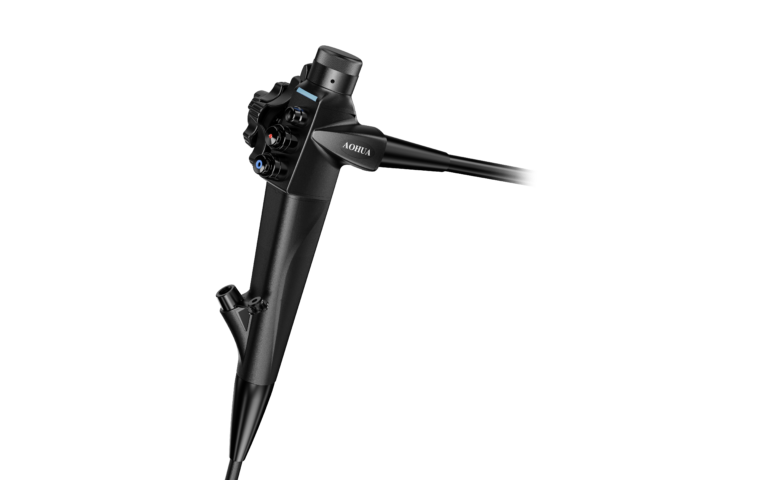
Endoscopy has become an essential tool for diagnostics and intervention across a range of species, offering reduced recovery times and improved clinical outcomes. Selecting the appropriate endoscope system is not a one-size-fits-all decision that must align with the practice’s clinical scope, the species commonly treated, and the financial framework in place. 

For Canadian veterinary professionals, this decision also involves unique regional considerations, including compliance, environmental challenges, and access to reliable local suppliers and support.

FHD Flexible3 768x480 1

How to Choose the Right Veterinary Endoscope System in Canada?

The following are the key factors to consider when evaluating and investing in a veterinary endoscope system.

Define Clinical and Species-Specific Requirements

Before exploring technical specifications or brand options, practices must first identify their own procedural needs.

Species Treated

The size and type of animals treated will determine the scope’s diameter, length, and flexibility. Small animal practices typically require short, narrow scopes, while equine or large animal clinics may need long, durable systems with enhanced maneuverability. Clinics treating exotics or pocket pets often benefit from highly specialized equipment.

Common Procedures

Determine which endoscopic procedures will be performed most frequently, such as gastrointestinal endoscopy, bronchoscopy, otoscopy, or rhinoscopy. This will help guide whether a flexible or rigid system is required and what accessory tools should be prioritized.

Clinical Specialization

Practices focused on general veterinary medicine may require versatile systems to cover a broad range of diagnostic tests. Conversely, specialists in internal medicine, soft tissue surgery, or exotic species may require higher-resolution imaging and procedure-specific functionality to support the complex cases they encounter.

Evaluate Technical Features That Impact Clinical Performance

Endoscopy systems vary widely in quality, and the right choice will depend on both clinical expectations and workflow demands.

Image Resolution

High-definition imaging is essential for detailed visualization of anatomical structures and improves diagnostic accuracy, particularly in delicate procedures or when working with small patients.

Scope Flexibility and Construction

Flexible endoscopes are ideal for navigating complex anatomical regions, especially in larger animals or when examining respiratory and gastrointestinal tracts. Rigid scopes are more suitable for surgical applications or procedures involving direct access, such as otoscopy or arthroscopy.

Light Source Technology

Consistent and bright illumination is necessary for accurate visualization. LED lighting is the preferred option due to its intensity, low heat output, and long operational life.

Ergonomics and User Interface

An intuitive system with user-friendly controls and an ergonomic design can significantly reduce training time and operator fatigue. Adjustable monitors and lightweight scopes improve day-to-day usability in busy clinical environments.

Compatibility and System Integration

Ensure that the system is compatible with existing monitors, data storage, and imaging software. Modular systems with upgrade options offer long-term value as clinical services expand.

Consider Operational and Logistical Factors

Beyond the technical specifications, the practicality of using and maintaining the system must be evaluated.

Budget Planning

Establish a comprehensive budget that includes not only the cost of the endoscope but also accessories, service agreements, software, and training. Leasing and refurbished units may be appropriate for smaller or mobile practices.

Clinic Space and Mobility

Evaluate the physical footprint of the equipment. Mobile practices or multi-room clinics may benefit from portable systems with integrated transport cases and compact monitors.

Maintenance and Technical Support

Assess the availability of local service centers and the system’s maintenance requirements. Choose manufacturers or distributors with proven support infrastructure in Canada and clearly defined service response times.

Warranty and Service Agreements

Review warranty terms, service contracts, and loaner equipment policies to ensure compliance with relevant regulations. Reliable support can prevent significant downtime and reduce long-term costs.

Training and Onboarding

Vendor-provided training ensures that clinical staff can operate the equipment safely and effectively. Hands-on onboarding can reduce procedural errors and improve diagnostic outcomes.

Seek Professional Input and Product Demonstrations

Decision-making should not occur in isolation. First-hand insights and product trials are critical for selecting the most appropriate system.

Peer Consultation

Consult colleagues who actively use endoscopy in similar settings. Their practical insights on usability, maintenance, and support are invaluable.

System Demonstrations

Request live demonstrations or trial periods. This enables your clinical team to evaluate the system’s functionality, ease of integration, and imaging quality under real-world working conditions.

Vendor Engagement

Collaborate with vendors who are familiar with the Canadian veterinary landscape. Ensure the equipment meets Health Canada requirements and that vendors can provide consistent post-sale support, parts availability, and regional service coverage.

Features to Look for in a Veterinary Endoscope System

Veterinary endoscopy systems vary significantly in performance and suitability depending on practice type, case volume, and species focus. While many systems offer baseline functionality, the following features are essential for clinics aiming for clinical precision, ease of use, and long-term reliability, particularly in the context of the Canadian veterinary landscape.

Image Quality and Resolution

Diagnostic confidence begins with image clarity. High-definition (HD) video endoscopes provide sharp, detailed views of internal structures, enabling earlier and more accurate detection of abnormalities. Compared to standard definition (SD), HD systems deliver a measurable improvement in both diagnostic precision and procedural efficiency.

Portability and Durability

For mobile veterinarians, rural clinics, or multi-room facilities, portability is critical. Lightweight, compact systems that offer integrated screens and battery-powered operation allow procedures to be performed anywhere without compromising imaging quality. Durability, including waterproof insertion tubes and impact-resistant casings, is essential in remote or ambulatory environments.

Sterilization and Maintenance

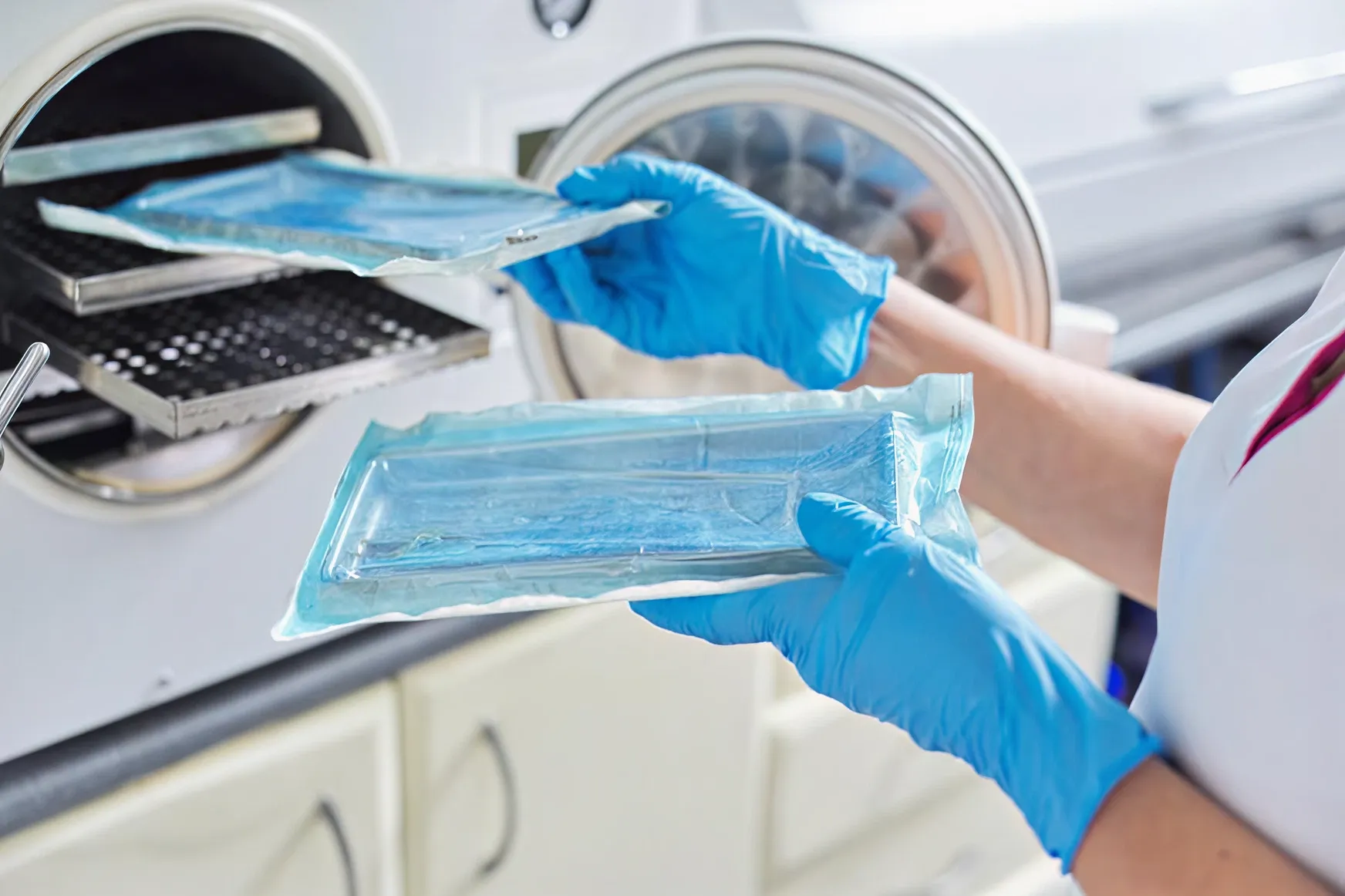
Veterinary practices must adhere to strict cleaning protocols, often with limited support staff. Systems that are compatible with autoclaves typically feature water-resistant components or include detachable parts for easy cleaning, thereby reducing the risk of contamination and improving operational hygiene.

Ergonomics and Usability

User-friendly interfaces, customizable controls, and responsive scope handling all contribute to better procedural flow. Smaller teams especially benefit from systems that reduce cognitive load and streamline training, allowing veterinarians to focus more on patient care and less on technical adjustments.

FHD Flexible1 768x432 1

Why Intriquip Instruments is the Trusted Choice for Veterinary Endoscopy in Canada?

At Intriquip, we understand the clinical, operational, and environmental demands placed on Canadian veterinary professionals. Our endoscopy solutions are engineered for performance, flexibility, and ease of use across small animal, large animal, exotic, and ambulatory practices. Here are just a few of the advanced systems we provide:

Flexible and Compact Options for Small Animals and Exotics

VET-2812R Ultra-Compact Endoscope

It is an ideal solution for feline, avian, and exotic procedures where space and precision are critical.

  • Working length: 1000 mm
  • Distal tip diameter: 2.8 mm
  • Instrument channel: 1.2 mm
  • Bending: U 180º, D 130º
  • Field of View: 120º
VET 2812R Ultra Compact Flexible Veterinary Endoscope 768x512 1

High-Performance Video Endoscopy Systems

VET-FHD Series (FHD35, FHD33, FHD15)

Designed for high-definition imaging across a wide range of species and procedures.

  • Working lengths: 1500 mm to 3500 mm
  • Insertion tube diameters: 9.8 mm to 12.8 mm
  • Bending ranges up to 210°
  • Field of View: 145º

VET-6028R

A 6 mm video endoscope is perfect for routine otoscopy, bronchoscopy, and rhinoscopy.

  • 2.8 mm instrument channel
  • Gold standard image quality and angulation
  • Optimized for companion animals and small exotics
IMG 8860 scaled e1738962518475 768x768 1

All-in-One Touchscreen Video Processor

OR-160 Endoscope Processor

A compact, full-HD system with advanced imaging features and seamless data management.

  • 18.5” touchscreen interface
  • Intelligent LED lighting with auto-adjustment
  • USB and FTP-compatible for media storage
  • Compatible with flexible and rigid scopes
  • Customizable profiles and shortcut keys
OR 1006 768x432 1

Mobile and Ambulatory Endoscopy

MVE-6010 Mobile Endoscope

Designed for field or in-clinic use, this portable system is self-contained and highly versatile.

  • Integral display, power supply, and recording head
  • Two-way angulation for full visual access
  • Waterproof, rugged design for easy sterilization
  • Supplied with full accessory kit
Veterinary Portable Endoscope 6010 1

Advanced Imaging & Processor Integration

VET-OR1200 Series Imaging Processors

Engineered to match flexible and rigid scopes, offering enhanced imaging and hemoglobin visualization.

  • High-definition digital display
  • Hemoglobin enhancement (HbE) function
  • USB storage for video and still images
  • Compatible with multiple camera heads
VET OR1200 Series 6010 1

Equip Your Practice with Confidence

Whether you operate a small animal clinic, a mixed-animal facility, or a mobile veterinary unit, Intriquip offers proven, high-performance solutions tailored to your needs. Our endoscopy systems deliver diagnostic clarity, intuitive operation, and durable design backed by regional service, training, and support across Canada.

Explore our complete line of veterinary endoscope systems at Intriquip.com or contact our team for a personalized consultation and demonstration.
Veterinary Endoscopy for Diagnostics and Treatment Options

743b04fc5dac6cd8374b537bd92c02e3076554a1

Veterinary endoscopy is a minimally invasive diagnostic and therapeutic tool that is increasingly utilized in veterinary medicine in Canada. This advanced technique enables veterinarians to directly visualize internal organs and body structures, providing precise insights that aid in accurate diagnosis and, in many cases, allow for therapeutic interventions without the need for traditional surgery. 

Aohua Veterinary VET 6028R Video Endoscope 768x668 2

Endoscopy is especially valuable for examining the gastrointestinal tract, airways, and urinary system, as well as for safely retrieving foreign objects. As minimally invasive methods gain prominence, Canadian veterinary practices are increasingly adopting endoscopy, thereby enhancing patient care and outcomes. 

This post examines the pivotal diagnostic and therapeutic roles of veterinary endoscopy in contemporary veterinary medicine.

Diagnostic Applications of Veterinary Endoscopy

Below, we will explore the key diagnostic applications of veterinary endoscopy, focusing on its role in evaluating the gastrointestinal tract, respiratory system, urogenital tract, and ear and nasal cavities.

Gastrointestinal Tract Diagnostics

Endoscopic procedures such as esophagoscopy, gastroscopy, and colonoscopy are fundamental tools for evaluating the gastrointestinal (GI) tract in small animals. These techniques enable veterinarians to inspect the esophagus, stomach, and colon lining for abnormalities, including ulcers, tumours, foreign bodies, and inflammatory diseases such as inflammatory bowel disease (IBD). 

Unlike conventional imaging, endoscopy provides direct visualization and facilitates targeted biopsies, which are crucial for definitive diagnosis and treatment planning. For example, gastroscopy can reveal subtle mucosal changes and help differentiate between benign and malignant lesions.

Respiratory System Evaluation

In respiratory diagnostics, rhinoscopy and bronchoscopy are invaluable for investigating chronic respiratory symptoms such as persistent cough, nasal discharge, or breathing difficulties. Rhinoscopy enables a detailed examination of the nasal passages, allowing for the identification of infections, polyps, fungal diseases, or tumours that may be causing obstruction or inflammation. 

FHD Flexible3 768x480 2

Bronchoscopy extends this capability to the lower airways, enabling visualization of the trachea and bronchi. Through bronchoscopy, veterinarians can collect lavage samples for cytology or culture, assisting in the diagnosis of infectious or inflammatory airway diseases.

Urogenital Tract Assessment

Endoscopic tools, such as cystoscopy and urethroscopy, are increasingly used to assess the urinary system. These procedures enable direct visualization of the bladder and urethra, allowing for the detection of urinary tract stones, tumours, infections, and strictures. 

This is particularly important in cases of recurrent urinary tract infections or unexplained hematuria (blood in urine). Additionally, cystoscopy enables the minimally invasive biopsy of suspicious lesions, aiding in early diagnosis and improving therapeutic outcomes.

Ear and Nasal Cavity Examination

Otoscopy and rhinoscopy are essential diagnostic techniques for evaluating chronic ear infections and nasal diseases. Otoscopy enables veterinarians to assess the ear canal and tympanic membrane for signs of inflammation, polyps, or foreign bodies. Rhinoscopy, as noted earlier, assists in diagnosing nasal obstructions or infections. These procedures guide targeted treatment and improve prognosis by identifying the underlying cause rather than relying solely on symptomatic treatment.

Additional Diagnostic Applications

Beyond these primary uses, veterinary endoscopy is also applied to evaluate the joints (arthroscopy), abdominal cavity (laparoscopy), and thoracic cavity (thoracoscopy) for both diagnostic and therapeutic purposes. 

Arthroscopy, for instance, allows direct inspection of joint surfaces and is particularly helpful in diagnosing lameness or joint disease. Laparoscopy and thoracoscopy enable minimally invasive exploration of the abdomen and chest, facilitating diagnosis and biopsy of masses or inflammatory conditions that would otherwise require open surgery.

Advantages Of Traditional Imaging

Compared to traditional diagnostic imaging modalities such as radiography or ultrasound, endoscopy offers several distinct advantages. It provides direct visualization of mucosal surfaces, enabling the identification of subtle lesions that may be missed on imaging. 

Endoscopy also allows for the simultaneous removal of foreign bodies or tissue biopsy, which accelerates diagnosis and treatment. 

This minimally invasive approach reduces patient stress, anesthesia time, and recovery compared to exploratory surgery, making it a preferred option in modern veterinary care.

Therapeutic Endoscopy in Veterinary Medicine

Below, we will discuss the main therapeutic applications of veterinary endoscopy, including foreign body removal, tissue sampling, tumour excision, laser treatments, and procedures to manage strictures, highlighting their benefits over traditional surgery.

Foreign Body Removal Procedures

One of the most frequent therapeutic uses of veterinary endoscopy is the removal of foreign bodies. Objects lodged in the gastrointestinal tract or airways can be extracted safely and precisely using endoscopic tools, avoiding invasive surgery. This minimally invasive approach reduces trauma, shortens anesthesia time, and speeds up recovery for the animal, making it especially valuable in emergency cases.

Biopsy and Minimally Invasive Tissue Sampling

Endoscopy allows veterinarians to obtain tissue biopsies from internal organs or suspicious lesions with minimal discomfort to the patient. Using instruments passed through the endoscope, precise samples can be collected for histopathological examination, enabling the early diagnosis of cancers, infections, or inflammatory conditions. This technique reduces the need for exploratory surgery and lowers the risk of complications.

Polyp and Tumour Removal / Endoscopic Surgery

Small polyps or early-stage tumours can often be removed entirely using endoscopic surgery. This procedure is less invasive than traditional surgery, resulting in less pain, reduced risk of infection, and faster healing. Endoscopic tumour removal is beneficial for lesions located in the gastrointestinal or respiratory tracts.

Laser Therapy and Cauterization Through Endoscopy

Laser therapy is increasingly integrated with endoscopy to treat abnormal tissues. Lasers can precisely ablate tumours, polyps, or inflamed areas while simultaneously cauterizing blood vessels to control bleeding. This dual-action approach minimizes surgical complications and improves healing times, thereby enhancing overall treatment effectiveness.

Stent Placement and Dilation of Strictures

In cases where strictures (narrowed passages) occur in the gastrointestinal or urinary tracts, therapeutic endoscopy allows for dilation or stent placement. Stents help maintain the openness of these passages, improving function and comfort for the animal. This technique provides a non-surgical solution to problems that previously required invasive intervention.

Advantages of Therapeutic Endoscopy

Therapeutic endoscopy offers significant benefits over traditional surgical methods, including shorter anesthesia duration, reduced postoperative pain, fewer complications, and faster recovery times. These advantages contribute to better patient outcomes and have driven increased use of endoscopic treatments in veterinary clinics across Canada.

Intriquip’s Advanced Veterinary Endoscopy Solutions: Precision Meets Practicality

When choosing veterinary endoscopy equipment, it’s essential to prioritize features such as image quality, portability, ease of sterilization, and user-friendly design. Intriquip offers a comprehensive range of cutting-edge endoscopy systems that meet these demands, providing Canadian veterinary professionals with reliable, high-performance tools for superior diagnostic and therapeutic care.

Superior Image Quality and Versatile Endoscopes

Intriquip offers a range of veterinary endoscopes designed to deliver crystal-clear images essential for accurate diagnosis. Our VET-2812R Ultra-Compact Flexible Endoscope offers excellent maneuverability with a 120 ° field of view, making it ideal for small or exotic animals. For more extensive procedures, the VET-FHD33, VET-FHD35, and VET-FHD15 models offer a wide 145º field of view and multi-directional bending capabilities, allowing veterinarians to reach and visualize complex anatomical areas with ease.

Innovative Video Processing with the OR-160 System

Our OR-160 Touch Screen Veterinary Endoscope Video Processor sets a new standard with its full HD medical-grade display and intuitive 18.5” touchscreen interface. Designed for versatility, it supports a broad range of procedures, including bronchoscopy, laparoscopy, otoscopy, and gastroscopy. The system’s intelligent lighting and patient data management features streamline workflow, making it an invaluable tool in modern veterinary clinics.

Portable Solutions for Ambulatory and Rural Practices

Understanding the demands of Canadian veterinary professionals working in diverse environments, Intriquip provides portable systems, such as the MVE-6010 Ambulatory Endoscope. This battery-operated, waterproof endoscope features integrated recording and a bright LED light source, ensuring high-quality imaging even in remote locations. It is ideally suited for ambulatory, rural, or emergency veterinary care.

Enhanced Usability and Maintenance

Our equipment prioritizes ergonomic design and ease of maintenance. With durable construction compatible with standard sterilization protocols and intuitive user interfaces, veterinary teams can focus on patient care without technical distractions. Imaging processors, such as the VET-OR1200 Series, provide advanced imaging features, including hemoglobin enhancement (HbE), for improved visualization of vascular structures and subtle tissue changes.

Comprehensive Support for Diverse Veterinary Needs

Intriquip’s portfolio caters to a wide variety of animal sizes and procedures, ensuring Canadian veterinarians have access to the right tools for companion animals, large animals, and exotic species. By combining superior technology with practical design, our endoscopy solutions improve diagnostic accuracy, reduce procedure times, and enhance overall patient outcomes.

FHD Flexible3 768x480 1

FAQs

What are the main advantages of using endoscopy in veterinary medicine?

Veterinary endoscopy offers minimally invasive access to internal organs, allowing direct visualization and targeted biopsies without open surgery. This reduces anesthesia time, lowers complication risks, speeds up recovery, and improves diagnostic accuracy, especially for the gastrointestinal, respiratory, and urogenital systems.

Which types of animals can benefit from veterinary endoscopy?

Endoscopy is a versatile tool that can be used on a wide range of animals, including small pets like cats and dogs, large animals such as horses and cattle, as well as exotic species. Intriquip’s equipment is designed to accommodate different sizes and species with variable endoscope lengths and diameters.

How important is image quality in veterinary endoscopy?

High image quality is critical for accurate diagnosis. HD systems, such as Intriquip’s OR-160 processor combined with our high-resolution endoscopes, provide clear, detailed images that help veterinarians identify subtle tissue changes, tumors, ulcers, or foreign bodies more reliably than standard imaging.

Can endoscopy be used for both diagnostic and therapeutic purposes?

Yes, veterinary endoscopy serves dual purposes. It not only helps diagnose conditions via visualization and biopsy but also enables therapeutic procedures such as foreign body removal, tumour excision, laser therapy, stent placement, and dilation of strictures with minimal invasiveness.