
Veterinary endoscopy is a minimally invasive diagnostic and therapeutic tool that is increasingly utilized in veterinary medicine in Canada. This advanced technique enables veterinarians to directly visualize internal organs and body structures, providing precise insights that aid in accurate diagnosis and, in many cases, allow for therapeutic interventions without the need for traditional surgery.

Endoscopy is especially valuable for examining the gastrointestinal tract, airways, and urinary system, as well as for safely retrieving foreign objects. As minimally invasive methods gain prominence, Canadian veterinary practices are increasingly adopting endoscopy, thereby enhancing patient care and outcomes.
This post examines the pivotal diagnostic and therapeutic roles of veterinary endoscopy in contemporary veterinary medicine.
Diagnostic Applications of Veterinary Endoscopy
Below, we will explore the key diagnostic applications of veterinary endoscopy, focusing on its role in evaluating the gastrointestinal tract, respiratory system, urogenital tract, and ear and nasal cavities.
Gastrointestinal Tract Diagnostics
Endoscopic procedures such as esophagoscopy, gastroscopy, and colonoscopy are fundamental tools for evaluating the gastrointestinal (GI) tract in small animals. These techniques enable veterinarians to inspect the esophagus, stomach, and colon lining for abnormalities, including ulcers, tumours, foreign bodies, and inflammatory diseases such as inflammatory bowel disease (IBD).
Unlike conventional imaging, endoscopy provides direct visualization and facilitates targeted biopsies, which are crucial for definitive diagnosis and treatment planning. For example, gastroscopy can reveal subtle mucosal changes and help differentiate between benign and malignant lesions.
Respiratory System Evaluation
In respiratory diagnostics, rhinoscopy and bronchoscopy are invaluable for investigating chronic respiratory symptoms such as persistent cough, nasal discharge, or breathing difficulties. Rhinoscopy enables a detailed examination of the nasal passages, allowing for the identification of infections, polyps, fungal diseases, or tumours that may be causing obstruction or inflammation.
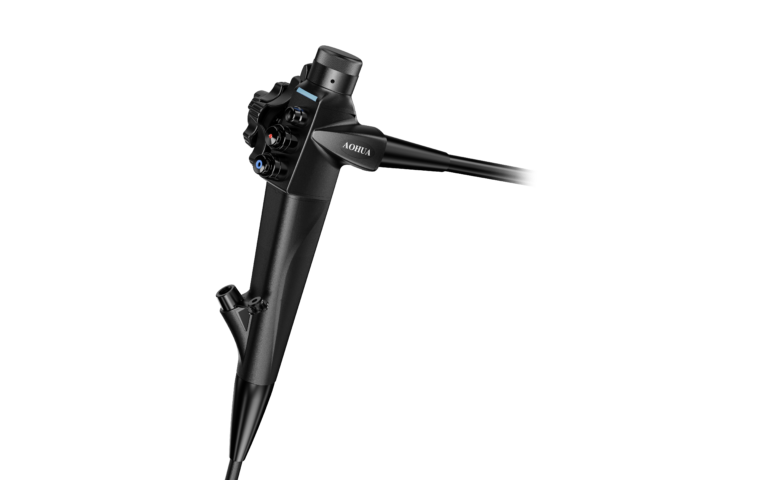
Bronchoscopy extends this capability to the lower airways, enabling visualization of the trachea and bronchi. Through bronchoscopy, veterinarians can collect lavage samples for cytology or culture, assisting in the diagnosis of infectious or inflammatory airway diseases.
Urogenital Tract Assessment
Endoscopic tools, such as cystoscopy and urethroscopy, are increasingly used to assess the urinary system. These procedures enable direct visualization of the bladder and urethra, allowing for the detection of urinary tract stones, tumours, infections, and strictures.
This is particularly important in cases of recurrent urinary tract infections or unexplained hematuria (blood in urine). Additionally, cystoscopy enables the minimally invasive biopsy of suspicious lesions, aiding in early diagnosis and improving therapeutic outcomes.
Ear and Nasal Cavity Examination
Otoscopy and rhinoscopy are essential diagnostic techniques for evaluating chronic ear infections and nasal diseases. Otoscopy enables veterinarians to assess the ear canal and tympanic membrane for signs of inflammation, polyps, or foreign bodies. Rhinoscopy, as noted earlier, assists in diagnosing nasal obstructions or infections. These procedures guide targeted treatment and improve prognosis by identifying the underlying cause rather than relying solely on symptomatic treatment.
Additional Diagnostic Applications
Beyond these primary uses, veterinary endoscopy is also applied to evaluate the joints (arthroscopy), abdominal cavity (laparoscopy), and thoracic cavity (thoracoscopy) for both diagnostic and therapeutic purposes.
Arthroscopy, for instance, allows direct inspection of joint surfaces and is particularly helpful in diagnosing lameness or joint disease. Laparoscopy and thoracoscopy enable minimally invasive exploration of the abdomen and chest, facilitating diagnosis and biopsy of masses or inflammatory conditions that would otherwise require open surgery.
Advantages Of Traditional Imaging
Compared to traditional diagnostic imaging modalities such as radiography or ultrasound, endoscopy offers several distinct advantages. It provides direct visualization of mucosal surfaces, enabling the identification of subtle lesions that may be missed on imaging.
Endoscopy also allows for the simultaneous removal of foreign bodies or tissue biopsy, which accelerates diagnosis and treatment.
This minimally invasive approach reduces patient stress, anesthesia time, and recovery compared to exploratory surgery, making it a preferred option in modern veterinary care.
Therapeutic Endoscopy in Veterinary Medicine
Below, we will discuss the main therapeutic applications of veterinary endoscopy, including foreign body removal, tissue sampling, tumour excision, laser treatments, and procedures to manage strictures, highlighting their benefits over traditional surgery.
Foreign Body Removal Procedures
One of the most frequent therapeutic uses of veterinary endoscopy is the removal of foreign bodies. Objects lodged in the gastrointestinal tract or airways can be extracted safely and precisely using endoscopic tools, avoiding invasive surgery. This minimally invasive approach reduces trauma, shortens anesthesia time, and speeds up recovery for the animal, making it especially valuable in emergency cases.
Biopsy and Minimally Invasive Tissue Sampling
Endoscopy allows veterinarians to obtain tissue biopsies from internal organs or suspicious lesions with minimal discomfort to the patient. Using instruments passed through the endoscope, precise samples can be collected for histopathological examination, enabling the early diagnosis of cancers, infections, or inflammatory conditions. This technique reduces the need for exploratory surgery and lowers the risk of complications.
Polyp and Tumour Removal / Endoscopic Surgery
Small polyps or early-stage tumours can often be removed entirely using endoscopic surgery. This procedure is less invasive than traditional surgery, resulting in less pain, reduced risk of infection, and faster healing. Endoscopic tumour removal is beneficial for lesions located in the gastrointestinal or respiratory tracts.
Laser Therapy and Cauterization Through Endoscopy
Laser therapy is increasingly integrated with endoscopy to treat abnormal tissues. Lasers can precisely ablate tumours, polyps, or inflamed areas while simultaneously cauterizing blood vessels to control bleeding. This dual-action approach minimizes surgical complications and improves healing times, thereby enhancing overall treatment effectiveness.
Stent Placement and Dilation of Strictures
In cases where strictures (narrowed passages) occur in the gastrointestinal or urinary tracts, therapeutic endoscopy allows for dilation or stent placement. Stents help maintain the openness of these passages, improving function and comfort for the animal. This technique provides a non-surgical solution to problems that previously required invasive intervention.
Advantages of Therapeutic Endoscopy
Therapeutic endoscopy offers significant benefits over traditional surgical methods, including shorter anesthesia duration, reduced postoperative pain, fewer complications, and faster recovery times. These advantages contribute to better patient outcomes and have driven increased use of endoscopic treatments in veterinary clinics across Canada.
Intriquip’s Advanced Veterinary Endoscopy Solutions: Precision Meets Practicality
When choosing veterinary endoscopy equipment, it’s essential to prioritize features such as image quality, portability, ease of sterilization, and user-friendly design. Intriquip offers a comprehensive range of cutting-edge endoscopy systems that meet these demands, providing Canadian veterinary professionals with reliable, high-performance tools for superior diagnostic and therapeutic care.
Superior Image Quality and Versatile Endoscopes
Intriquip offers a range of veterinary endoscopes designed to deliver crystal-clear images essential for accurate diagnosis. Our VET-2812R Ultra-Compact Flexible Endoscope offers excellent maneuverability with a 120 ° field of view, making it ideal for small or exotic animals. For more extensive procedures, the VET-FHD33, VET-FHD35, and VET-FHD15 models offer a wide 145º field of view and multi-directional bending capabilities, allowing veterinarians to reach and visualize complex anatomical areas with ease.
Innovative Video Processing with the OR-160 System
Our OR-160 Touch Screen Veterinary Endoscope Video Processor sets a new standard with its full HD medical-grade display and intuitive 18.5” touchscreen interface. Designed for versatility, it supports a broad range of procedures, including bronchoscopy, laparoscopy, otoscopy, and gastroscopy. The system’s intelligent lighting and patient data management features streamline workflow, making it an invaluable tool in modern veterinary clinics.
Portable Solutions for Ambulatory and Rural Practices
Understanding the demands of Canadian veterinary professionals working in diverse environments, Intriquip provides portable systems, such as the MVE-6010 Ambulatory Endoscope. This battery-operated, waterproof endoscope features integrated recording and a bright LED light source, ensuring high-quality imaging even in remote locations. It is ideally suited for ambulatory, rural, or emergency veterinary care.
Enhanced Usability and Maintenance
Our equipment prioritizes ergonomic design and ease of maintenance. With durable construction compatible with standard sterilization protocols and intuitive user interfaces, veterinary teams can focus on patient care without technical distractions. Imaging processors, such as the VET-OR1200 Series, provide advanced imaging features, including hemoglobin enhancement (HbE), for improved visualization of vascular structures and subtle tissue changes.
Comprehensive Support for Diverse Veterinary Needs
Intriquip’s portfolio caters to a wide variety of animal sizes and procedures, ensuring Canadian veterinarians have access to the right tools for companion animals, large animals, and exotic species. By combining superior technology with practical design, our endoscopy solutions improve diagnostic accuracy, reduce procedure times, and enhance overall patient outcomes.

FAQs
What are the main advantages of using endoscopy in veterinary medicine?
Veterinary endoscopy offers minimally invasive access to internal organs, allowing direct visualization and targeted biopsies without open surgery. This reduces anesthesia time, lowers complication risks, speeds up recovery, and improves diagnostic accuracy, especially for the gastrointestinal, respiratory, and urogenital systems.
Which types of animals can benefit from veterinary endoscopy?
Endoscopy is a versatile tool that can be used on a wide range of animals, including small pets like cats and dogs, large animals such as horses and cattle, as well as exotic species. Intriquip’s equipment is designed to accommodate different sizes and species with variable endoscope lengths and diameters.
How important is image quality in veterinary endoscopy?
High image quality is critical for accurate diagnosis. HD systems, such as Intriquip’s OR-160 processor combined with our high-resolution endoscopes, provide clear, detailed images that help veterinarians identify subtle tissue changes, tumors, ulcers, or foreign bodies more reliably than standard imaging.
Can endoscopy be used for both diagnostic and therapeutic purposes?
Yes, veterinary endoscopy serves dual purposes. It not only helps diagnose conditions via visualization and biopsy but also enables therapeutic procedures such as foreign body removal, tumour excision, laser therapy, stent placement, and dilation of strictures with minimal invasiveness.