Day: 22 March 2025

What is Veterinary Therapeutic Equipment?

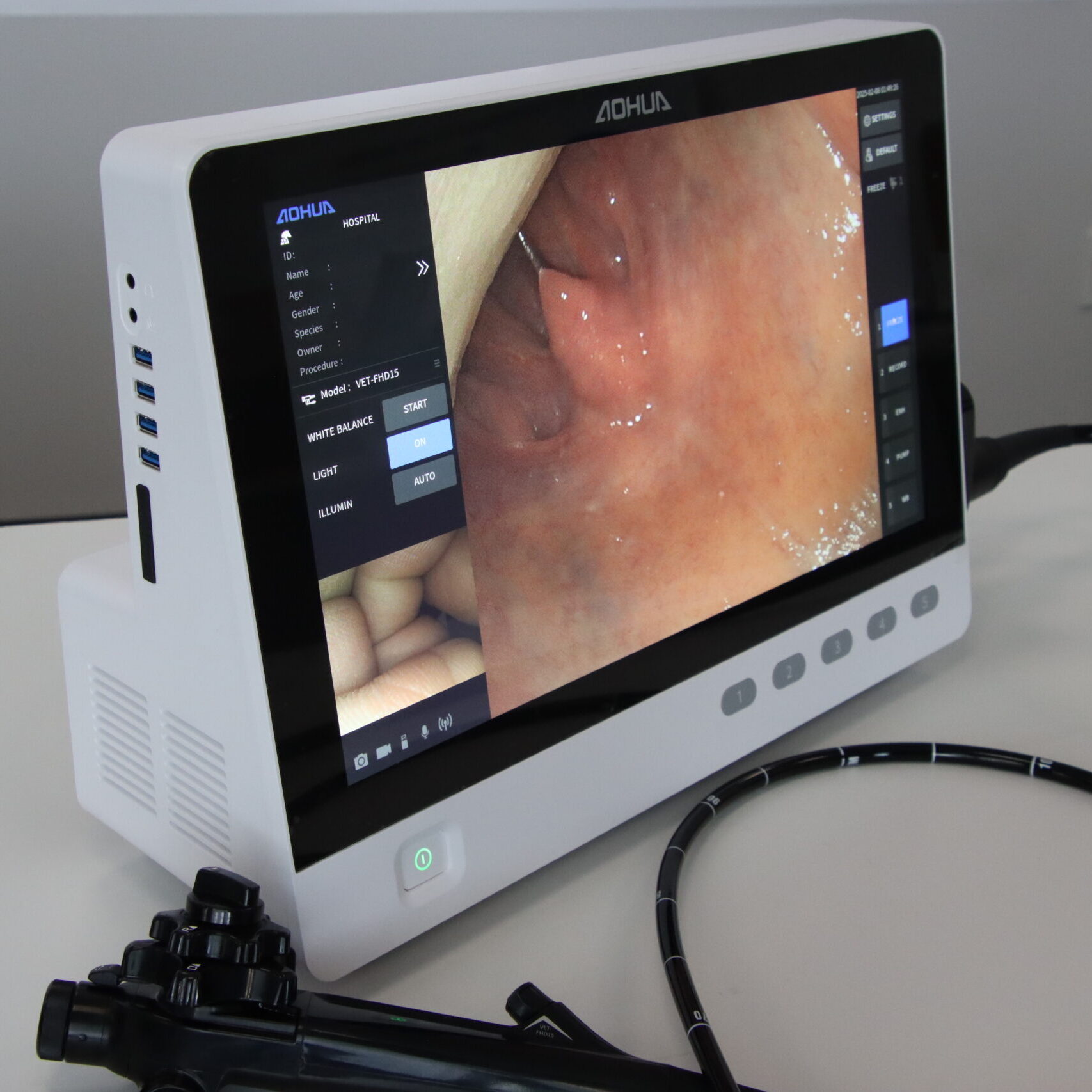
OR-160 Touch Screen Veterinary Endoscope Video Processor

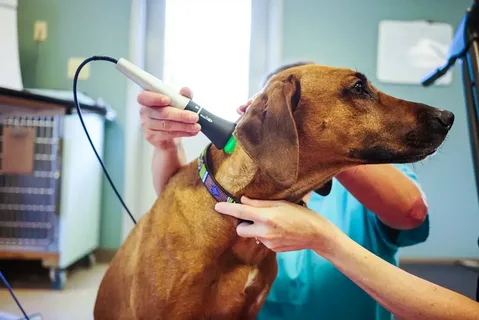
Veterinary therapeutic equipment encompasses a wide range of tools and technologies used to treat injuries, manage pain, and improve animal mobility and overall well-being. 

These modalities play a crucial role in rehabilitation, post-surgical recovery, and the management of chronic conditions, helping animals regain function and enhance their quality of life.

The application of therapeutic equipment in veterinary medicine is continually evolving, providing veterinarians and animal healthcare professionals with innovative ways to address various conditions. 
i

What are Veterinary Therapeutic Modalities

Therapeutic equipment is designed to elicit specific physiological responses, promoting healing, reducing inflammation, alleviating pain, and restoring normal function. 

These modalities often stimulate cellular activity, improve blood flow, reduce muscle tension, or provide support and assistance during the recovery process.

The integration of various therapeutic tools enables a multimodal approach to patient care, tailoring treatment plans to each animal’s specific needs.

Veterinary Therapeutic Equipment Types and Applications

A variety of equipment falls under the umbrella of veterinary therapeutics, each offering unique benefits:

Therapeutic Lasers

Also known as photobiomodulation or low-level light therapy (LLLT), therapeutic lasers use specific wavelengths of light to penetrate tissues. This energy is absorbed by cells, stimulating metabolic processes, increasing ATP production, and promoting a cascade of beneficial effects. 
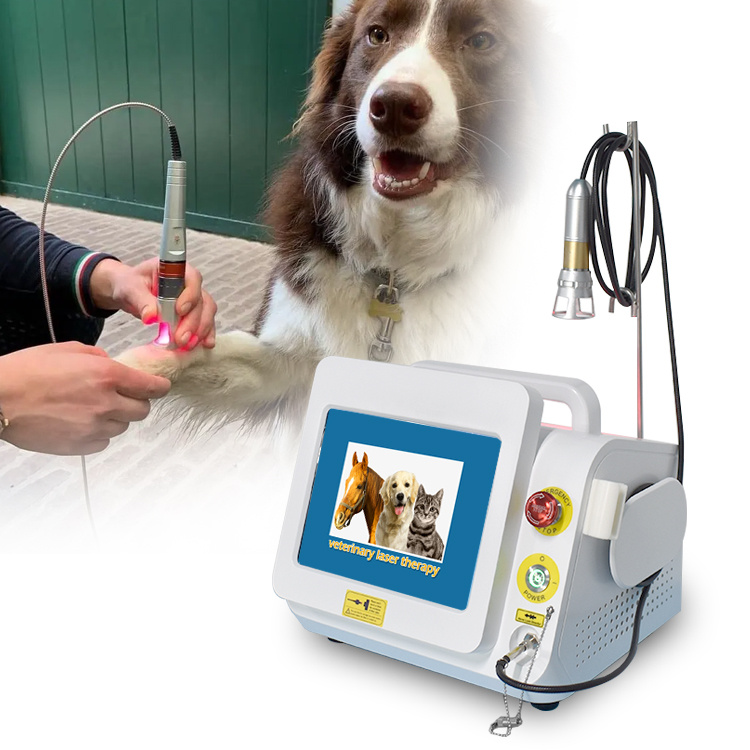
Professional Health Care Veterinary Use Laser Intrument Equine Veterinary 980nm Diode Laser Therapy Equipment for Tendon Injury Soft Issue

Applications include reducing inflammation, alleviating pain (analgesia), accelerating tissue repair and cell growth, improving vascular activity, and stimulating trigger and acupuncture points. 

Therapeutic lasers are commonly used for post-surgical incision management, arthritis treatment, reducing edema, and enhancing wound healing.

Manual Therapy

This involves hands-on techniques a trained professional performs to assess and treat musculoskeletal dysfunction. Manual therapy encompasses a range of techniques, including soft tissue mobilization, joint mobilization, passive range-of-motion exercises, stretching, and massage. 

These techniques help reduce muscle spasms, improve flexibility, restore joint mobility, and alleviate pain. Manual therapy is often used with other therapeutic modalities to optimize outcomes.

Acupuncture

It is based on principles of traditional Chinese medicine. It involves inserting thin needles into specific points on the body to stimulate energy flow and promote overall well-being and healing. 

In veterinary medicine, acupuncture manages pain, reduces inflammation, improves neurological function, and supports the body’s natural healing processes. 

Pulsed Electromagnetic Field (PEMF) Therapy

PEMF therapy uses electromagnetic fields to stimulate cellular repair and regeneration. This non-invasive modality can help reduce pain and inflammation, improve circulation, and accelerate bone and tissue healing. 

Therapeutic Exercise Programs

Tailored exercise programs are crucial for regaining strength, flexibility, balance, and coordination after an injury or surgery. These programs may involve various activities, including land-based exercises, physioballs, therapy bands, rocker/wobble boards, and cavaletti poles.

Assisted Devices

Various supportive devices can help animals with mobility and provide external support during recovery or for chronic conditions. These include harnesses, toe grips, wraps, braces or orthotics, and wheelchairs or carts. 

Assisted devices help improve stability, reduce weight-bearing stress on injured limbs, and enable animals to maintain a degree of independence and activity.

Electrotherapy

This modality uses electrical currents to stimulate nerves and muscles. Types of electrotherapy include transcutaneous electrical nerve stimulation (TENS) for pain control, electrical muscle stimulation (EMS) for muscle re-education and strengthening, and neuromuscular electrical stimulation (NMES) to reverse atrophy and improve muscle function.

Cryotherapy and Heat Therapy

These are simple yet effective modalities for managing pain and inflammation. Cryotherapy, also known as cold therapy, involves using ice packs or cold compression units to help reduce swelling, decrease muscle spasms, and numb the affected area. 

Heat therapy, which involves using heat packs or warm compresses, helps relieve pain, relax muscles, and prepare tissues for exercise or stretching.

Therapeutic Ultrasound

This modality uses high-frequency sound waves to generate heat deep within tissues. Therapeutic ultrasound can help reduce pain, decrease muscle spasms, improve tissue extensibility, and promote healing by increasing blood flow to the area.

Extracorporeal Shock Wave Therapy

This non-invasive therapy uses high-intensity sound waves to stimulate healing in injured tissues. Shock wave therapy can help reduce pain, promote bone healing, and improve blood flow.

The Role of Therapeutic Equipment in Veterinary Practice

Integrating therapeutic equipment into veterinary practice allows for the provision of comprehensive rehabilitation and pain management services. These tools enable veterinarians to:

  • Develop individualized treatment plans.
  • Accelerate recovery from injuries and surgeries.
  • Improve pain control and reduce reliance on medication.
  • Enhance mobility and function in animals with chronic conditions.
  • Improve the overall quality of life for animal patients.
  • Offer specialized services that can differentiate a practice.

Selecting the Right Equipment

Choosing the appropriate therapeutic equipment depends on the types of conditions commonly treated in a practice, the available space, the budget, and the level of training and expertise of the veterinary team. Consulting with equipment suppliers and other professionals experienced in veterinary rehabilitation can help inform decisions.

Considerations when selecting equipment include:

  • Patient population: The size and species of animals treated will influence the type and size of equipment needed.
  • Common conditions: Equipment should be selected based on the prevalent conditions seen in the practice.
  • Space availability: Certain equipment, such as underwater treadmills, requires significant space.
  • Budget: Equipment costs vary widely, and it is important to consider both the initial investment and ongoing maintenance costs.
  • Training and Support: Providing staff with adequate training on the proper use and maintenance of equipment is crucial.

Conclusion

Veterinary therapeutic equipment represents a vital component of modern animal healthcare, offering practical solutions for pain management, rehabilitation, and improving the lives of animal patients. 

By understanding the various types of equipment available and their applications, veterinary professionals can develop comprehensive treatment plans that promote healing, restore function, and enhance the well-being of the animals entrusted to their care.

FAQs

What types of conditions can be treated with veterinary therapeutic equipment?

Veterinary therapeutic equipment can treat a wide range of conditions, including osteoarthritis, hip and elbow dysplasia, cruciate ligament injuries, intervertebral disc disease, fractures, muscle strains and sprains, nerve injuries, and post-surgical rehabilitation.

Is veterinary therapeutic equipment only for rehabilitation?

While a significant application is in rehabilitation, therapeutic equipment is also used for pain management, reducing inflammation, improving mobility in aging animals, and as part of a multi-modal approach to various medical conditions.

How does therapeutic laser therapy work?

Therapeutic lasers use specific wavelengths of light absorbed by cells, stimulating cellular metabolism and increasing the production of ATP. 

What are the benefits of hydrotherapy for animals?

Hydrotherapy offers numerous benefits, including reduced weight-bearing exercise, improved range of motion, muscle strengthening, enhanced cardiovascular fitness, and increased balance and coordination.

Are these therapies painful for animals?

Most veterinary therapeutic modalities are non-invasive and well-tolerated by animals. Many therapies, such as laser therapy and PEMF therapy, are painless and can even be relaxing for the patient. 

Are there any risks associated with using veterinary therapeutic equipment?

When used correctly by trained professionals, the risks associated with veterinary therapeutic equipment are minimal. Proper protocols and guidelines for each modality must be followed, and each patient must be assessed individually to determine the most appropriate treatment plan.
Who Repairs Veterinary and Medical Equipment?

i 4

Fixing complex veterinary medical equipment requires a level of expertise far exceeding that of general electronics repair. These are sophisticated instruments vital for animal health. 

They involve intricate mechanics and sensitive electronics, demand exact calibration for various animal sizes and conditions, and must meet specific safety and, in some cases, regulatory standards. 

672393141a0fe728957134
Science worker engineer service fix repair advance machine in medical equipment hygine factory.

Handing these repairs over to someone without that particular background is a risk, potentially leading to more damage, inaccurate results, and, importantly, compromising the safety of the animal patient and the clinic staff.

The Importance of Reliable Equipment in Vet Practice

The impact is immediate when any vital piece of veterinary medical equipment fails to work perfectly or unexpectedly. A diagnostic tool that yields inaccurate readings could lead to a delayed or incorrect diagnosis. 

An anesthesia machine malfunction could put an animal patient at risk during a procedure. Equipment downtime means that appointments get rescheduled, staff time is wasted, and ultimately, the clinic’s ability to provide the high standard of care it strives for is challenged. 

That’s why knowing exactly who to call for expert repair isn’t just about fixing a problem; it’s also a fundamental part of ensuring continuous, high-quality veterinary service.

Who Provides the Fix?

The specialized field of veterinary equipment repair involves several key service providers. Understanding these options helps clinics make informed decisions about maintaining their valuable assets and ensuring continuity of care.

Original Equipment Manufacturer (OEM)

One option is seeking service directly from the original equipment manufacturer (OEM).

  • Benefit: Access to manufacturer-specific knowledge and genuine parts designed precisely for that equipment.
  • Considerations: Depending on the manufacturer’s or service depot’s location, this can potentially result in higher costs and longer shipping times for repairs. Often, their service is limited strictly to their brand, requiring clinics to manage relationships with multiple service providers if equipment comes from different companies.

Third-party Independent Service Providers (ISPs)

A significant and often highly flexible alternative for vet clinics is partnering with third-party independent service providers (ISPs). These companies specialize in repairing various equipment, often across multiple manufacturers, commonly used in veterinary practice.

  • Benefit: This multi-vendor expertise is hugely beneficial for clinics that typically use equipment from different brands. It simplifies the management of maintenance and repair needs under one roof.
  • Considerations: Crucially, many independent service providers focus specifically on the veterinary market, having a deep understanding of the unique types of equipment, the workflow in an animal clinic, and the specific demands of that environment.

In-house Biomedical Technicians

For larger institutions, such as university veterinary teaching hospitals or large specialized referral centres, employing in-house biomedical technicians is sometimes an approach.

  • Benefit: Provides the potential for a rapid response to equipment issues directly within the facility.
  • Considerations: Establishing and maintaining an in-house team requires substantial investment in staffing, ongoing training specific to veterinary models, keeping an inventory of parts, and acquiring specialized tools. 

The Specialized Skills Required for Veterinary Equipment

Repairing sophisticated veterinary equipment requires unique technical skills, scientific understanding tailored to animal healthcare technology, and strict adherence to established protocols. 

The professionals who excel in this field are typically biomedical equipment technicians (BMETs) or field service engineers with training specifically applicable to medical devices. They often seek further specialization in the veterinary field.

These individuals undergo a comprehensive education covering:

  • Electronics, mechanics, and physics principles
  • Software and networking are increasingly crucial for integrated veterinary systems

Their training focuses specifically on the function, maintenance, and repair of medical devices used in animal care. 

Beyond foundational knowledge, practical experience working with actual veterinary equipment in clinics is invaluable. 

Skilled technicians develop the ability to troubleshoot and diagnose complex problems efficiently, often under pressure in a busy clinic environment, recognizing that delays directly impact patient care scheduling. 

Furthermore, reputable repair professionals continuously update their skills and knowledge regarding evolving technology and relevant safety or regulatory standards. 

The Benefits of Professional Veterinary Equipment Repair

Opting for professional, specialized repair services tailored for veterinary equipment offers numerous advantages that directly contribute to a practice’s smooth operation and the quality of care.

Ensuring Accuracy for Animal Patients

Professional technicians use calibrated tools and follow established protocols to repair and test veterinary devices, confirming they function within parameters critical for accurate diagnostic results, such as blood work or imaging, and safe animal treatments.

Prioritizing Safety in the Clinic

Faulty equipment can pose electrical and mechanical hazards to veterinary staff and animal patients. Experts understand the safety features built into veterinary medical devices and ensure these remain functional after repair.

Maximizing Your Equipment Investment

Proper repairs, using the correct and quality parts, and appropriate techniques, prevent further damage and significantly extend the operational lifespan of expensive veterinary equipment. 

This helps clinics manage their budgets effectively by avoiding the high cost of prematurely replacing valuable machines.

Reducing Disruptive Downtime

Equipment breakdowns can be incredibly disruptive for a busy veterinary clinic. Reputable repair services understand the urgency and focus on fast diagnostics and efficient repairs to get critical equipment back into service as quickly as possible.

Supporting Compliance and Quality Standards

While direct federal medical device regulations primarily focus on human devices, maintaining veterinary equipment properly aligns with professional practice standards set by bodies like provincial veterinary associations or the CVMA Principles of Veterinary Medical Ethics, which emphasize competence and quality care. 

Preventative Maintenance

While repairing existing problems, preventive maintenance is all about getting ahead by actively working to prevent those problems from happening in the first place. 

This proactive approach is a cornerstone of responsible equipment management and is a service typically offered by the same specialized professionals who perform repairs.

A well-structured preventative maintenance program for veterinary equipment involves scheduled inspections, thorough cleaning, precise calibration checks, and functional testing performed according to manufacturer recommendations and relevant industry best practices. 

For a veterinary clinic, this could mean routine checks on anesthetic vaporizers, recalibrating patient monitors, testing sterilization cycles on daily-use autoclaves, or performing safety inspections on imaging equipment.

The Bottom Line

Relying on qualified professionals is not just a matter of convenience, but is essential for ensuring the accuracy, safety, and reliability of the critical tools used in patient care.

medical dental veterinary equipment

Investing in expert repair and preventative maintenance protects valuable equipment, minimizes costly downtime, upholds regulatory standards, and, most importantly, supports delivering the highest quality care to patients. 

Selecting the right repair partner gives clinics confidence that their essential equipment remains in capable hands and ready to perform whenever needed.

FAQs

What types of veterinary equipment are commonly repaired by specialized services? 

Specialized repair services for veterinary clinics typically work on a wide range of equipment, including anesthesia machines, diagnostic imaging units, laboratory analyzers, sterilization equipment, surgical lighting and tables, monitors, infusion pumps, and dental units used in animal care.

How does preventative maintenance benefit a veterinary clinic? 

Preventive maintenance helps clinics identify potential equipment issues before they cause breakdowns, ensure the accuracy and safety of equipment, extend the lifespan of expensive machinery, save costs, minimize disruptive downtime, and align with professional practice standards.

Why is using a specialized veterinary equipment repair service important? 

Veterinary medical equipment is complex and requires specific knowledge of its design, calibration, and relevant safety standards.

What qualifications should I look for in a technician repairing veterinary equipment? 

Look for technicians with specialized training in biomedical equipment technology or a related field, significant practical experience specifically with veterinary medical devices, familiarity with relevant safety protocols, and a commitment to ongoing training on new equipment and best practices.

Are there specific regulations that impact veterinary equipment repair? 

While federal Medical Devices Regulations primarily cover devices for human use, maintaining equipment safely and effectively is relevant to veterinary practice standards.

What is a Certificate of Veterinary Inspection?

Depositphotos 193690902 l 2015.jpeg

Moving animals, whether across provinces or internationally, requires careful planning and adherence to regulations designed to protect animal health and public safety. The Certificate of Veterinary Inspection (CVI) is a critical component of this process.

A CVI is a formal declaration issued by a licensed and accredited veterinarian. It verifies that the animals listed on the certificate have been inspected and are free of clinical signs of infectious, contagious, or communicable diseases. 

The inspection process enables veterinarians to identify any subtle or apparent signs of illness that might otherwise go unnoticed, thereby preventing the movement of sick animals that could pose a risk to others at the destination.

84c7a33dcd7f05a760f57be9bce17c4da2d2851d 7360x4912 1

What Information Does a CVI Contain?

A Certificate of Veterinary Inspection is a detailed document with specific information to identify the animals, their origin, destination, and health status. While the exact requirements can vary depending on the species, destination, and purpose of movement, a typical CVI includes:

  • Consignor Information: The name and physical address of the owner or seller from whom the animals are moving.
  • Consignee Information: The name and physical address of the buyer or receiver at the destination.
  • Animal Identification: A detailed description of each animal, including species, breed, age, sex, and any permanent identification methods such as microchip numbers, tattoos, or official identification tags.
  • Health Statement: A statement from the inspecting veterinarian confirming that the animals were examined and showed no clinical signs of infectious, contagious, or communicable diseases at the time of inspection.
  • Vaccination Records: Documentation of required vaccinations, including the type of vaccine administered, date of administration, and the identity of the veterinarian who administered it.
  • Test Results: Information on any required diagnostic tests, such as tests for Brucellosis, Equine Infectious Anemia (EIA), or other specific diseases, including the test date, results, and the laboratory where the test was performed.
  • Purpose of Movement: The reason for transporting the animals.
  • Origin and Destination: The physical locations from which and to which the animals are being moved.
  • Issuance Information: The date of inspection and certificate issuance, the issuing veterinarian’s name, license number, accreditation number, and contact information.
  • Validity Period: The timeframe for which the CVI is valid, typically 30 days from the inspection date, though this can vary by destination.

The Process of Obtaining a CVI

Obtaining a CVI involves several steps, primarily centred around the animal’s examination by an accredited veterinarian.

  1. Schedule a Veterinary Appointment: Contact a licensed and accredited veterinarian. Ensure the veterinarian is certified in the area, as accreditation is required for issuing official documents.
  2. Understand Destination Requirements: Before the appointment, research the specific animal import regulations for the destination, territory, or country to ensure compliance.
  3. Animal Inspection: The veterinarian performs a thorough physical examination of the animals to assess their health status and confirm they are free from signs of contagious diseases.
  4. Verification of Identification, Vaccinations, and Tests: The veterinarian verifies the animals’ identification and reviews their vaccination records, as well as any required test results. Any necessary vaccinations or tests must be completed before issuing the CVI.
  5. Completion of the CVI: The veterinarian completes the CVI form, accurately filling in all required information based on the inspection and animal records. 
  6. Veterinarian’s Signature: The accredited veterinarian signs the CVI, certifying the accuracy of the information and the animals’ health status at the time of inspection.
  7. Distribution of Copies: Copies of the CVI are typically provided to the animal owner or transporter, the issuing veterinarian, and relevant animal health officials in both the origin and destination.

The Importance of CVIs

Certificates of Veterinary Inspection serve multiple critical purposes in the realm of animal health and movement:

Disease Prevention and Control

By requiring veterinary inspection and documentation of health status, CVIs help prevent the spread of infectious and contagious diseases between different geographic areas and among animal populations.

Compliance with Regulations

These regulations safeguard animal health within each jurisdiction and facilitate the safe trade and transport of animals.

Animal Traceability

In a disease outbreak, CVIs help animal health officials quickly trace animal movements to identify potential exposure points and contain the spread of disease.

Facilitating Safe Travel and Trade

For animal owners, transporters, and buyers, a CVI assures that the animals they are moving or receiving have met health standards, reducing the risk of introducing illness into their animals or premises.

Protecting Public Health

Certain animal diseases can be transmitted to humans, known as zoonotic diseases. By controlling the movement of potentially infected animals, CVIs play a role in protecting public health.

Types of Certificates of Veterinary Inspection

There can be variations in CVI forms and requirements based on the type of animal and the destination:

Interprovince CVIs

Required for animals moving from province to province. These must comply with the regulations of both the originating and destination areas.

International Health Certificates (IHCs)

Required for animals travelling to foreign countries. These are often more complex, requiring specific testing, treatments, and endorsements from government agencies in addition to the accredited veterinarian’s signature. The importing country sets international requirements and can be very specific.

Common Misconceptions about CVIs

Several misconceptions exist regarding Certificates of Veterinary Inspection:

  • A CVI guarantees lifelong health. It certifies the animal’s health status at the time of examination. However, it does not guarantee that the animal will not develop an illness after the inspection, as diseases can have incubation periods.
  • Any veterinarian can issue a CVI for travel within or outside the country. However, for interprovincial and international movement, the veterinarian must be federally accredited and licensed in their country of origin.
  • One CVI is valid for multiple destinations: Generally, a CVI is valid for a single movement from a specified origin to a specified destination. Travel to multiple destinations typically requires separate documentation or specific endorsements.
  • CVIs are only for livestock: CVIs are required for a wide range of animals, including companion animals such as dogs and cats, horses, livestock (cattle, sheep, goats, swine), poultry, exotic animals, and even some aquatic species, depending on the specific regulations.

Conclusion

Certificates of Veterinary Inspection are indispensable documents in the responsible movement of animals. They are a cornerstone of animal health regulations, preventing the spread of diseases, ensuring compliance with legal requirements, and facilitating safe travel and trade. 

illness banner

By working closely with accredited veterinarians and adhering to regulatory requirements, individuals involved in animal transport uphold a standard of care that benefits all.

FAQs About CVIs

What is the primary purpose of a Certificate of Veterinary Inspection?

The primary purpose is to certify that an accredited veterinarian has inspected the animals and found them free from clinical signs of infectious, contagious, or communicable diseases, ensuring they meet the health requirements for movement or participation in events.

How long is a typical CVI valid?

A CVI is generally valid for 30 days from the date of the veterinary inspection, although the validity period can vary depending on the destination’s regulations.

Can any veterinarian issue a CVI?

No, for local and international animal movement, the veterinarian issuing the CVI must be licensed in the area of origin and also be federally accredited.

What information is essential to include on a CVI?

Key information includes details about the consignor and consignee, a description and identification of the animals, a veterinarian’s statement of health, vaccination records, test results (if applicable), the purpose of the movement, and the origin and destination of the animals.

Are CVIs required for all types of animals?

CVI requirements depend on the animal species, the destination, and the purpose of movement. When travelling across provinces or international borders or participating in certain events, they are required for many animals, not just livestock, including many companion animals.