
Moving animals, whether across provinces or internationally, requires careful planning and adherence to regulations designed to protect animal health and public safety. The Certificate of Veterinary Inspection (CVI) is a critical component of this process.
A CVI is a formal declaration issued by a licensed and accredited veterinarian. It verifies that the animals listed on the certificate have been inspected and are free of clinical signs of infectious, contagious, or communicable diseases.
The inspection process enables veterinarians to identify any subtle or apparent signs of illness that might otherwise go unnoticed, thereby preventing the movement of sick animals that could pose a risk to others at the destination.
What Information Does a CVI Contain?
A Certificate of Veterinary Inspection is a detailed document with specific information to identify the animals, their origin, destination, and health status. While the exact requirements can vary depending on the species, destination, and purpose of movement, a typical CVI includes:
- Consignor Information: The name and physical address of the owner or seller from whom the animals are moving.
- Consignee Information: The name and physical address of the buyer or receiver at the destination.
- Animal Identification: A detailed description of each animal, including species, breed, age, sex, and any permanent identification methods such as microchip numbers, tattoos, or official identification tags.
- Health Statement: A statement from the inspecting veterinarian confirming that the animals were examined and showed no clinical signs of infectious, contagious, or communicable diseases at the time of inspection.
- Vaccination Records: Documentation of required vaccinations, including the type of vaccine administered, date of administration, and the identity of the veterinarian who administered it.
- Test Results: Information on any required diagnostic tests, such as tests for Brucellosis, Equine Infectious Anemia (EIA), or other specific diseases, including the test date, results, and the laboratory where the test was performed.
- Purpose of Movement: The reason for transporting the animals.
- Origin and Destination: The physical locations from which and to which the animals are being moved.
- Issuance Information: The date of inspection and certificate issuance, the issuing veterinarian’s name, license number, accreditation number, and contact information.
- Validity Period: The timeframe for which the CVI is valid, typically 30 days from the inspection date, though this can vary by destination.
The Process of Obtaining a CVI
Obtaining a CVI involves several steps, primarily centred around the animal’s examination by an accredited veterinarian.
- Schedule a Veterinary Appointment: Contact a licensed and accredited veterinarian. Ensure the veterinarian is certified in the area, as accreditation is required for issuing official documents.
- Understand Destination Requirements: Before the appointment, research the specific animal import regulations for the destination, territory, or country to ensure compliance.
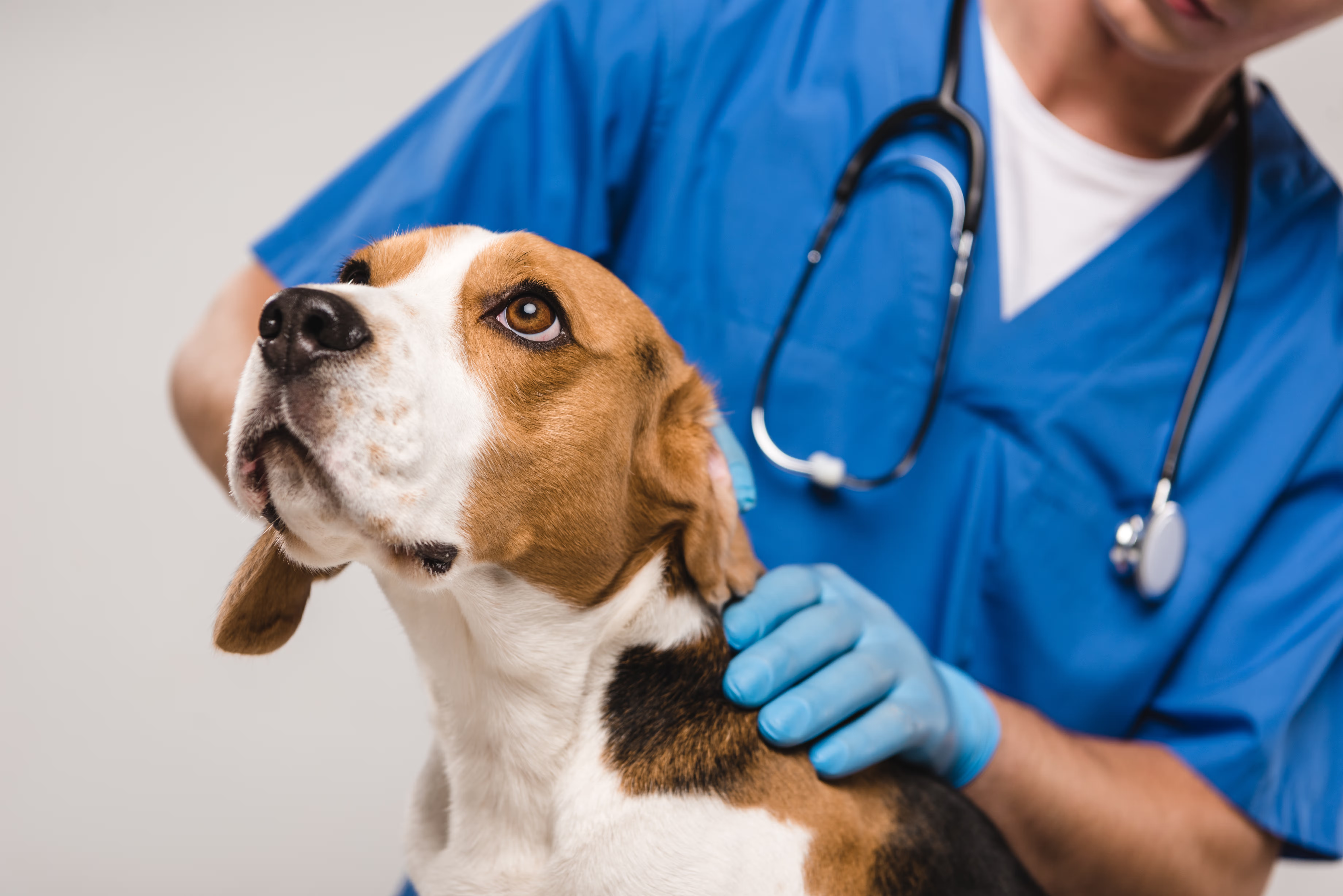
- Animal Inspection: The veterinarian performs a thorough physical examination of the animals to assess their health status and confirm they are free from signs of contagious diseases.
- Verification of Identification, Vaccinations, and Tests: The veterinarian verifies the animals’ identification and reviews their vaccination records, as well as any required test results. Any necessary vaccinations or tests must be completed before issuing the CVI.
- Completion of the CVI: The veterinarian completes the CVI form, accurately filling in all required information based on the inspection and animal records.
- Veterinarian’s Signature: The accredited veterinarian signs the CVI, certifying the accuracy of the information and the animals’ health status at the time of inspection.
- Distribution of Copies: Copies of the CVI are typically provided to the animal owner or transporter, the issuing veterinarian, and relevant animal health officials in both the origin and destination.
The Importance of CVIs
Certificates of Veterinary Inspection serve multiple critical purposes in the realm of animal health and movement:
Disease Prevention and Control
By requiring veterinary inspection and documentation of health status, CVIs help prevent the spread of infectious and contagious diseases between different geographic areas and among animal populations.
Compliance with Regulations
These regulations safeguard animal health within each jurisdiction and facilitate the safe trade and transport of animals.
Animal Traceability
In a disease outbreak, CVIs help animal health officials quickly trace animal movements to identify potential exposure points and contain the spread of disease.
Facilitating Safe Travel and Trade
For animal owners, transporters, and buyers, a CVI assures that the animals they are moving or receiving have met health standards, reducing the risk of introducing illness into their animals or premises.
Protecting Public Health
Certain animal diseases can be transmitted to humans, known as zoonotic diseases. By controlling the movement of potentially infected animals, CVIs play a role in protecting public health.
Types of Certificates of Veterinary Inspection
There can be variations in CVI forms and requirements based on the type of animal and the destination:
Interprovince CVIs
Required for animals moving from province to province. These must comply with the regulations of both the originating and destination areas.
International Health Certificates (IHCs)
Required for animals travelling to foreign countries. These are often more complex, requiring specific testing, treatments, and endorsements from government agencies in addition to the accredited veterinarian’s signature. The importing country sets international requirements and can be very specific.
Common Misconceptions about CVIs
Several misconceptions exist regarding Certificates of Veterinary Inspection:
- A CVI guarantees lifelong health. It certifies the animal’s health status at the time of examination. However, it does not guarantee that the animal will not develop an illness after the inspection, as diseases can have incubation periods.
- Any veterinarian can issue a CVI for travel within or outside the country. However, for interprovincial and international movement, the veterinarian must be federally accredited and licensed in their country of origin.
- One CVI is valid for multiple destinations: Generally, a CVI is valid for a single movement from a specified origin to a specified destination. Travel to multiple destinations typically requires separate documentation or specific endorsements.
- CVIs are only for livestock: CVIs are required for a wide range of animals, including companion animals such as dogs and cats, horses, livestock (cattle, sheep, goats, swine), poultry, exotic animals, and even some aquatic species, depending on the specific regulations.
Conclusion
Certificates of Veterinary Inspection are indispensable documents in the responsible movement of animals. They are a cornerstone of animal health regulations, preventing the spread of diseases, ensuring compliance with legal requirements, and facilitating safe travel and trade.
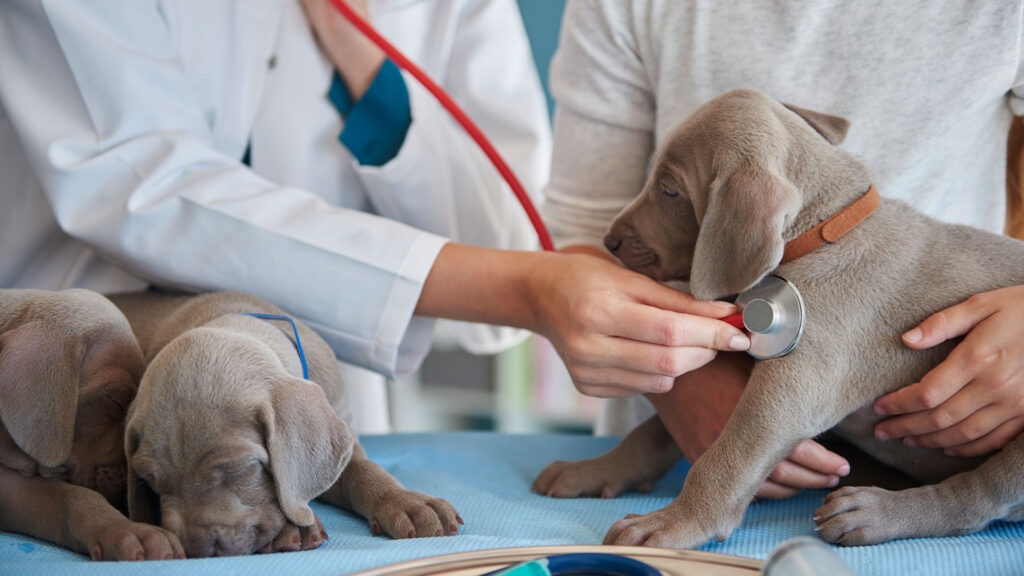
By working closely with accredited veterinarians and adhering to regulatory requirements, individuals involved in animal transport uphold a standard of care that benefits all.
FAQs About CVIs
What is the primary purpose of a Certificate of Veterinary Inspection?
The primary purpose is to certify that an accredited veterinarian has inspected the animals and found them free from clinical signs of infectious, contagious, or communicable diseases, ensuring they meet the health requirements for movement or participation in events.
How long is a typical CVI valid?
A CVI is generally valid for 30 days from the date of the veterinary inspection, although the validity period can vary depending on the destination’s regulations.
Can any veterinarian issue a CVI?
No, for local and international animal movement, the veterinarian issuing the CVI must be licensed in the area of origin and also be federally accredited.
What information is essential to include on a CVI?
Key information includes details about the consignor and consignee, a description and identification of the animals, a veterinarian’s statement of health, vaccination records, test results (if applicable), the purpose of the movement, and the origin and destination of the animals.
Are CVIs required for all types of animals?
CVI requirements depend on the animal species, the destination, and the purpose of movement. When travelling across provinces or international borders or participating in certain events, they are required for many animals, not just livestock, including many companion animals.