

Best Practices for Maintaining Veterinary Anesthesia Machines: A Practical Guide for Canadian Clinics
You know how crucial your anesthesia machine is for every procedure. Skipping regular veterinary anesthesia machine maintenance puts patient safety and equipment uptime at risk. This guide breaks down daily, weekly, and annual care steps that help keep your clinic running smoothly—and how Intriquip supports your team with expert service and training. For more detailed guidance, you can refer to this resource.
Daily Maintenance Essentials
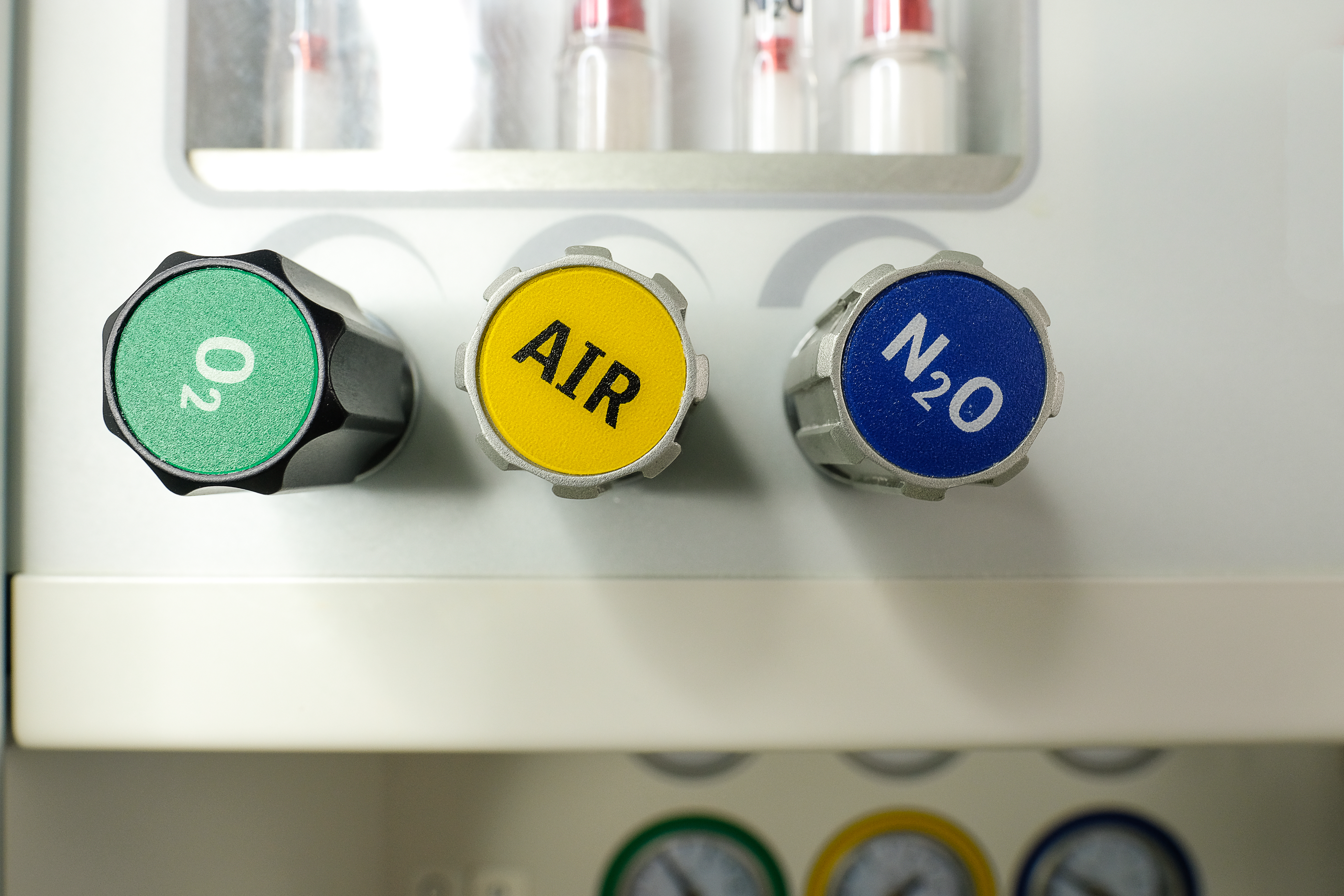
Starting each day with a quick maintenance routine ensures your anesthesia machine is ready when you need it. These steps are simple but crucial.
Daily Equipment Check
Every morning, inspect your machine carefully. Pay attention to wires, hoses, and connections. A small issue now can turn into a big problem later. Check for wear, and replace anything that looks damaged. Make sure to review manufacturer guidelines for specific advice tailored to your machine model.
Soda Lime Change Frequency
Changing soda lime regularly is vital for maintaining effective CO2 absorption. Keep an eye on the color indicator; when it changes, it’s time to swap it out. Typically, you should replace soda lime every few days or if you notice any color change. Frequent changes prevent issues with anesthesia delivery. For more on this, see detailed guidelines here.
Anesthesia Machine Leak Test
Performing a leak test is another daily must-do. This ensures your machine is delivering anesthesia safely and effectively. Follow these steps for a basic leak test:
-
Seal the breathing circuit.
-
Pressurize the system to around 30 cm H2O.
-
Monitor for pressure drop over a minute.
A steady pressure indicates no leaks. Address any leaks immediately to ensure patient safety. Comprehensive guidance is available here.
Weekly Anesthesia Checks
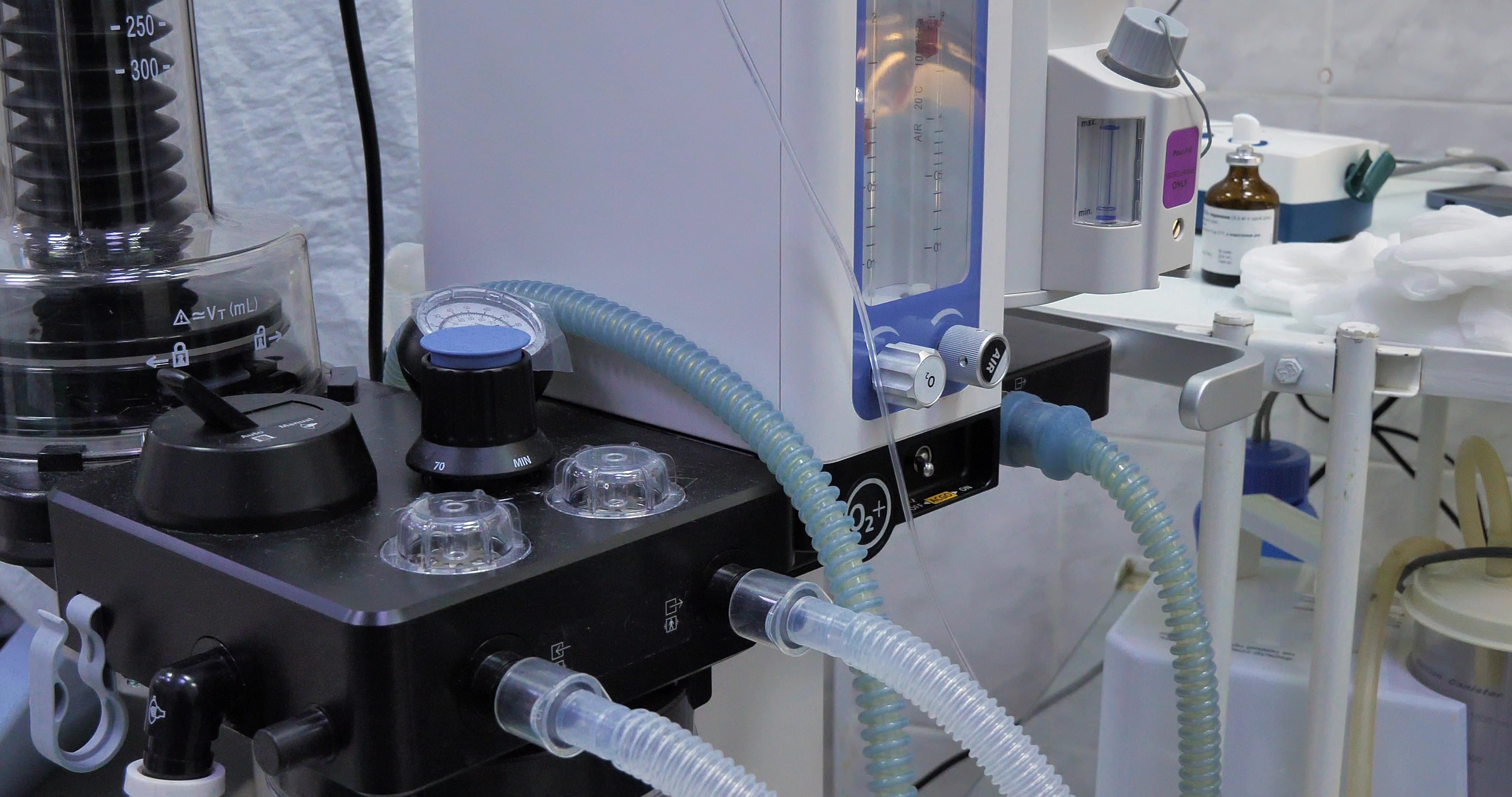
In addition to daily tasks, weekly checks focus on components that require less frequent attention but are equally important.
Oxygen Flowmeter Maintenance
A clean oxygen flowmeter ensures accurate readings. Every week, check for dust or debris and clean it gently to prevent blockages. If the needle doesn’t move smoothly, it may be time for a more thorough cleaning or replacement. Maintaining this component helps keep your oxygen supply consistent.
Scavenging System Check
Your scavenging system plays a critical role in removing waste gases. Inspect it weekly to ensure nothing is clogged or leaking. Make sure all connections are secure and that the system operates without unusual noise. Proper function of the scavenging system protects both staff and patients from exposure to waste gases.
Annual Service and Calibration
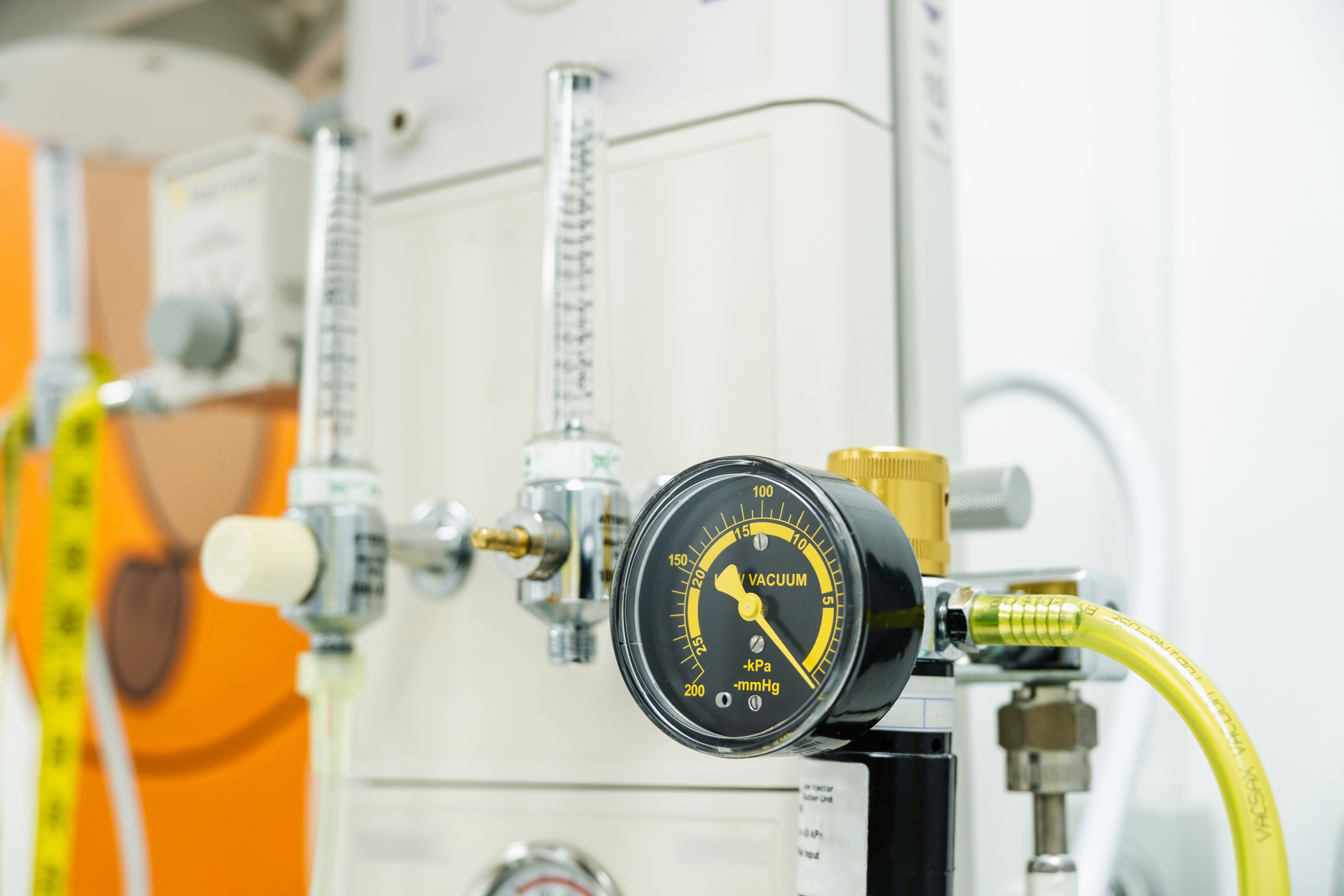
Yearly maintenance is about deep service and calibration to keep your machine in peak condition.
Vaporizer Calibration Services
A well-calibrated vaporizer ensures accurate anesthesia delivery. Regular calibration is key for patient safety, minimizing the risk of overdose or insufficient anesthesia. Intriquip offers professional vaporizer calibration, ensuring your equipment meets high standards. For more details on the calibration process, explore this resource.
Comprehensive Preventive Maintenance
Annual preventive maintenance involves a complete check-up of your anesthesia machine. This service includes inspecting all parts, replacing worn components, and ensuring all systems work together seamlessly. Intriquip’s expert technicians can help keep your machine reliable, supporting your clinic’s commitment to excellent care.
