Tag: scavenging system check

Best Practices for Maintaining Veterinary Anesthesia Machines: A Practical Guide for Canadian Clinics

featured image 1770044477 scaled

Best Practices for Maintaining Veterinary Anesthesia Machines: A Practical Guide for Canadian Clinics

You know how crucial your anesthesia machine is for every procedure. Skipping regular veterinary anesthesia machine maintenance puts patient safety and equipment uptime at risk. This guide breaks down daily, weekly, and annual care steps that help keep your clinic running smoothly—and how Intriquip supports your team with expert service and training. For more detailed guidance, you can refer to this resource.

Daily Maintenance Essentials
anesthetic machine 01091016621d15b93359

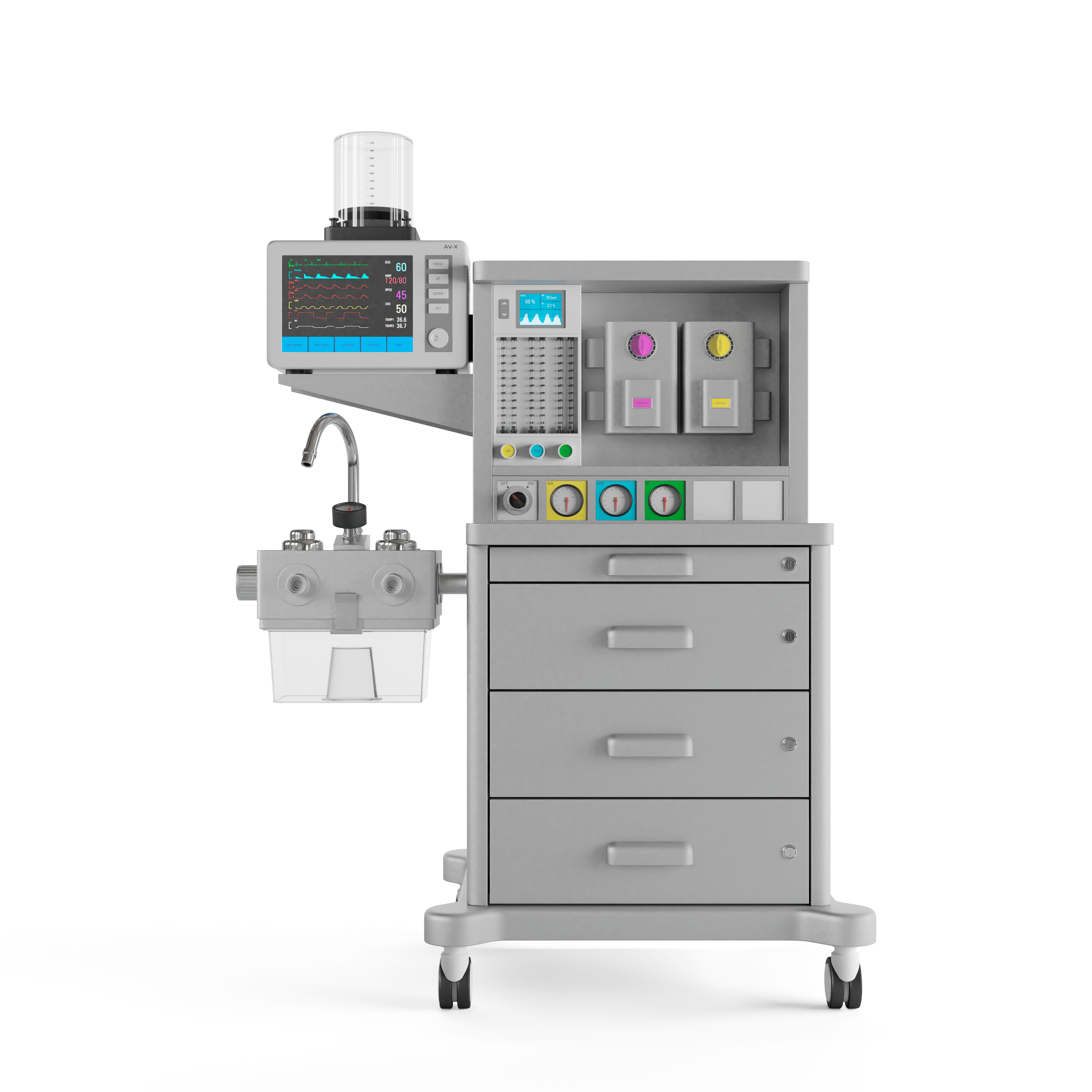
Starting each day with a quick maintenance routine ensures your anesthesia machine is ready when you need it. These steps are simple but crucial.

Daily Equipment Check

Every morning, inspect your machine carefully. Pay attention to wires, hoses, and connections. A small issue now can turn into a big problem later. Check for wear, and replace anything that looks damaged. Make sure to review manufacturer guidelines for specific advice tailored to your machine model.

Soda Lime Change Frequency

Changing soda lime regularly is vital for maintaining effective CO2 absorption. Keep an eye on the color indicator; when it changes, it’s time to swap it out. Typically, you should replace soda lime every few days or if you notice any color change. Frequent changes prevent issues with anesthesia delivery. For more on this, see detailed guidelines here.

Anesthesia Machine Leak Test

Performing a leak test is another daily must-do. This ensures your machine is delivering anesthesia safely and effectively. Follow these steps for a basic leak test:

  1. Seal the breathing circuit.

  2. Pressurize the system to around 30 cm H2O.

  3. Monitor for pressure drop over a minute.
    A steady pressure indicates no leaks. Address any leaks immediately to ensure patient safety. Comprehensive guidance is available here.

Weekly Anesthesia Checks
artificial lung ventilation apparatus works in sur 584adfc1ee89702838eb

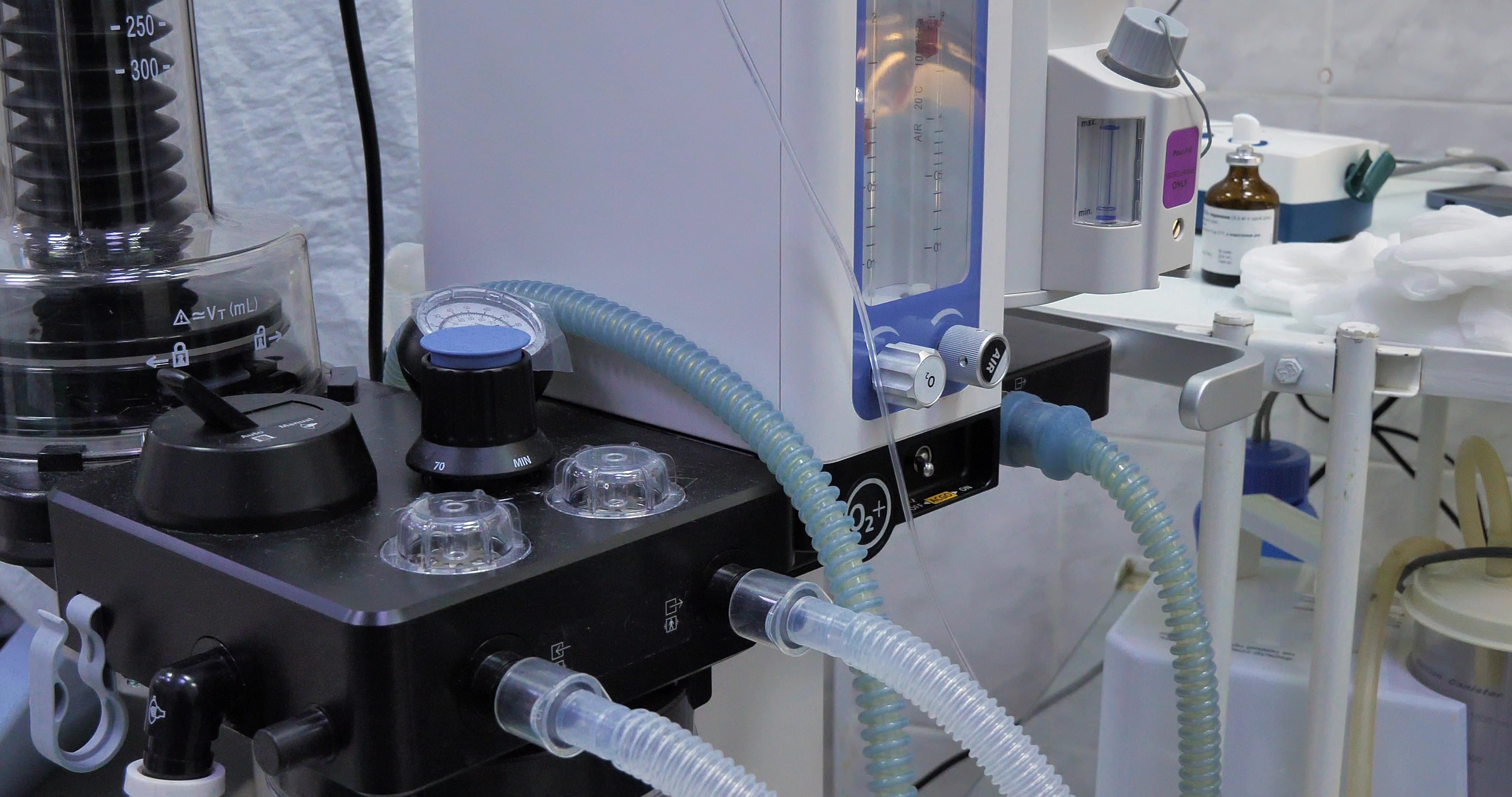
In addition to daily tasks, weekly checks focus on components that require less frequent attention but are equally important.

Oxygen Flowmeter Maintenance

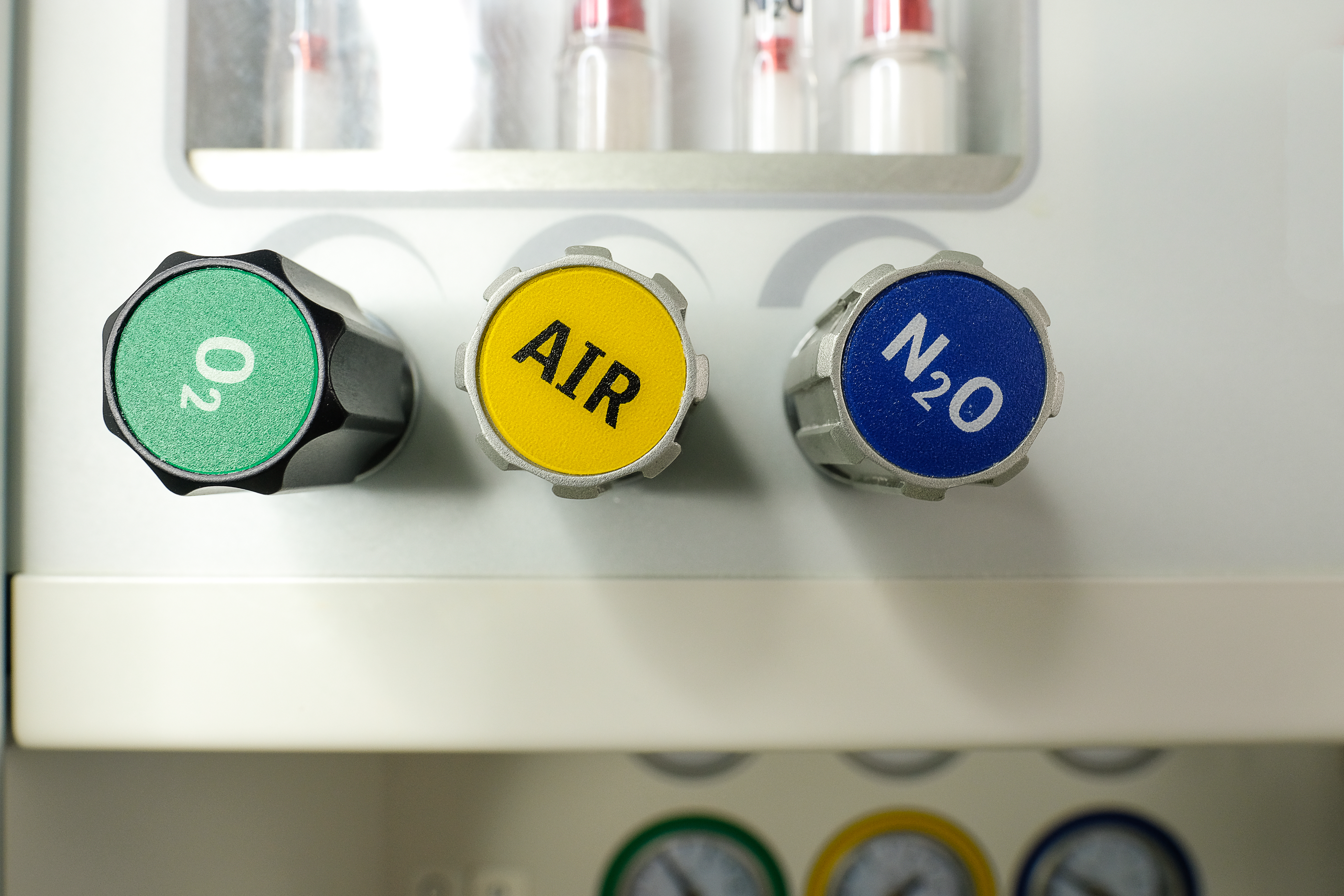
A clean oxygen flowmeter ensures accurate readings. Every week, check for dust or debris and clean it gently to prevent blockages. If the needle doesn’t move smoothly, it may be time for a more thorough cleaning or replacement. Maintaining this component helps keep your oxygen supply consistent.

Scavenging System Check

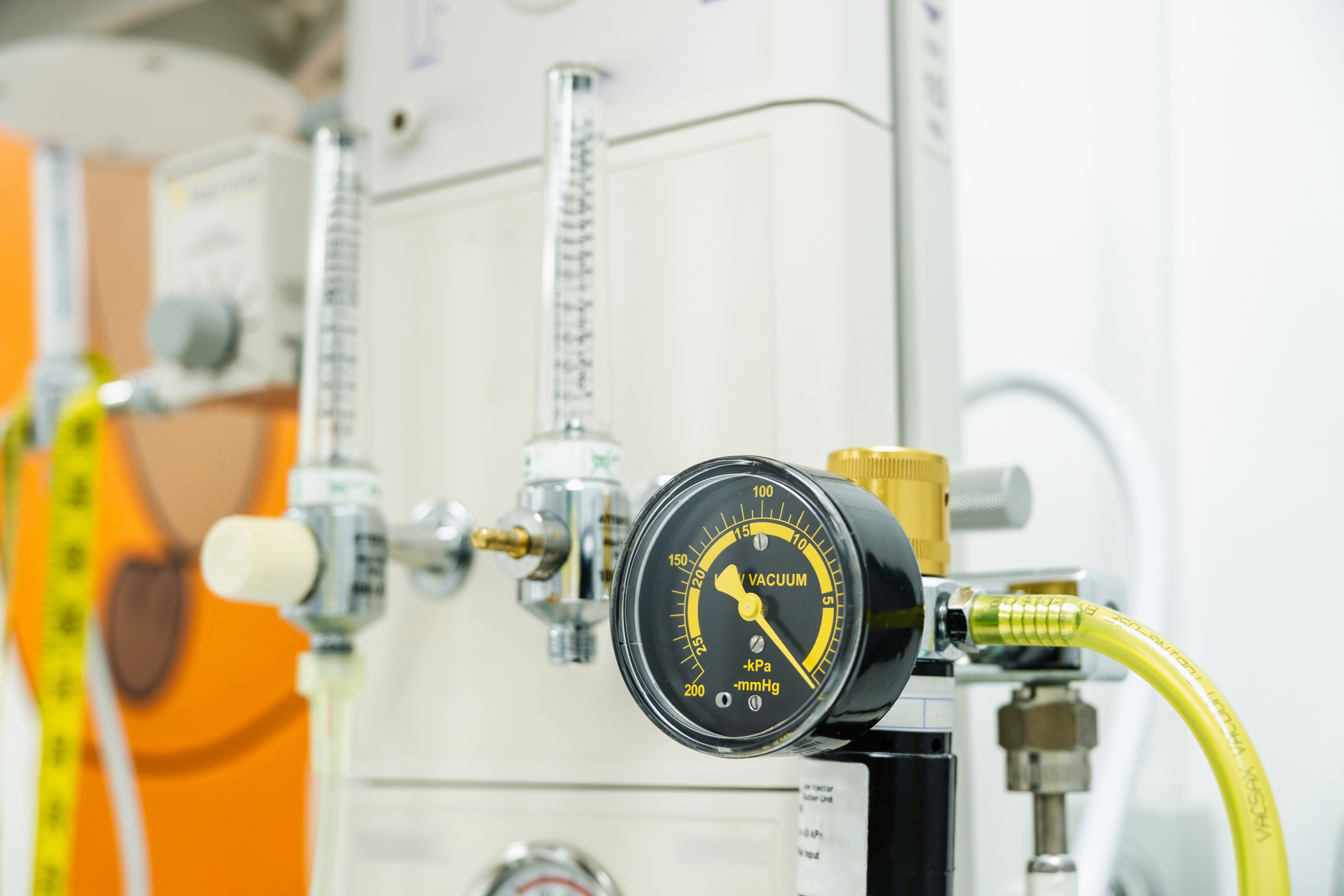
Your scavenging system plays a critical role in removing waste gases. Inspect it weekly to ensure nothing is clogged or leaking. Make sure all connections are secure and that the system operates without unusual noise. Proper function of the scavenging system protects both staff and patients from exposure to waste gases.

Annual Service and Calibration
close up of a vacuum gauge displaying negative pre 815258f750a5734f1c73

Yearly maintenance is about deep service and calibration to keep your machine in peak condition.

Vaporizer Calibration Services

A well-calibrated vaporizer ensures accurate anesthesia delivery. Regular calibration is key for patient safety, minimizing the risk of overdose or insufficient anesthesia. Intriquip offers professional vaporizer calibration, ensuring your equipment meets high standards. For more details on the calibration process, explore this resource.

Comprehensive Preventive Maintenance

Annual preventive maintenance involves a complete check-up of your anesthesia machine. This service includes inspecting all parts, replacing worn components, and ensuring all systems work together seamlessly. Intriquip’s expert technicians can help keep your machine reliable, supporting your clinic’s commitment to excellent care.

Maximizing the Lifespan and Reliability of Veterinary Anesthesia Machines: A Practical Guide for Canadian Clinics

featured image 1769457680 scaled

Maximizing the Lifespan and Reliability of Veterinary Anesthesia Machines: A Practical Guide for Canadian Clinics

You rely on your anesthesia machines every day, yet unexpected breakdowns can disrupt your clinic’s flow and patient safety. Poor maintenance often shortens their lifespan and drives up repair costs, leaving your team scrambling. In this guide, you’ll find straightforward strategies for veterinary anesthesia machine maintenance that help keep your equipment running reliably, reduce downtime, and protect your investment. Let’s explore how simple steps can extend your anesthesia machine lifespan and safeguard your practice. For more insights, visit this guide on maintaining veterinary anesthesia equipment.

Essential Maintenance Practices

anesthesia machine with ventilator tubing and cont 5158c36f53613db2f2d2

Getting the most out of your anesthesia machines starts with consistent maintenance. Regular upkeep not only extends their lifespan but also ensures safety for your patients and staff.

Daily Equipment Checks

Begin your day by performing simple equipment checks. These checks can prevent unexpected failures mid-procedure. Look for any visible damage, check connections, and ensure the machine is clean. Use a checklist to avoid missing steps.

Daily checks are crucial because they catch small issues before they become big problems. If you spot a loose connection or hear an unusual noise, address it immediately. This proactive approach keeps your practice running smoothly and safely.

Scheduled Service Intervals

Alongside daily checks, schedule regular service intervals. These are more in-depth assessments done by professionals. A technician will inspect internal components, ensuring everything is in top shape.

Regular servicing is like a health check-up for your equipment. It can reveal wear and tear that might not be visible during daily checks. Scheduling these intervals prevents costly repairs down the line, saving you both time and money.

Anesthesia Machine Troubleshooting

Sometimes, despite regular maintenance, issues might arise. Knowing basic troubleshooting steps can be invaluable. If a problem occurs, check the manual for guidance. Often, a simple fix can solve the issue.

Troubleshooting skills empower your team to handle minor hiccups without panic. Most problems have straightforward solutions, like replacing a filter or reconnecting a hose. Keeping your manual handy ensures you’re always prepared.

Enhancing Equipment Reliability

anesthesia respiratory apparatus against a white b 8bfc4956c724d9d74f99

Once you’ve established a solid maintenance routine, focus on enhancing equipment reliability. This ensures smooth operation and patient safety during each procedure.

Importance of Vaporizer Calibration

A well-calibrated vaporizer is key to delivering accurate anesthesia. Calibration should be checked regularly and adjusted as needed. This step ensures your patients receive the right dosage every time.

Vaporizers can drift out of calibration over time. As a result, they might deliver too much or too little anesthesia. Regular checks keep your equipment precise, ensuring both safety and effectiveness. For more detailed guidance, explore this article on vaporizer calibration.

Performing Anesthesia Leak Tests

Leak tests are another critical component of reliability. Before each use, perform a leak test to ensure there are no gas leaks. This simple test can prevent serious safety issues.

Conducting a leak test involves checking the integrity of seals and connections. If you find any leaks, address them immediately. A quick fix now can prevent bigger problems later, protecting both your team and patients.

CO2 Absorber and Scavenging System

Regularly replace the CO2 absorber to maintain efficiency. An old or saturated absorber affects the machine’s performance. Also, check the scavenging system to ensure it’s functioning correctly.

A functioning scavenging system reduces the risk of gas exposure to the staff. By maintaining these components, you ensure a safe environment for everyone in the clinic. For further insights on this topic, visit this comprehensive guide on equipment inspections.

Partnering for Long-term Success

exam room in vet clinic 7056c6e9ad1336516cb6

To guarantee long-term success, consider partnering with a trusted service provider. This relationship can help you maintain your equipment efficiently and reduce unexpected downtime.

Benefits of Preventive Maintenance

Preventive maintenance is the best way to avoid unexpected failures. By regularly servicing your equipment, you catch potential issues early, prolonging the lifespan of your machines.

Preventive maintenance isn’t just about fixing problems; it’s about preventing them. Regular check-ups and timely interventions keep your machines running smoothly and safely. This approach ultimately saves you money by reducing emergency repairs. For more tips, check out 5 essential tips for anesthesia equipment maintenance.

Intriquip Instruments Support Services

Intriquip offers a range of support services tailored to your clinic’s needs. From repairs to parts and training, we ensure your equipment remains reliable and efficient.

Choosing Intriquip as your partner means having expert support at your fingertips. Our team is ready to assist with any issues, ensuring minimal disruption to your clinic’s operations. With over 30 years in the industry, we are your trusted partner in equipment care.

Upgrades and Training Opportunities

Stay ahead by upgrading your equipment and training your staff. Up-to-date equipment and knowledgeable staff are vital for providing top-notch care.

By investing in training and upgrades, you ensure your clinic operates at its best. Staff training enhances their skills in handling new equipment, while upgrades offer the latest technology for improved care. Together, these investments pay off in efficiency and patient satisfaction.

In conclusion, maintaining your anesthesia machines doesn’t have to be overwhelming. With a combination of daily checks, scheduled maintenance, and a reliable partner like Intriquip, your equipment will support your clinic for years to come.

Learn more about our current o