
Avoiding Common Pitfalls in Selecting Veterinary Diagnostic Tools: A Guide for Clinics
Choosing the right veterinary diagnostic tools can be tricky—and costly if you miss the mark. Many clinics face setbacks from equipment that doesn’t fit their needs or lacks proper support. With over 30 years helping Canadian clinics, Intriquip Instruments knows the common pitfalls and how to avoid them. Keep reading to learn practical tips that will guide you through confident clinic equipment selection, from veterinary x-ray to ultrasound systems. For more insights, check out this guide.
Understanding Diagnostic Needs
When it comes to selecting the right diagnostic tools, understanding your clinic’s specific needs is crucial. This involves a careful assessment of your current equipment and consideration of new options.
Assessing Clinic Requirements
To make informed choices, start by evaluating your clinic’s unique requirements. Consider the size of your practice and the types of cases you frequently handle. Do you see more routine check-ups or complex surgical cases? Understanding this will help tailor your equipment choices to your patients’ needs.
Next, assess your current toolset. Are there any gaps that need filling? Speak with your staff to get their input on what tools they feel are missing or need updating. Their firsthand experience can provide valuable insights into daily operational challenges.
Finally, plan for growth. Your clinic may expand or change focus over time. Anticipating future needs can prevent the hassle of frequent upgrades. This proactive approach ensures your clinic is equipped for both current demands and future developments.
Evaluating Common Tool Types
Once you’ve assessed your needs, it’s time to explore different types of diagnostic tools. Veterinary x-ray machines and ultrasound systems are staples, but there are many variations to consider.
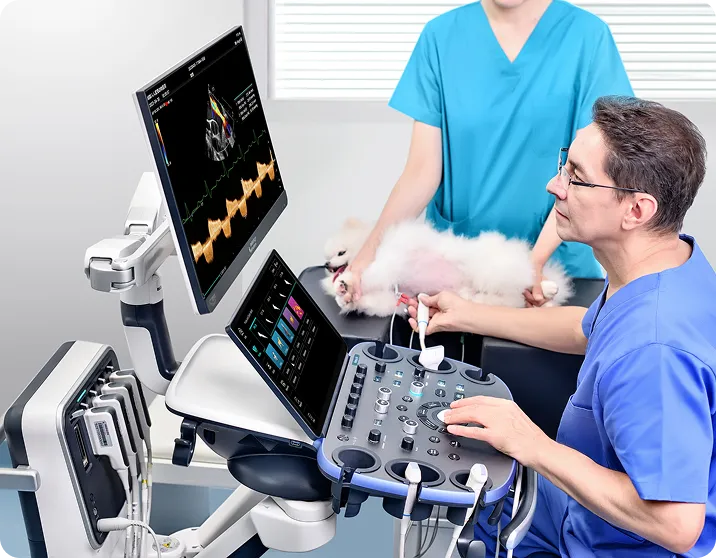
For instance, x-ray equipment can range from basic to advanced digital systems. Each comes with its own set of features and price points. Consider what fits best with your clinic’s workflow and budget. Ultrasound systems, on the other hand, offer portability and versatility. They can be particularly beneficial for clinics with limited space or those that require mobile solutions.
Remember that the right tool isn’t always the most sophisticated. Sometimes, a simpler model may perform equally well for specific tasks. It’s about finding the balance between functionality and practicality. For more detailed insights, you can read about common challenges faced by vet hospitals.
Avoiding Selection Mistakes

Choosing the wrong equipment can lead to costly setbacks. It’s essential to be aware of common pitfalls and how to avoid them.
Mismatched Equipment Features
One frequent mistake is purchasing equipment with features that don’t align with your clinic’s needs. This often stems from being swayed by the latest technologies without considering their applicability.
Start by defining the core functionalities your clinic requires. Does a particular feature enhance patient care or streamline operations? If not, it might be an unnecessary expense. Consult with your team to prioritize which features are essential and which are optional.
Moreover, compare different models and brands. A more affordable option might offer the same benefits as a pricier alternative. It’s about finding the right fit for your clinic’s needs and budget. For additional guidance, check out this article on mistakes to avoid when choosing a veterinarian.
Lack of Vendor Support
Another common issue is inadequate support from vendors. Even the best equipment can fall short without proper backing. Choosing a supplier who offers comprehensive support is key to avoiding headaches down the line.
Investigate potential vendors before purchasing. Do they provide ongoing maintenance and repairs? Are they easily reachable for troubleshooting? A reliable vendor should offer more than just a purchase—they should be a partner in your clinic’s success.
Additionally, consider their reputation in the industry. A company with a proven track record of customer satisfaction is more likely to meet your expectations. For tips on getting the most from your laboratory tools, see this valuable resource.
Making Informed Choices
Arming yourself with the right information leads to better decisions. Here’s how you can ensure your clinic makes informed choices.
Researching Trusted Brands
When it comes to choosing diagnostic tools, trusting reliable brands is crucial. Intriquip Instruments stands as a reputable choice, known for their quality and service in the Canadian veterinary market.
Start by researching the brands that have a strong presence in your region. Look for reviews from other clinics and professionals. Positive feedback often indicates reliability and effectiveness. Be wary of brands with limited information or poor customer reviews.
Comparing top brands can also help highlight differences in features, warranties, and customer service. This comprehensive approach ensures you’re investing in tools that will serve your clinic well for years to come.
Consulting with Industry Experts
Don’t underestimate the value of consulting with industry experts. Their insights can save you from costly mistakes and guide you towards the best choices.
Reach out to colleagues or professional associations for recommendations. They might have firsthand experience with the equipment you’re considering. Additionally, attending industry conferences or workshops can expose you to the latest advancements and trends.
Another valuable step is partnering with a trusted supplier like Intriquip Instruments. With over 30 years of experience, they offer personalized advice tailored to your clinic’s specific needs. This partnership ensures you have expert guidance every step of the way.
By evaluating your needs, avoiding common mistakes, and seeking expert advice, you can make confident decisions in selecting the right diagnostic tools for your clinic.
