

Top Maintenance Tips to Extend the Life of Your Anesthesia Machines
Your anesthesia machines work hard every day, yet routine upkeep often slips down the priority list. Without proper veterinary equipment maintenance, wear and tear can shorten their lifespan and affect your clinic’s smooth operation. In this post, you’ll find practical tips to extend equipment life and keep your anesthesia machines running reliably—because caring for your clinic equipment is caring for your patients. For more detailed tips, visit this link.
Routine Maintenance Essentials
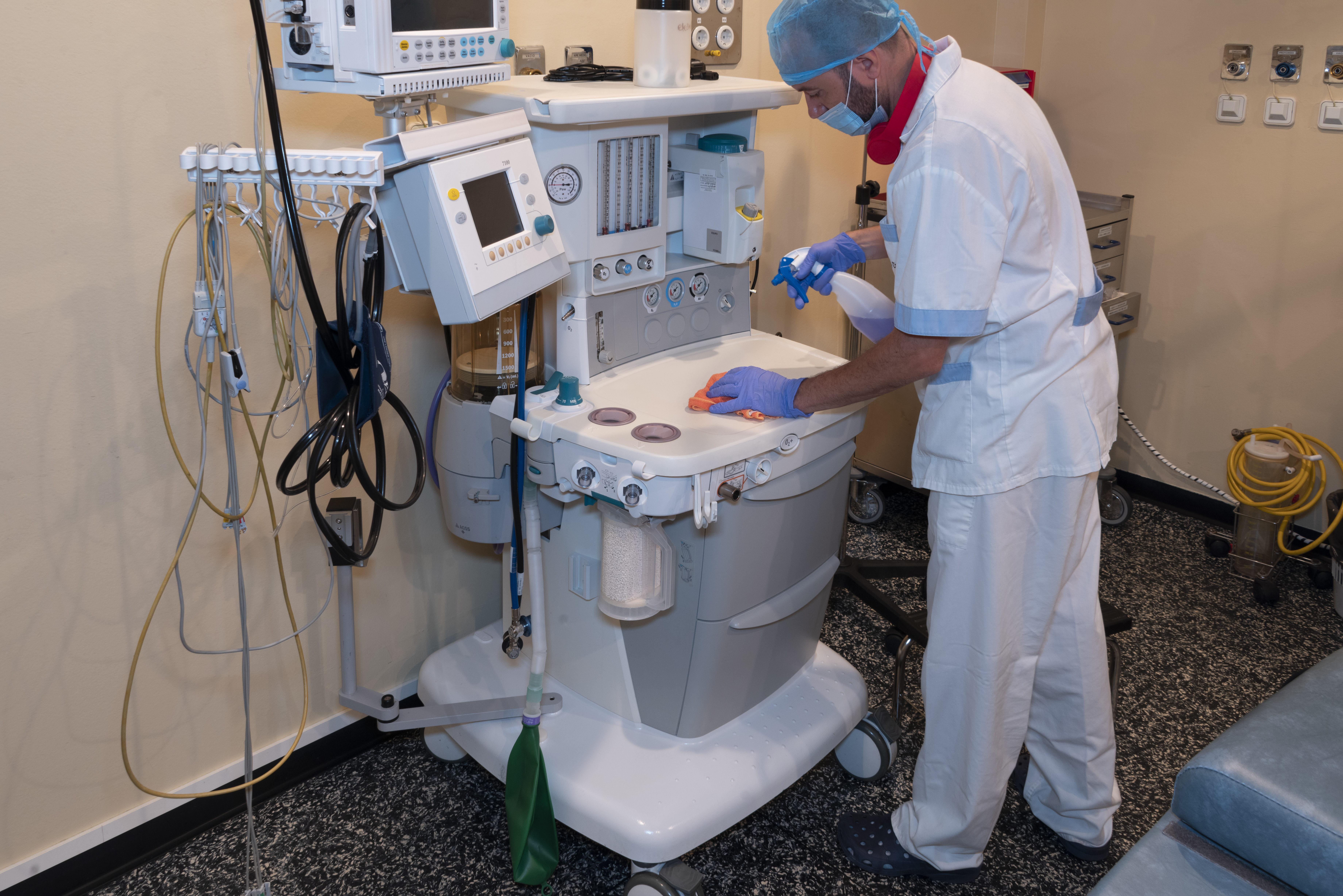
Ensuring your anesthesia machines are in top shape requires consistent attention. Let’s look at key maintenance tasks that can make a huge difference.
Cleaning and Inspection
Regular cleaning and inspection are your first line of defense against equipment failure. Dust and debris can accumulate quickly, impacting machine performance. Set up a daily schedule for basic cleaning, focusing on removing particles from vents and surfaces. For example, using a soft cloth and gentle cleaning solution can prevent buildup without damaging sensitive components.
Weekly inspections should target the machine’s connections and hoses, checking for any visible signs of wear or damage. Spotting a small crack early can prevent a major issue down the road. Consistent routines not only protect your investments but also ensure dependable operation when your patients need it most.
Calibration and Testing
Calibration keeps your machines delivering precise anesthesia levels. Schedule monthly checks to verify that all settings are accurate. You can use calibration kits or hire professional services to get this done.
Testing your machines is equally important. Perform a simple leak test weekly by turning on the machine and checking for any unusual sounds or air loss. Regular testing prevents unexpected failures and ensures your machines are ready for any procedure.
Component Replacement Guidelines
Parts wear out—it’s a fact of life. Knowing when to replace them can prevent larger issues. For instance, replace filters every three months or as specified by the manufacturer. Hoses can become brittle, so inspect them monthly and replace as needed.
Keep a log of replacements to track when parts were last changed. This proactive approach reduces downtime and maintains high performance. Investing in quality replacement parts ensures reliability and extends the life of your machines. For more on component replacement, check this insight.
Preventative Strategies for Longevity
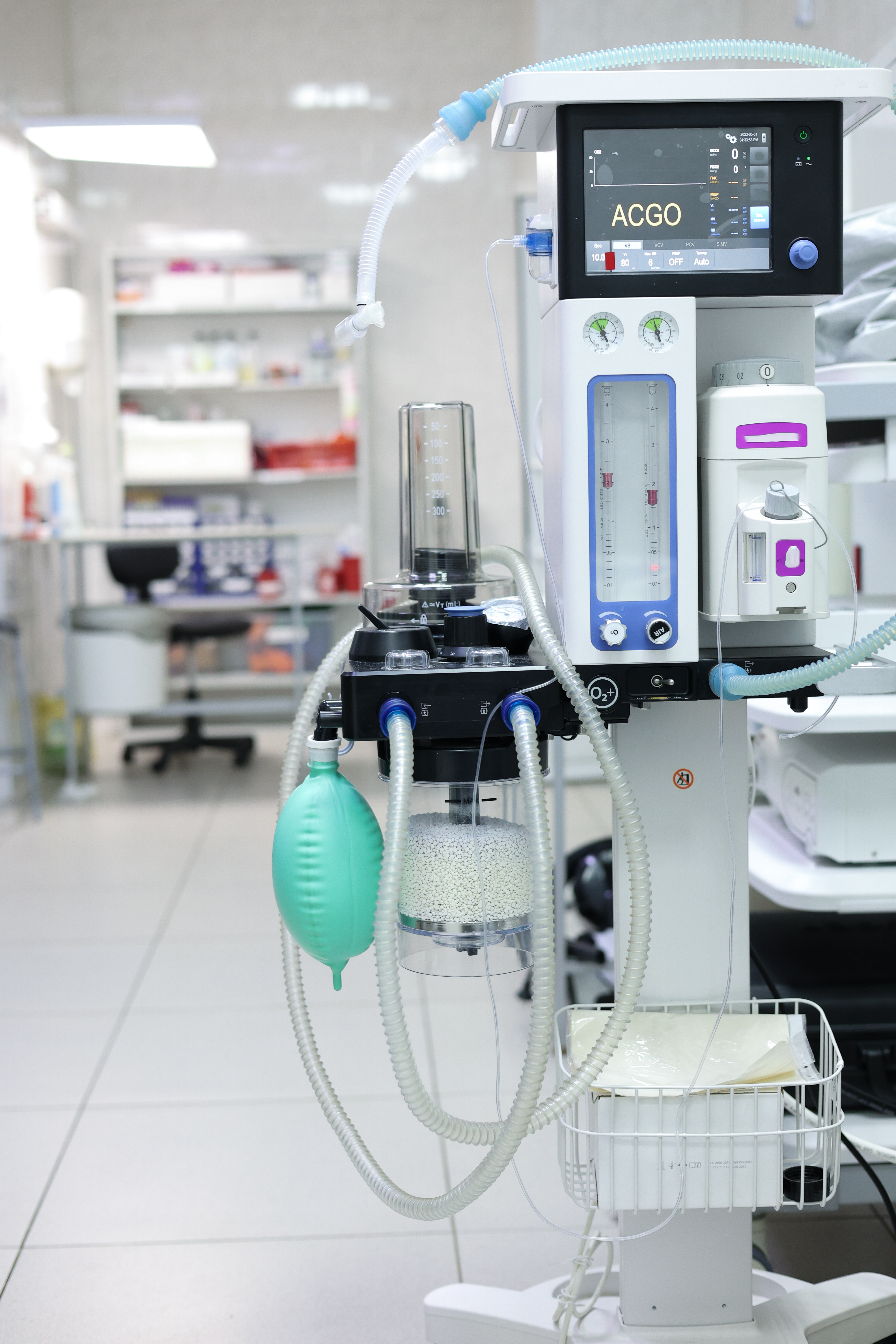
By adopting preventative strategies, you can significantly extend your equipment’s lifespan. Let’s explore how proper storage, professional servicing, and staff training can help.
Proper Storage Techniques
Where and how you store your machines affects their longevity. Store them in a clean, dry area to prevent rust and other damage caused by moisture. Elevating machines off the floor can avoid accidental water exposure during cleaning.
Use covers to protect from dust and debris when machines are not in use. These simple storage practices can dramatically reduce wear and tear, saving you maintenance costs over time.
Regular Professional Servicing
Professional servicing is crucial for maintaining complex equipment like anesthesia machines. Schedule bi-annual check-ups with a certified technician. They can identify issues you might miss and perform more thorough calibrations.
Choosing a reliable service provider ensures consistency and quality. Consider partnering with a company like Intriquip Instruments for trustworthy support. Regular professional maintenance can prevent unexpected failures and extend the life of your equipment. Learn more about the importance of servicing here.
Staff Training and Protocols
Your staff plays a vital role in equipment maintenance. Regular training ensures everyone knows how to use and care for anesthesia machines properly. Create clear protocols for daily and weekly maintenance tasks.
Host workshops or bring in experts for hands-on training sessions. Well-trained staff can quickly identify potential problems, reducing the risk of costly repairs. Investing in training not only boosts confidence but also enhances the overall care you provide. For additional training resources, visit this link.
By following these strategies, you can keep your anesthesia machines in excellent condition, ensuring the best care for your patients.
