
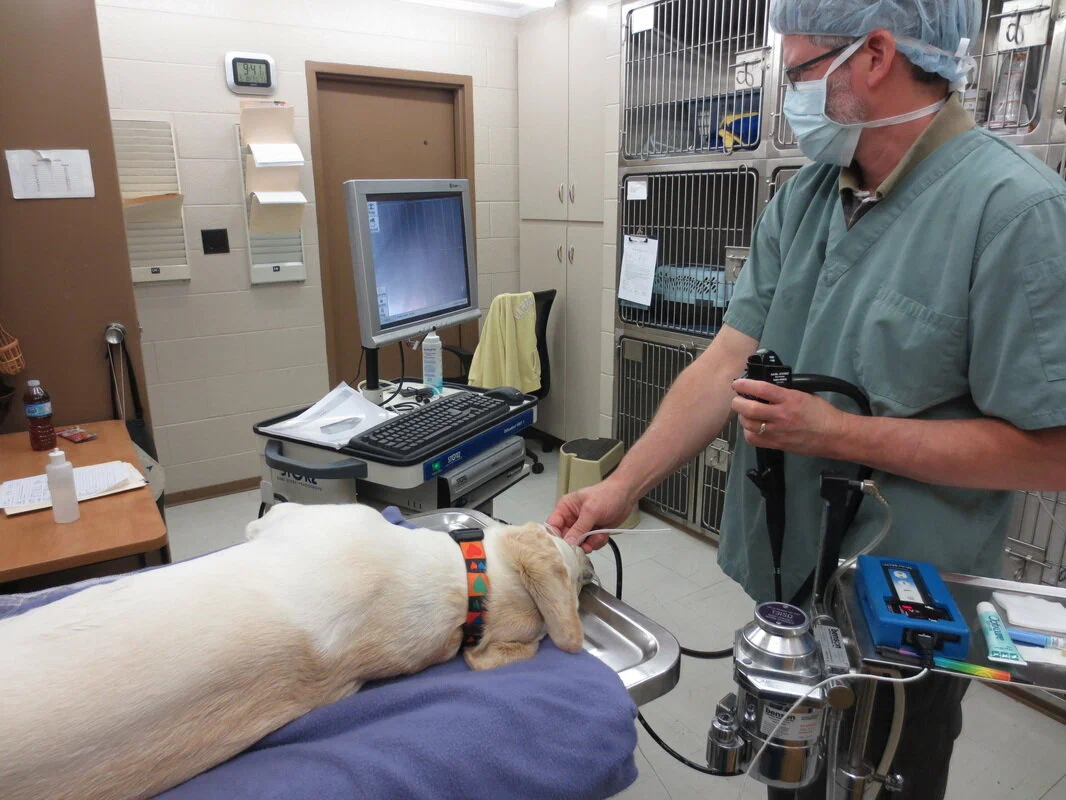
Choosing the right veterinary endoscope system is more than just picking a piece of equipment — it’s about investing in the health and well-being of the animals in your care. The right system can unlock new levels of precision in diagnosing and treating conditions, offering benefits to both practitioners and patients. But with so many options on the market, how do you find the system that truly meets your practice’s needs? That’s where this guide comes in. From understanding essential features to considering your clinic’s unique requirements, we’ll walk you through everything you need to make an informed decision. Whether you’re upgrading your current tools or investing in an endoscope for the first time, this blog will simplify the process and steer you toward the best choice for your practice.
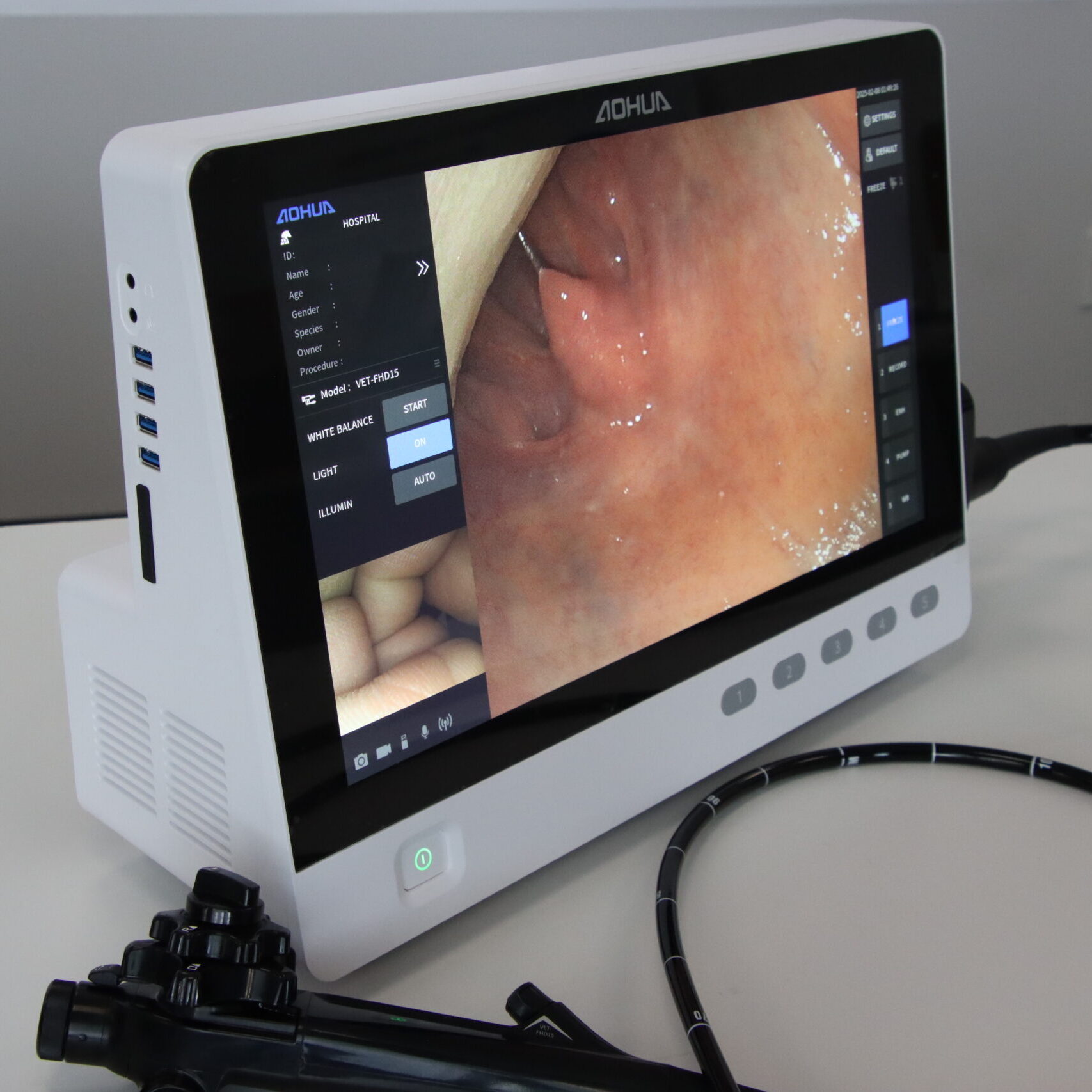
Choosing the Right Veterinary Endoscope System- Factors to Consider
A veterinary endoscope is a vital diagnostic tool that enables veterinarians to visualize the internal anatomy of animals without resorting to invasive surgical procedures. The equipment captures high-definition photos of the animal’s internal anatomy in real-time through a flexible or rigid type tube that has a light source and a camera attached to its tip. Veterinarians can now perform biopsies, diagnose diseases, and even conduct some procedures without making large incisions. Here are a few factors to consider when choosing the right veterinary endoscope system:
Flexible or Rigid:
Deciding between a rigid and a flexible endoscope should be one of your priorities. Flexible endoscopes are multipurpose and can be used for various operations, including urological exams, pulmonary evaluations, and gastrointestinal procedures. They are perfect for inspecting hard-to-reach places, as their pliability allows them to follow the body’s natural curves. In most cases, non-invasive diagnostic procedures are best accomplished with flexible endoscopes.
On the contrary, rigid endoscopes are often reserved for specialized uses, such as orthopedic treatments or joint procedures. While their increased rigidity makes for pinpoint accuracy, it can make them more challenging to handle in tight spaces or around corners. They are commonly employed for diagnostic procedures that require additional precision or specialization.
Size:
You should consider the endoscope’s length as well as its width or diameter when making your choice. In contrast to a practice that treats solely felines, one that treats everything from tiny puppies to large horses may find it helpful to have a range of scope sizes on hand.
The amount of information a veterinarian can view in specific endoscopic investigations is directly proportional to the length of the tube. Similarly, diameter matters equally. There are physical restrictions, such as the fact that a larger scope would not fit through a cat’s tiny nostrils, which is why a smaller veterinary endoscope may be the ideal option. Additionally, there is the issue of tool transmission through the channel. A larger diameter facilitates this, and in some cases, permits the simultaneous use of multiple tools.
Image Quality:
From high-definition digital images to fiber optics, video technology has undergone significant advancements. The greater the clarity of the video and pictures, the more details the practitioner will be able to make out, making this feature extremely important. Precise hues enable enhanced visualization of even the tiniest lesions or inflammation, allowing veterinarians to more easily use instruments and take biopsies with the aid of accurate video orientation.
Light Source:
A crucial component of any veterinary endoscope is the light source. The veterinarian can view the internal structures clearly since the light illuminates the area being checked. The LED lights used by most modern endoscopes provide ample light without overheating the instrument. It is crucial to select an endoscope with a light source that can adequately illuminate the areas to be examined.
Maintenance:
Durability is crucial for veterinary endoscopes, as they are often used in challenging conditions. Select an endoscope that is sturdy enough to withstand regular use, as low-quality models tend to be unreliable and do not last. Hygiene is of the utmost importance in veterinary practice; therefore, make sure the device is easy to clean and maintain. Antibacterial coatings are available on certain endoscopes, which further lessen the likelihood of contamination.
Budget:
Endoscopy equipment requires a significant initial expenditure; nonetheless, it is a strategic investment that yields financial and clinical benefits. And although it’s tempting to invest in cheaper models, in the long run, you can end up paying more for lower-quality equipment. Superior systems offer reduced downtime, extended lifespan, enhanced durability, and sharper visuals and diagnostics, ultimately saving costs on repairs and replacements.
Make a Smart Investment- Buy Top-Tier Endoscope Systems at Intriquip Instruments Inc
Enhancing your practice’s diagnostic and treatment capabilities starts with selecting the right veterinary endoscope. Picking a model with high-quality images, long-term durability, and intuitive controls is essential, regardless of whether you go with a flexible or rigid design. You can make your veterinary office more efficient and productive while also enhancing the quality of treatment you provide to your patients’ pets by purchasing a high-grade veterinary endoscope.
Get in touch with Intriquip Instruments, a frontrunner in the industry of cutting-edge veterinary equipment that improves pet care. To learn more about veterinary endoscopes and select from our range of top-notch products for your profession, please get in touch right away.
Frequently Asked Questions:
How is an endoscope system used at a veterinary practice?
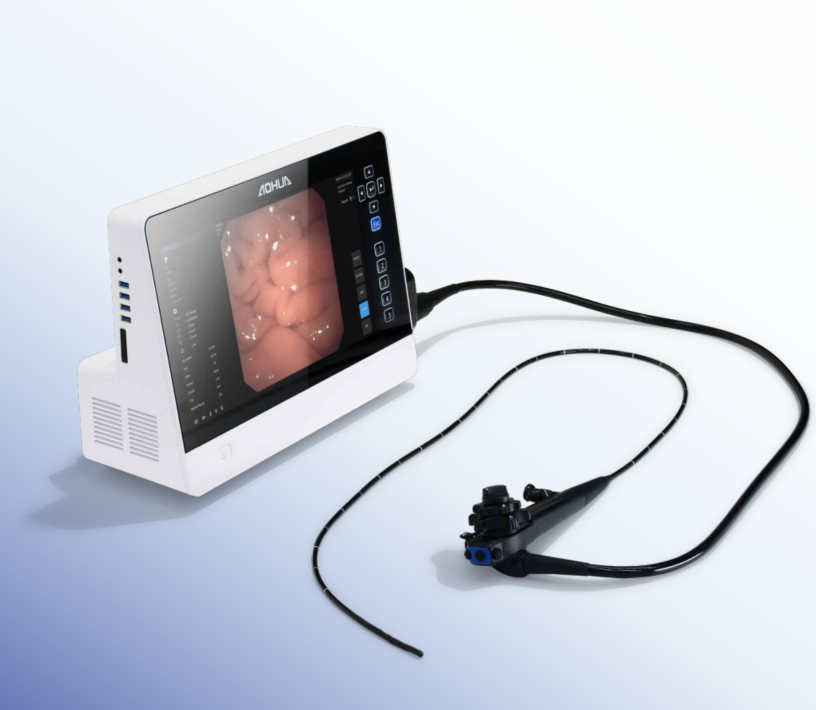
Endoscopy enables the visualization of internal organs and tissues, including those of the digestive tract, urinary system, lungs, nose, and intestines. Animals with gastrointestinal issues, tumors, or infections can be more accurately diagnosed by vets with their help.
How much does a veterinary endoscope cost?
Although an endoscope is considered the most significant purchase for endoscopic investigations, a veterinary clinic is unlikely to purchase a single scope; instead, it will likely buy a complete system or package. A rough estimate will still be helpful while looking for endoscopes. Price estimates from vendors vary from $7,000 $30,000 on average, with the exact range dependent on the system’s features and the scale of the project. Price points may fluctuate above or below this range.
How do I purchase the best endoscope system for my clinic?
It may be helpful for veterinarians to consult with an expert who frequently performs endoscopic investigations before making a purchasing decision. When deciding on a scope, system, and components, experts can give invaluable advice. If possible, try out the equipment at the vendor’s showroom before making a purchase. However, before that, enroll in an endoscopic training course. A veterinarian can have a better understanding of the systems they are checking if they are confident and experienced with operating a scope.
