
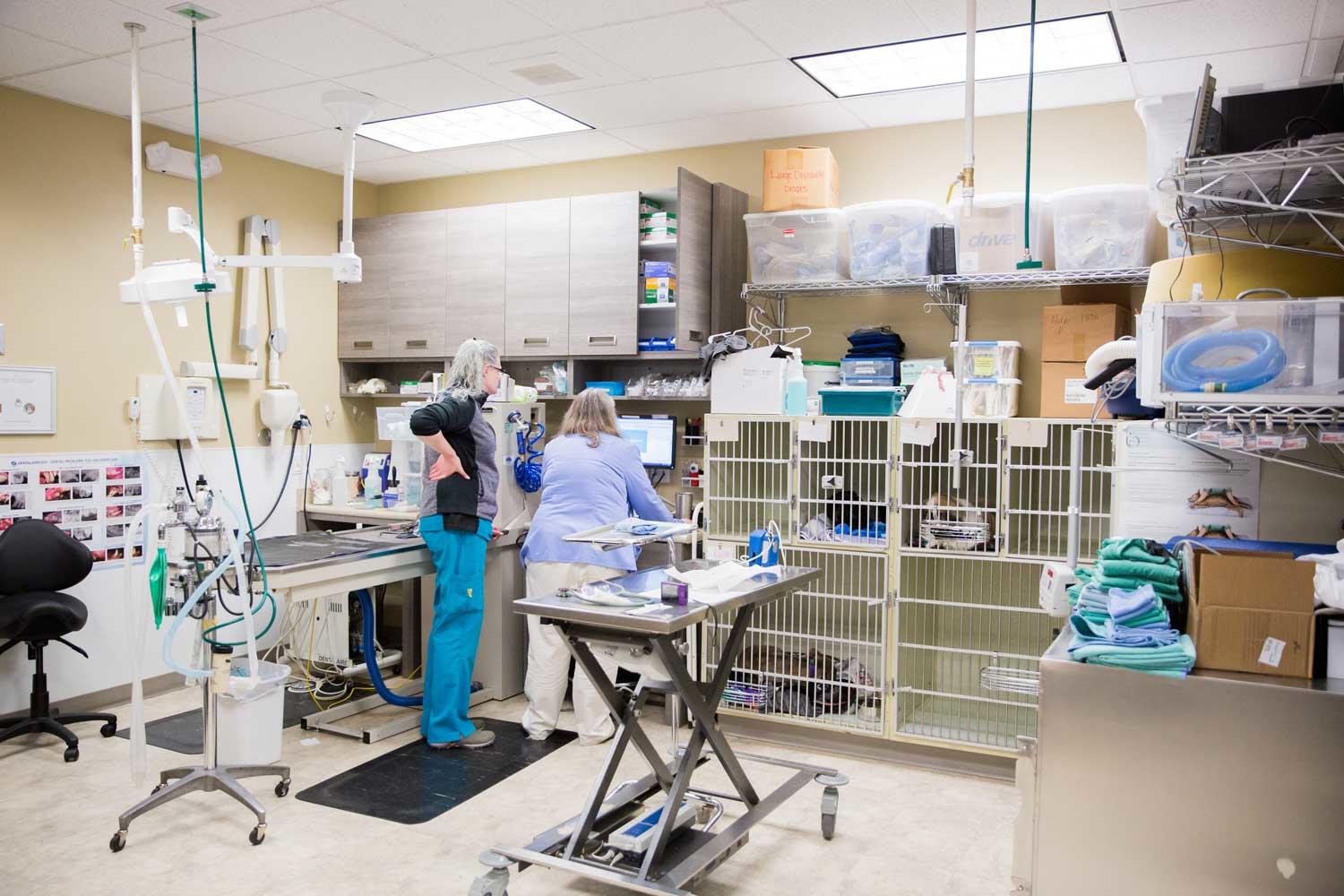
Starting a veterinary clinic requires careful preparation and the right equipment to ensure top-quality animal care. With the latest advancements in veterinary technology, investing in the best tools to provide efficient and accurate treatments is crucial. This guide has compiled a detailed checklist of essential equipment to set up your clinic. Our comprehensive list will help you make informed decisions and get your clinic running smoothly, whether it’s diagnostic tools, surgical equipment, or patient care supplies.
Read on for everything you need to start your veterinary practice and provide excellent service confidently.
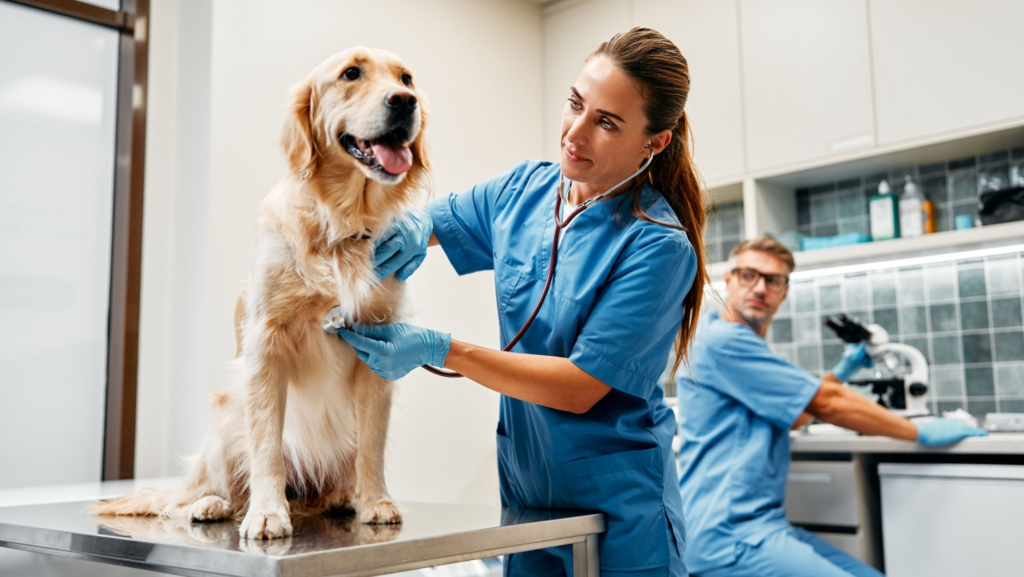
Key Categories Of Equipment Needed To Start A Veterinary Clinic
To ensure your veterinary clinic is equipped for success, let’s break down the key equipment categories you’ll need. Let’s begin with the most vital diagnostic equipment that forms the foundation of your clinic’s healthcare services.
Diagnostic Equipment
Investing in diagnostic equipment is crucial for providing accurate and timely care when opening a veterinary clinic. These tools help assess the health of animals, identify diseases, and guide treatment plans. Here’s a breakdown of the essential diagnostic equipment every veterinary clinic should have:
X-ray Machine
An X-ray machine is a fundamental tool for diagnosing fractures, bone diseases, and certain internal conditions. It allows vets to visualize bones and organs, detecting injuries, tumours, or foreign objects that might obstruct the digestive system. Modern digital X-ray machines produce high-quality images with reduced radiation, making them safer for both animals and clinic staff.
Ultrasound Machine
An ultrasound examines soft tissues and organs, providing real-time, detailed images of internal structures. It is beneficial for diagnosing heart conditions, pregnancy, and liver or kidney diseases. It’s a non-invasive tool that is safer for animals than other imaging methods and offers valuable insight into their overall health without the need for surgery.
Endoscope
An endoscope is a vital tool for performing minimally invasive procedures. It’s typically used to examine the inside of the gastrointestinal tract, respiratory system, or urinary tract. By using a flexible tube with a camera, vets can visualize problems such as blockages, foreign bodies, or infections directly, often leading to quicker diagnoses and less invasive treatments.
Blood Pressure Monitor
A blood pressure monitor is essential for monitoring cardiovascular health, particularly in older pets or those with chronic conditions, such as kidney disease. High or low blood pressure can signal serious health problems, such as heart disease or hormonal imbalances. Regular monitoring enables veterinarians to make informed decisions about treatment or medication.
Thermometer
Temperature regulation is crucial in animal care, as fever or hypothermia can indicate underlying health issues, such as infections or shock. A digital thermometer measures an animal’s body temperature quickly and accurately. This essential yet straightforward diagnostic tool helps monitor changes in health status during both routine check-ups and emergencies.
Stethoscope
A stethoscope is one of a veterinarian’s most basic yet essential tools. It allows for the auscultation (listening) of the heart, lungs, and other internal organs to detect irregularities in their function. From heart murmurs to lung infections, this tool helps veterinarians assess an animal’s overall condition and determine the next steps in diagnosis or treatment.
Surgical Equipment
In any veterinary clinic, proper surgical equipment is essential for performing procedures safely and efficiently. Whether it’s a routine spay or a complex surgery, the right tools ensure precise and successful outcomes. Here’s a detailed look at the essential surgical equipment every veterinary clinic needs:
Surgical Instruments
Surgical instruments are the foundation of any veterinary procedure. Key instruments include scalpels for making incisions, scissors for cutting tissue, and forceps for holding or manipulating tissues. Needle holders and surgical clamps are also necessary for suturing and managing bleeding during surgeries. These instruments come in various sizes and designs, allowing vets to select the best fit for the procedure. Investing in high-quality, stainless steel instruments that are durable, sharp, and easy to sterilize is essential.
Anesthesia Equipment
Anesthesia machines are crucial for safely sedating animals during surgery. These machines regulate the delivery of anesthetic gases, ensuring the animal is kept unconscious and comfortable throughout the procedure. They are typically paired with an oxygen supply to maintain the animal’s breathing. Monitoring equipment, such as pulse oximeters and capnography, is essential for assessing heart rate, oxygen levels, and respiratory function during surgery, thereby helping to ensure the animal remains stable.
Surgical Tables
Surgical tables provide a stable surface for animals during surgery. They are often adjustable, allowing veterinarians to position the animal at the ideal angle for the procedure. Some tables have built-in heating pads to keep the animal warm during lengthy surgeries, preventing hypothermia. Non-slip surfaces ensure that animals are securely positioned throughout the procedure.
Electrocautery Unit
An electrocautery unit uses electrical current to cut tissue and cauterize blood vessels during surgery. This helps minimize bleeding, reduce tissue damage, and speed up healing. The device applies heat to tissues, effectively sealing blood vessels as the incision is made. Electrocautery is particularly useful in delicate surgeries where controlling blood flow is crucial.
Surgical Drills and Saw
Surgical drills and saws are necessary for more complex procedures, such as orthopedic surgeries. These tools are used to cut through bone or perform joint surgeries. A high-quality surgical drill ensures precision when drilling into bones and joints, which is critical for the animal’s recovery and mobility after surgery.
Surgical Drapes and Gowns
Sterility is vital in surgery, and surgical drapes and gowns are essential for maintaining a sterile environment. Drapes around the surgical site cover the surrounding areas and prevent contamination. The veterinary team wears surgical gowns and gloves to reduce the risk of infection. These items should be disposable or easily sterilizable to maintain high hygiene standards.
Sterilization Equipment
An autoclave sterilizes surgical instruments, ensuring all equipment is free from bacteria, viruses, and other pathogens. Regular sterilization is crucial to prevent infections during surgery. Autoclaves utilize high-pressure steam to eliminate harmful microorganisms, and they are essential for maintaining a safe surgical environment.
Suture Materials
Suture materials are necessary for closing wounds or surgical incisions. They come in various types, including absorbable and non-absorbable sutures in different sizes and strengths. The choice of suture depends on the type of surgery, the location of the incision, and the healing requirements.
Laboratory Equipment
In a veterinary clinic, laboratory equipment plays a crucial role in diagnosing illnesses, monitoring patient health, and conducting routine tests. Accurate lab results are essential for developing effective treatment plans. Here’s an overview of the laboratory equipment you’ll need to set up a well-equipped veterinary clinic:
Microscope
A microscope is indispensable for examining blood, urine, and tissue to detect infections, parasites, and abnormalities. A high-quality microscope enables veterinarians to identify pathogens, such as bacteria, fungi, or viruses, and assess cellular structures to diagnose conditions like cancer or inflammation. Some microscopes come with digital capabilities, allowing for easy sharing of images and results with pet owners or specialists.
Blood Chemistry Analyzer
A blood chemistry analyzer is essential for performing tests on blood samples to assess organ function and hormone levels, as well as detect metabolic diseases. These machines can quickly analyze blood parameters, such as glucose, kidney and liver enzymes, and electrolytes, providing invaluable information about an animal’s health status. This equipment enables veterinarians to monitor chronic conditions, adjust treatments, and track the progress of healing.
Hematology Analyzer
This device counts blood cells and measures their characteristics. A hematology analyzer is crucial for diagnosing anemia, infections, and blood disorders. It provides precise data on red blood cells, white blood cells, and platelets, offering essential insights into an animal’s overall health and immune system. Fast and accurate results enable veterinarians to make informed treatment decisions quickly.
Centrifuge
A centrifuge separates components of a blood or urine sample by spinning them at high speeds. This helps isolate plasma, serum, or other essential elements, which can be analyzed for the detection of heartworm, kidney disease, or liver dysfunction. Centrifuges are also used in diagnostic tests, such as urine sediment exams, providing critical data for accurate diagnosis.
Urine Analyzer
A urine analyzer tests samples for various parameters, including specific gravity, pH, glucose, protein, and signs of infection or kidney disease. It helps detect urinary tract infections, diabetes, and renal issues in animals, enabling veterinarians to tailor treatment plans based on the findings. Urine analysis is a quick and effective way to assess a pet’s health.
Refrigerators and Freezers
Laboratories require refrigerators and freezers to store samples, vaccines, and medications at appropriate temperatures. Blood, urine, and tissue biopsies must be stored properly to maintain their integrity before testing. Additionally, certain drugs or vaccines need refrigeration to remain effective. Ensuring reliable refrigeration is crucial for maintaining a well-organized, safe, and efficient laboratory environment.
Incubator
An incubator maintains a controlled environment for growing cultures, such as bacteria or fungi, from patient samples. Incubators are essential for diagnostic testing, enabling the cultivation of microorganisms to identify infections or diseases. Temperature control within the incubator ensures that cultures grow optimally for accurate analysis.
Test Tubes, Pipettes, and Petri Dishes
These basic laboratory tools are necessary for handling and analyzing biological samples. Test tubes hold liquids such as blood or urine, while pipettes help transfer precise amounts of liquid for testing. Petri dishes are used for growing cultures of bacteria or fungi. These items are essential for the laboratory’s day-to-day functioning and should be regularly stocked and replaced as needed.
PCR Machine (Polymerase Chain Reaction)
A PCR machine amplifies small DNA samples to detect specific genetic material, making it essential for identifying infections caused by viruses, bacteria, or parasites. PCR testing is beneficial for diagnosing diseases that may not be detectable through traditional methods. This technology is essential for veterinary clinics seeking to provide cutting-edge diagnostics.
Examination and Treatment Supplies
Examination and treatment supplies form the backbone of daily veterinary care. These tools are used during routine checkups, emergency visits, and ongoing treatments, making them essential for delivering consistent, high-quality care. Equipping your clinic with the right supplies ensures patient comfort, staff efficiency, and accuracy in every evaluation.
Examination Tables
Sturdy, easy-to-clean examination tables are central to every consult room. Adjustable tables with non-slip surfaces allow veterinarians to examine pets of all sizes safely and comfortably. Some tables have hydraulic or electric lifts to easily accommodate large or mobility-impaired animals.
Stethoscopes and Thermometers
Accurate diagnosis begins with the monitoring of vital signs. Stethoscopes are indispensable for assessing heart and lung sounds, while digital thermometers provide quick and accurate body temperature readings, which are critical for detecting fever, infection, or inflammation. Infrared thermometers are also popular for their noninvasive use, especially with anxious pets.
Ophthalmoscopes and Otoscopes
These handheld devices help examine the eyes and ears for signs of infection, irritation, or injury. Otoscopes provide a clear view of the ear canal, making it easier to diagnose ear infections or parasites. Ophthalmoscopes enable veterinarians to examine the retina and inner structures of the eye for early signs of disease.
Syringes, Needles, and IV Equipment
A constant supply of syringes and needles is essential for administering medications, vaccines, or drawing blood. IV catheters, fluid bags, and tubing are also necessary for delivering hydration or emergency medications. Stocking a range of sizes ensures compatibility with different animal breeds and species.
Bandages, Splints, and Wound Care Supplies
Treating wounds or injuries requires sterile bandages, gauze, splints, and antiseptics. These supplies are crucial for first aid, post-surgical care, or managing chronic wounds. Self-adhesive wraps and vet-specific bandages help secure dressings without sticking to fur or skin.
Muzzles and Restraints
Safety is key during treatment. Soft muzzles, e-collars, and gentle restraints protect the animal and the veterinary team during procedures. Using appropriately sized and comfortable restraint tools helps manage stressed or aggressive pets without causing harm.
Exam Lights and Headlamps
Good lighting is vital for accurate examinations. Adjustable overhead exam lights or wearable headlamps provide clear visibility during checkups and minor procedures. These tools help vets focus on specific body areas without shadows or distractions.
Medical Waste Disposal Systems
Proper disposal of used needles, gloves, and biological waste is essential for maintaining hygiene and ensuring compliance. Sharp containers, biohazard bags, and clearly labelled bins help maintain a clean and safe clinical environment.
General Clinic Equipment
General equipment supports a veterinary clinic’s everyday functionality, organization, and hygiene. These foundational tools and systems ensure the clinic operates efficiently, providing a professional, safe, and welcoming environment for staff and clients. Here’s a breakdown of the essential general equipment:
Computers and Veterinary Practice Management Software
Every modern veterinary clinic relies on computers with specialized software to handle appointments, patient records, invoicing, and inventory. Practice management software streamlines workflows, ensures data security, and facilitates digital communication with pet owners, thereby enhancing efficiency and client satisfaction.
Reception Desk and Waiting Area Furnishings
A professional front desk setup and comfortable seating in the waiting area set the tone for the entire clinic visit. Adding pet-friendly flooring, calming colours, and species-specific seating areas (e.g., separate dog and cat spaces) can reduce animal stress and improve the client experience.
Phone System and Internet Access
A reliable phone system with voicemail, call routing, and internet access is crucial for effective communication and seamless online functionality. Many clinics also offer Wi-Fi access in client waiting areas and cloud-based services for remote access to clinic systems.
Storage Cabinets and Shelving
Proper storage solutions keep medical supplies, equipment, and records organized and accessible. Lockable cabinets are necessary for controlled substances, while labelled shelves and drawers help prevent confusion and maintain inventory control.
Refrigerators for Medications and Vaccines
Dedicated medical refrigerators store vaccines, medications, and biological samples at regulated temperatures. These units differ from household refrigerators and often include temperature alarms to maintain pharmaceutical integrity and meet compliance standards.
Autoclave and Sterilization Tools
An autoclave is essential for sterilizing surgical tools and reusable equipment. Proper sterilization reduces the risk of infection and ensures compliance with hygiene regulations. Supplementary tools include ultrasonic cleaners and instrument trays.
Laundry Machine and Dryer
On-site laundry equipment allows the clinic to wash and sanitize towels, bedding, and uniforms on a regular basis. Clean linens are essential for maintaining infection control and ensuring a hygienic environment for both patients and staff.
Air Purifiers and Ventilation Systems
Air purifiers with HEPA filters and effective HVAC systems help reduce allergens, bacteria, and unpleasant smells to ensure a clean and odour-free environment. Good air circulation improves comfort and safety for pets, clients, and staff.
Fire Extinguishers and First Aid Kits
Safety essentials, such as fire extinguishers, smoke detectors, and first aid kits, must be in place and regularly maintained to protect against emergencies. These items are often legally required and vital to clinic preparedness.
Pharmacy
The in-clinic pharmacy is a vital part of any veterinary practice, offering convenience, control, and continuity of care. By maintaining a well-stocked and efficiently organized pharmacy, veterinarians can provide immediate access to medications, ensure accurate dispensing, and improve compliance with treatment plans.
Prescription Medications
Your pharmacy should carry a comprehensive range of commonly prescribed medications, including antibiotics, anti-inflammatories, pain relievers, dewormers, and heartworm preventatives. Stocking multiple strengths and formulations—such as tablets, liquids, and chewables—helps tailor treatments to pets of all sizes and temperaments.
Vaccines and Preventatives
Essential vaccines for dogs and cats, such as rabies, distemper, parvovirus, and feline leukemia, should be stored in a regulated refrigerator. Preventative products, such as flea, tick, and heartworm medications, are also core offerings that pet owners expect from a full-service clinic.
Controlled Substances
Drugs like opioids or sedatives must be securely stored in compliant locked cabinets. Usage and inventory should be carefully logged in accordance with local and federal regulations. Implementing double-check procedures helps maintain compliance and safety.
Compounded Medications
Some cases require medications that are flavoured, in liquid form, or customized in dosage. Clinics may partner with veterinary compounding pharmacies or stock basic compounding tools for simple formulations.
Labelling and Dispensing Tools
Automated or manual labelling systems ensure each medication is marked with usage instructions, dosage, and patient information. Proper dispensing containers and measuring tools (such as syringes, droppers, and pill splitters) should always be provided for safe administration.
Inventory Management System
A digital inventory system linked to your practice management software helps track stock levels, expiration dates, and reordering needs. This prevents shortages and waste, ensuring readiness for patient treatment.
Client Education Materials
Pharmacies should also offer brochures, information sheets, or digital resources that explain medication use, potential side effects, and storage guidelines. Educated pet owners are more likely to follow treatment plans correctly.
Outfit Your Clinic with Diagnostic, Surgical, and Lab Equipment from Intriquip
After outlining the essential equipment needed to launch a successful veterinary clinic, the next step is finding a reliable partner to supply it all. Intriquip is your go-to source, offering a complete lineup of veterinary equipment that aligns with the real-world needs of today’s practices. Intriquip delivers quality, performance, and support—everything a growing clinic demands, from diagnostic to surgical, lab, and treatment essentials.
With decades of experience, Intriquip doesn’t just supply equipment—it helps clinics thrive. Their selection includes trusted brands, practical tools, and ongoing support like maintenance and equipment training. It’s a one-stop solution that gives you peace of mind and keeps your focus where it matters most—on patient care.
