
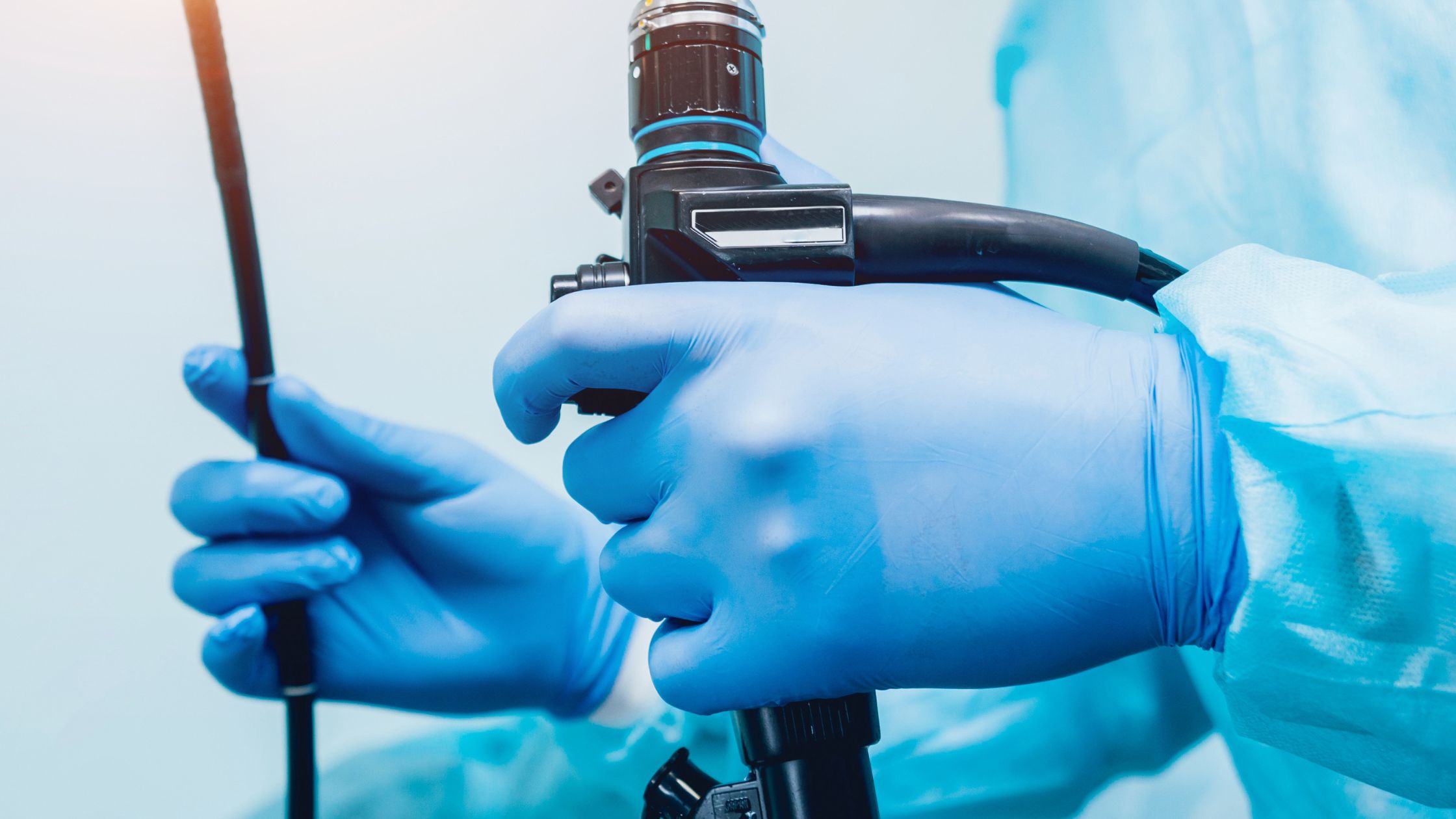
Proper cleaning and maintenance of veterinary endoscopes are essential for ensuring optimal performance, preventing cross-contamination, and extending the lifespan of your equipment. This step-by-step guide will walk you through the best practices for cleaning, disinfecting, and storing your veterinary endoscope after each use.
Why Proper Endoscope Cleaning and Maintenance is Essential
Veterinary endoscopes are delicate instruments that require careful handling and thorough cleaning to prevent infection and maintain functionality. Neglecting proper cleaning protocols can lead to:
- Contamination and infection risks
- Decreased image quality and performance issues
- Expensive repairs or early equipment failure
Pre-Cleaning: Immediate Post-Procedure Steps
After each use, follow these steps to ensure your endoscope is ready for thorough cleaning:
- Check that the air, water, and video buttons function properly.
- Push a cleaning brush completely through the instrument channel to clear any debris.
- Power down the video processor and unplug the scope.
- Coil the endoscope gently in its natural shape for safe transport and handling.
Performing a Pressure Test Before Cleaning
A pressure test ensures the endoscope is airtight and free from leaks before submersion:
- Attach the pressure sealing cap to the plug end of the scope.
- Connect a hand bulb pump to the test cap and pressurize to 140-160 mmHg.
- Observe the pressure reading for a few minutes to confirm it holds steady.
- If the pressure remains stable, disconnect the pump but leave the scope pressurized.
Manual Cleaning and Disinfection Process
Once pressure testing is complete, follow these steps to clean and disinfect the endoscope:
- Wipe down the entire scope with a mild soap solution.
- Submerge the scope in an approved disinfectant solution while still pressurized.
- Push a cleaning brush through the instrument channel again while submerged.
- Allow the disinfectant to work for the recommended time.
Rinsing and Drying the Endoscope
After disinfection, it’s crucial to rinse and dry the endoscope properly:
- Flush distilled water through the instrument channel to remove residue.
- Use a syringe of air to ensure the channel is clear and dry.
- Wipe down all external surfaces with a clean, dry cloth.
Final Checks Before Storage
To prevent damage and ensure longevity, perform these final checks:
- Reattach the pressure tester and relieve any remaining pressure.
- Remove the pressure test cap and inspect the plug surface for moisture.
- Reconnect the endoscope to the processor and water pump, flushing distilled water and air through the system to ensure cleanliness.
Proper Storage and Handling of Your Veterinary Endoscope
Storing the endoscope correctly is just as important as cleaning:
- Store the scope in a hanging position on a cart or place it back in its original case.
- If stored on a cart, cover it with a plastic sheet or cloth to protect from dust and contaminants.
- Handle the scope carefully to avoid impacts, drops, or kinks that could damage internal components.
Common Mistakes to Avoid
Avoid these common cleaning errors to keep your endoscope in top condition:
- Skipping the pressure test, which can lead to unnoticed leaks.
- Using the wrong cleaning solutions, which may damage the scope’s sensitive components.
- Neglecting proper drying, which can cause mold or mineral buildup in the instrument channels.
Watch a Step-By-Step Video Guide
For a visual demonstration of the cleaning and maintenance process, check out the detailed video below:
By following these best practices, you can ensure your veterinary endoscope remains in excellent condition, providing clear imaging and reliable performance for years to come. Explore Intriquip’s full range of veterinary endoscopes or contact us for recommendations on cleaning solutions, accessories, or new equipment.
