Day: 13 March 2024

Veterinary Centrifuges: Everything You Need to Know

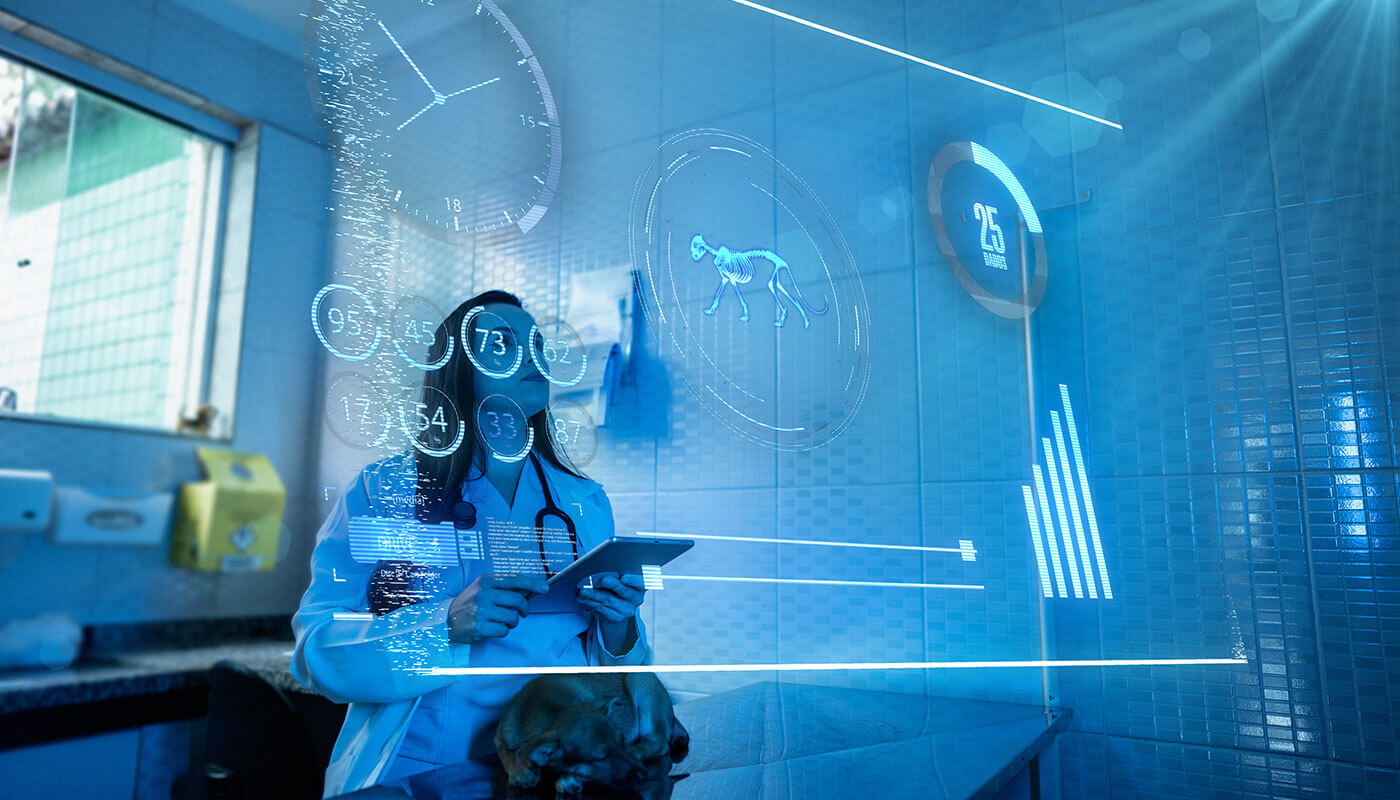
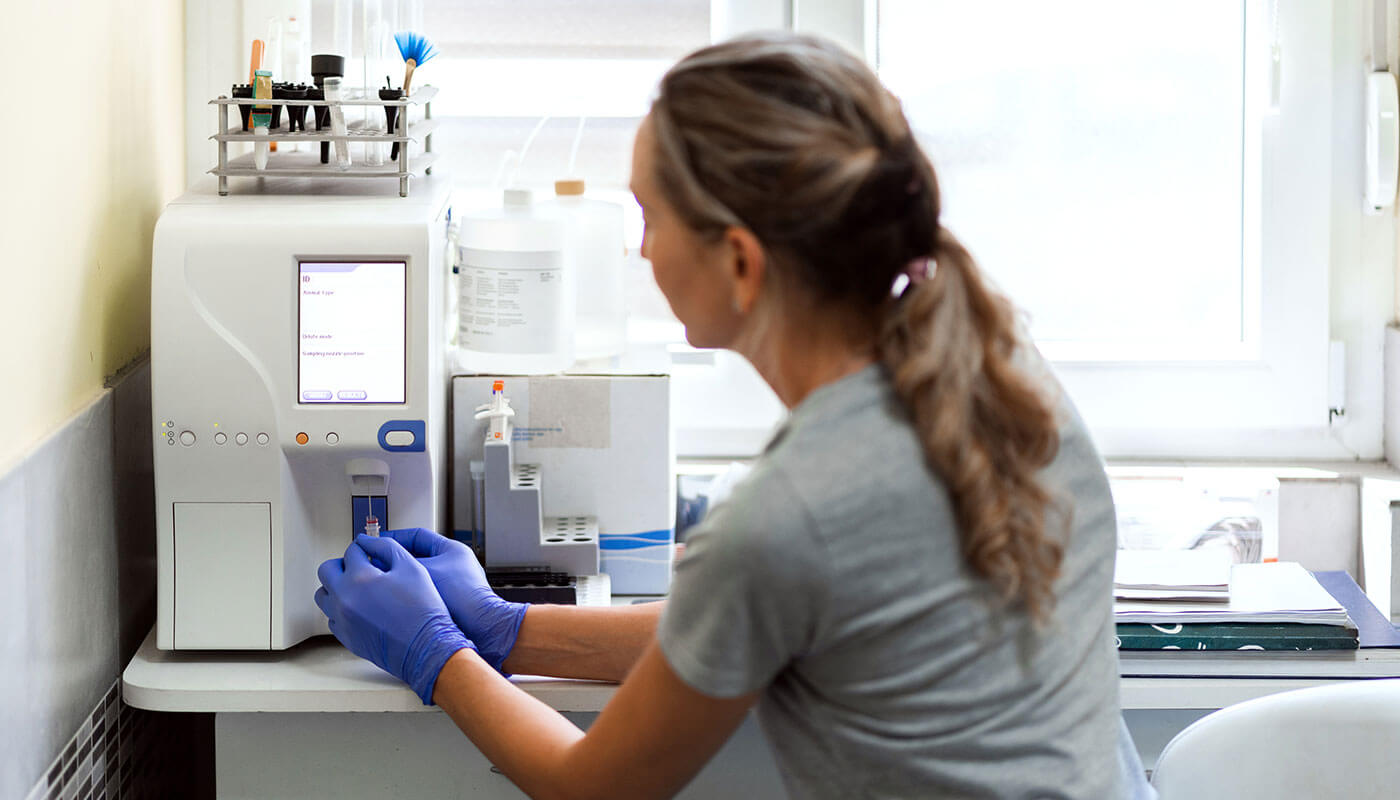
Veterinary technician operating a laboratory centrifuge for sample processing

In the ever-evolving field of veterinary medicine, technology advancements like the centrifuge have paved the way for more efficient and accurate diagnostics. Playing a crucial role in ensuring the health and well-being of all animal patients, many veterinary professionals still have questions about how they work, and if they are needed in a clinic setting. In this article, we will discuss some of the most commonly asked questions when it comes to centrifuges, why veterinary clinics need to have a centrifuge, and various centrifuge options that are available right here at Intriquip.

Veterinary Centrifugiation: Frequently Asked Questions

What is a centrifuge/veterinary centrifuge?

At its core, a centrifuge is a specialized piece of laboratory equipment designed to separate heterogeneous mixtures into their different densities, using a gas or a liquid. Separation is achieved by spinning samples at high speeds, causing denser components to settle to the bottom of the sample container while lighter components stay on top.

Essentially, a centrifuge employs the principle of centrifugal force to separate particles in a heterogeneous mixture. A veterinary centrifuge follows the same proposition but would be used on animal patient samples to aid veterinary professionals in diagnosing and treating different types of diseases, viruses and disorders.

What is Relative Centrifugal Force?

Relative Centrifugal Force (RCF), also known as g force, is the measurement of gravitational force that a sample is subject to. The radial force generated by a spinning rotor in relation to the earth’s gravitational force makes up RCF. The g force experienced by the sample increases exponentially with the speed or rotation, which is measured in revolutions per minute (RPM).

How do I find the RCF if my centrifuge does not measure it?

Generally, many newer models of centrifuges measure both RCF and RPM, but some do not, and most older models do not. To find the RCF, you can use the formula and example below to manually find the correct RCF. To find the RCF manually, you must be given the radius (r). The manufacturer will usually provide this information for you, but it can be in a couple of different values.

A maximum, a minimum, and an average radius will usually be provided, which is the distance from the top, the bottom, and the middle of the centrifuge tube to the center of the rotor. Always use the maximum radius when manually calculating RCF.

Formula:  RCF= (RPM)2 x 1.118 x 10-5 x r

Example: Solve for RCF when RMP=2500 and r=10
RCF= (RPM)2 x 1.118 x 10-5 x r
RCF= (2500)2 x 1.118 x 10-5 x 10
RCF= 6250000 x 1.118 x 0.00001 x 10
RCF= 698.75

How do I find the RPM if my centrifuge does not measure it?

Similar to finding the RCF, you can use a formula to manually calculate the RPM. To find RPM, you must know the RCF and radius (r). Using the formula and example below, you should be able to calculate your RMP.

Formula:  RPM= √[RCF/(r x 1.118)] x 1 x 10⁵

Example: Solve for RPM when RCF=698.75 and r=10
RPM= √[RCF/(r x 1.118)] x 1 x 10⁵
RPM= √[698.75/(10 x 1.118)] x 1 x 10⁵
RPM= √[698.75/(11.18)] x 1 x 10⁵
RPM= √(62.5) x 1 x 105
RPM= √(62.5) x 100000
RPM= 2500

Veterinary Centrifuges: Why They Are So Important

Veterinary clinics serve a diverse clientele, including companion animals, large livestock animals, exotics, and more. Providing accurate care to any animal can be difficult without the correct tools or equipment, and without a centrifuge diagnosing different types of diseases and illnesses would be impossible. Let’s take a look at why veterinary centrifuges are such an indispensable piece of equipment to many clinics.

Blood Sample Analysis
One of the most common applications of a veterinary centrifuge is the separation of blood components or Blood Sample Analysis. Centrifugation allows veterinary professionals to separate red blood cells, white blood cells, and plasma quickly and efficiently. Separation of blood is vital for diagnosing conditions such as anemia, leukemia, and blood clotting disorders.

Urinalysis
Veterinary centrifuges are used to separate urine samples, enabling the analysis of urine sediment. Urinalysis is crucial for identifying urinary tract infections, crystals, or other abnormalities in the urinary system.

Fecal Examination
In the diagnosis of gastrointestinal conditions, veterinary centrifuges assist in concentrating fecal matter, making it easier to detect parasites, ova, and cysts.

Cellular & Microbiological Studies
Centrifugation is essential for various cellular and microbiological studies, enabling the separation and purification of cells and microorganisms.

Intriquip’s Veterinary Centrifuges

Drucker 614B
The Drucker 614B Centrifuge is a low-cost, fixed-angle centrifuge designed for veterinary clinics. Its compact design takes up very little counter space and is built to last for many years of use in your clinic. Holding six, 15ml tubes, this centrifuge offers a single g force setting of 1100xg, for error-free operation, and has an adjustable mechanical timer.

Horizon 6 Flex
Ready to run right out of the box, the Horizon 6 Flex from Drucker is completely customizable to suit your clinic’s needs. This routine centrifuge is equipped with a digital display and allows you to pre-program up to ten cycles. Also holding a capacity of six, 3-10ml tubes, this machine offers intuitive lid lighting that stays on while the centrifuge is running; turning into a flashing light when the cycle is complete.

Drucker TrueBond
The Drucker TrueBond Multipurpose Centrifuge spins microhematocrit, fecal, blood, and urine all in one machine. Designed specifically for veterinary use, this machine also holds six 3-10ml tubes. Built to last, you can enjoy worry-free operation with its clear, shatter-proof lid, brushless motor, and imbalance protection. The TueBond holds a very small footprint of one square foot and is super lightweight, so it can easily be moved if ever needed.

E8 Centrifuge
The small but mighty E8 Centrifuge comes in three models: Fixed–Speed, Variable-Speed, and Digital–Speed and Time. With an eight, 3-15ml tube capacity, the E8 Centrifuge takes up little counter space and is lightweight. All three models have been engineered to be quiet, vibration-free, and have an auto-brake that stops the rotor in less than thirty seconds.

E8 Combination Centrifuge
Designed specifically to spin 75mm microhematocrit tubes and 1-15ml microtubes, the E8 Combination Centrifuge is also available in three models: Digital-Speed, Variable-Speed, and Fixed-Speed. These centrifuges are built with an auto-calibrating speed function, giving you accurate results every time. Like the other E8 Centrifuges, they are designed to fit into small spaces and are extremely quiet, allowing for a peaceful work environment.

Centrifuges: A Veterinary Clinic Essential

If you’re wondering whether your clinic needs a centrifuge, the answer is a resounding yes. It’s an investment in the health and well-being of the animals under your care, and the options available at Intriquip ensure you have the right tool for the job. Elevate your veterinary practice with the precision and efficiency that centrifuges provide, because when it comes to the well-being of our animal companions, every detail counts. To get started, contact us.
The Total Guide to Pulse Oximeters

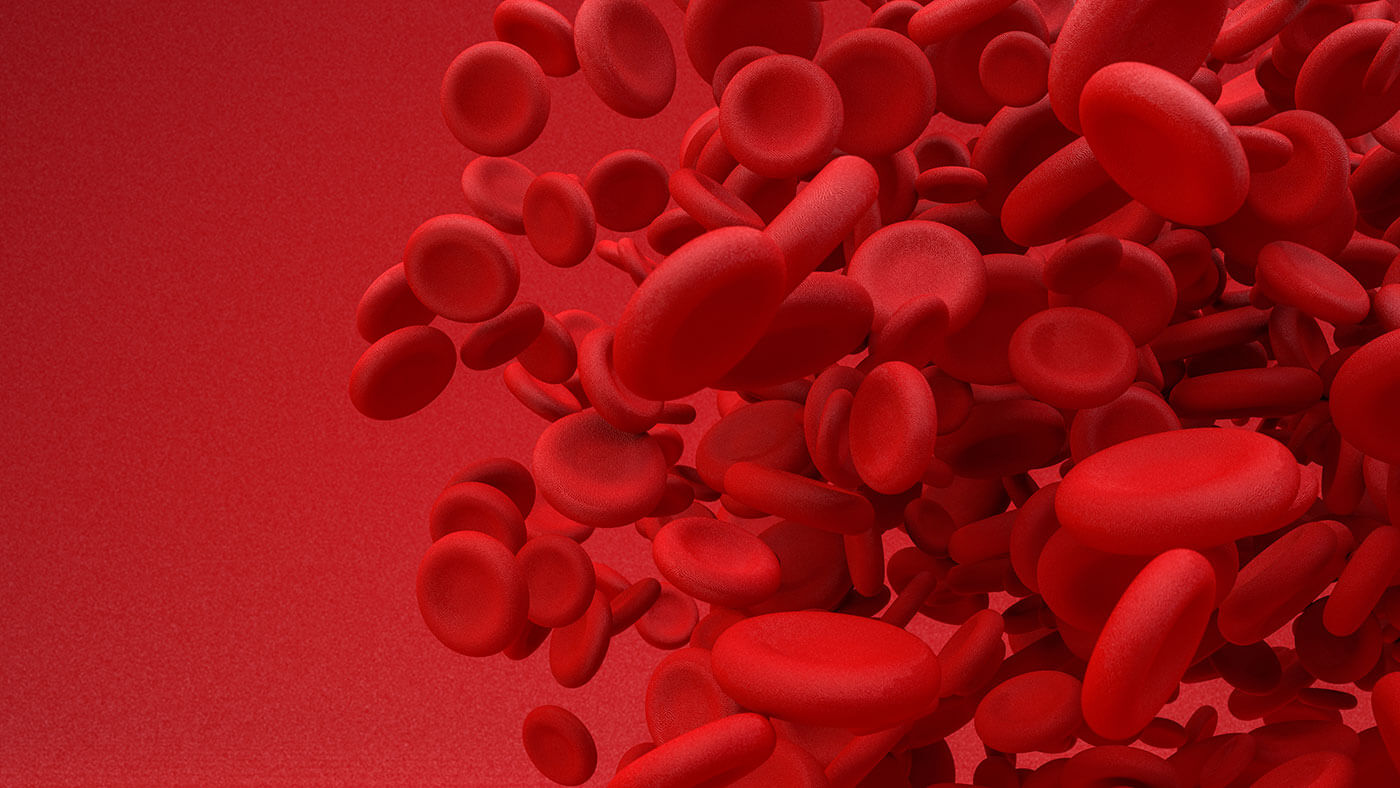
Close-up view of red blood cells highlighting veterinary pulse oximetry importance

Providing curtail statistics on SpO2 (blood oxygen level) and BPM (heart rate in beats per minute); pulse oximeters heavily contribute to ensuring an animal’s well-being. In this article, we will discuss some of the most common questions that arise when using a pulse oximeter, Intriquip’s pulse oximeter, the Oxy9Wave, and some advantages and disadvantages of using a pulse oximeter in your veterinary practice.

Pulse Oximeters: Frequently Asked Questions

How do Pulse Oximeters work?

Pulse Oximeters are mainly used to detect the level of SpO2, also known as the percent of oxygen-saturated hemoglobin in a patient’s bloodstream. By comparing the number of oxygen-saturated hemoglobin to the number of non-saturated hemoglobin in the bloodstream, this will create the SpO2 percentage.

Using a small probe or sensor attached to a clip, the pulse oximeter will be attached to an animal patient by a vet professional in a hairless, minimally pigmented area (places like a lip, the inside of an ear, or under the belly are all great areas to try). The pulse oximeter can essentially be attached anywhere on your patient where they have a pulsating arteriolar bed.

Once in place, the probe or sensor clip uses two different wavelengths of light, infrared light and red light. Hemoglobin saturated with oxygen or oxygenated hemoglobin absorbs more infrared light, whereas hemoglobin not saturated with oxygen or deoxygenated hemoglobin absorbs more red light. The difference in absorption is calculated, resulting in a percentage, which is SpO2 percent.

Why do veterinary clinics use Pulse Oximeters?

Pulse oximeters can be a very helpful diagnostic tool for veterinary clinics. Measuring the SpO2 percentage indicates how much oxygen an animal patient is getting in a non-invasive way.

Why is measuring SpO2 important?

Being an essential part of veterinary patient care, a pulse oximeter measures the oxygen in a patient’s body. Vital organs like the heart, kidneys, brain, and more require oxygen to keep an animal alive. If a patient and their vital organs are not receiving the amount of oxygen needed, a pulse oximeter is an easy way for veterinary professionals to monitor and change treatment as needed.

Intriquip’s Pulse Oximeter: The Oxy9Wave

Designed with precision and ease of use in mind; providing accurate and real-time readings of a patient’s oxygen saturation and heart rate, the Oxy9Wave is one of the most sought-after pulse oximeters on the market today. 

Whether you are dealing with a critical patient under anesthetic or just performing a routine check-up, the Oxy9Wave allows you to deliver the best possible care to your patients. The Oxy9Wave offers a three-and-a-half-inch display screen that can be used in either landscape or portrait view and has a rechargeable battery that lasts up to twenty hours on a full charge. A reusable multisite SpO2 probe is included with every Oxy9Wave.

Embrace the future of veterinary medicine with the Oxy9Wave Veterinary Pulse Oximeter and provide your animal patients with the highest standards of care.

Bionet Oxy9Wave standup 1

The Advantages of Oxy9Wave

User-friendly
Pulse oximeters like the Oxy9Wave are easy and simple to use. Any veterinary professional would be able to pick up a pulse oximeter and start using it on a patient within minutes.

Non-invasive
Measuring pulse and SpO2 with a pulse oximeter is non-invasive. Clipping onto the skin, patients hardly even know it is there. In an already stressful environment, having a non-invasive method of measuring heart rate and SpO2 can be incredibly helpful for both the patient and the veterinary professional.

Uninterrupted Monitoring
Pulse oximeters only measure a couple of parameters allowing for continuous SpO2 and BPM monitoring.

Portable
Pulse oximeters like the Oxy9Wave are lightweight and portable, allowing the machine to be transported around the clinic as needed.

Distinct Alarming

Many pulse oximeters have customizable alarm settings permitting veterinary professionals to know exactly when something is wrong with a patient. This means when you are busy, you do not have to physically keep an eye on your patient, you can continue to serve other patients.

The Disadvantages of Oxy9Wave

False Readings
There are many reasons why false readings can occur while using a pulse oximeter. If the clip is placed in the wrong spot (where the patient has a lot of hair or dark-pigmented skin), the clip is clamped down on a blood vessel restricting the patient’s blood flow, or even underlying health conditions and diseases in the blood or hemoglobin can all cause false readings to develop while using a pulse oximeter.

Methemoglobin
Methemoglobin is hemoglobin in the form of metalloprotein, where the iron within its heme group is in the Fe³⁺ state, distinct from the Fe²⁺ state found in regular hemoglobin. Similar to deoxygenated hemoglobin, methemoglobin lacks the ability to bind with oxygen, resulting in its inability to transport oxygen throughout the bloodstream. Because methemoglobin does not carry oxygen, it also absorbs red light, which can alter the SpO2 percentage.

Carboxyhemoglobin
Carboxyhemoglobin is created when hemoglobin and carbon monoxide meet inside red blood cells. Carboxyhemoglobin can cause a pulse oximeter to overread and in some cases of carbon monoxide poisoning, the saturation of oxyhemoglobin is the same or relatively similar to carboxyhemoglobin.

Nail Polish and Dyes
In many circumstances, nail polishes and hair dyes would affect human patients in a medical facility, but many pet owners like to paint their furry friend’s nails or dye their hair to help distinguish their pets from others. If there is nail polish or dye on the skin where the SpO2 clip would normally be placed, the colour and type of dye can affect the SpO2 reading.

Pulse Oximeters: A Clinical Essential

Pulse oximeters have revolutionized veterinary medicine and provide a non-invasive and convenient way to monitor an animal patient’s vitals like blood oxygen levels and heart rate. For more information on pulse oximeters or to inquire about Intriquip’s Oxy9Wave, reach out to any one of us here, we are always happy to assist.

The Importance of Backing Up Your Digital X-Ray System

Veterinarian using digital technology for pet diagnostic imaging with data backup features

Digital X-Ray Systems are crucial pieces of equipment in most veterinary and medical clinics and have become a huge asset to the radiology world. As important as these digital images are, many clinics neglect to have a safe backup for them or think that their in-house PACS computer is enough to store the images. With this in-mind, we’re highlighting some of the risks associated with not backing up your Digital X-Ray, with some tips on how you can back it up.

What is PACS?

PACS stands for Picture Archiving and Communications System. What this really means is, using medical imagining technologies, PACS will store, manage, and transfer digital images along with any patient information associated with those images.

What many people don’t know is their in-house PACS only stores the images you take.  Just like taking a picture on your phone, in-house PACS works in a similar way. When you take a picture on your smartphone, you need to use the camera function; to view it, you then need to go to your camera roll where all of your pictures are stored.

After taking the X-Ray image, PACS then stores the digital image and is where you would go to view each image you have taken with your Digital X-Ray System. If pictures on your smartphone are only saved to your camera roll and you happen to drop it into a body of water, you will never be able to retrieve the pictures from your smartphone. Similarly, a natural disaster like a flood happens in your clinic and your in-house PACS system is destroyed. All the images and patient information from your PACS will be lost.

The Possibility of a Catastrophe

Natural disasters happen more often than anyone would like to think. A fire or flood could hit your clinic overnight, and there is nothing you can do to stop it. This is why many clinics that have a Digital X-ray System backup their in-house PACS system as a precaution for a natural disaster.

Along with natural disasters, computer viruses, the age of your computer, a power surge or even an employee spilling their coffee on the in-house PACS can cause you to lose all the stored images. Losing these digital images can be catastrophic to you and your clinic, so being over-prepared by backing up your Digital X-Ray System is highly recommended.

How Can I Back Up My Digital X-Ray System?

There are multiple ways you can back up your Digital X-Ray System, but there are three main ways Intriquip recommends:

Method #1: External Hard Drive

One way to guarantee a copy of your digital images to be saved elsewhere other than your in-house PACS system is by using an External Hard Drive. Being relatively cheap, External Hard Drives can be purchased at almost any local electronic store. In most cases, all you have to do is plug in the External Hard Drive into your in-house PACS computer.

Most External Hard Drives will already contain the software needed and will automatically save images from your in-house PACS computer to the Hard Drive. If your External Hard Drive does not contain the correct software, all you have to do is select the file containing your digital images on your in-house PACS computer and watch as it automatically saves that file to the External Hard Drive.

There are a couple of downsides to using an External Hard Drive, one being the Hard Drive is not stored offsite. If a natural disaster does occur, not only will your in-house PACS computer be compromised, but there is a good chance your External Hard Drive will be too. Another downside to using an External Hard Drive is, the images have to be redownloaded to a PACS computer for you to be able to view them.

Method #2: Cloud Storage

blog The Importance of Backing Up Your Digital X Ray System 02

If you’re looking for a consistent way to back up your Digital X-Ray, Cloud Storage is a great way to do it. DropBox and GoogleDrive are great Cloud Storage services that charge you a small monthly fee to store information, like digital x-ray images to an offsite server.

Easily select the files you would like to save and your preferred Cloud Storage service will create a copy, saving it to a secure server. Unlike an External Hard Drive, Cloud Storage services store your digital images offsite, on a secure server. In the event a natural disaster does happen, your digital images will be safe even if your in-house PACS computer is lost. Cloud Storage can be a tremendous way to save your images, but the more digital images you have and the more new images you take, the more storage you are going to require.

As you require higher volumes of storage, your Cloud Storage service is going to charge you for the additional storage necessary to save your digital images. Like an External Hard Drive, images stored in Cloud Storage cannot be viewed unless downloaded back to a PACS computer.

Method #3: Cloud-Based PACS

Similar to Cloud Storage, Cloud-Based PACS allows you to save your digital images to a secure, offsite server. Unlike Cloud Storage or an External Hard Drive, Cloud-Based PACS allows you to view and share these images. For veterinarians and medical professionals who need to share the X-ray images with their patients or other referring doctors, Cloud-Based PACS can be a great asset to the clinic.

 For people with multiple clinics, Cloud-Based PACS can be super beneficial because you can save and store all of your digital images in one place, as well as access these images from any Cloud-Based PACS computer. One disadvantage to Cloud-Based PACS is that it can be extremely expensive, usually charging you per study saved to Cloud-Based PACS.

The Importance of Testing

After backing up your Digital X-Ray system, many people think everything is done and your images will be safe. What most people forget to do is test their backup. Testing your backup is a crucial step in making sure the backed-up images are able to be retrieved when needed.

Without access to these backed-up images, your backup is going to prove useless if a disaster does happen to occur. Having someone test your backup every couple of months will help to ensure the backup is working, and images can be retrieved when necessary.

Don’t Discover Safe Data Storage By Accident

Digital X-Ray systems are outstanding pieces of equipment used in both the veterinary and medical healthcare industries. In all, taking the extra precautions by backing up your Digital X-Ray System is incredibly important, and can save you a ton of hassle if your in-house PACS fails. Just as important, you should be testing your backup regularly to make sure images are saved properly and can be retrieved when they are needed.

For more information on how to backup your Digital X-Ray System, contact us here at Intriquip, we are happy to assist at any time.