
Ultrasound technology has become an essential diagnostic tool in modern veterinary practice. Whether you’re working with small companion animals, large equine patients, or livestock in the field, the ability to visualize internal structures in real time supports faster, more accurate diagnoses and informed treatment planning.
As demand for in-house imaging grows, more veterinary clinics, spanning general practice, specialty care, and mobile services, are choosing to invest in their ultrasound systems to reduce referral delays, improve case outcomes, and deliver a higher standard of care.
What Does a Veterinary Ultrasound Machine Cost? – How Financing Can Help You Get the Right One?
Veterinary ultrasound is more than a purchase; it invests in patient care, clinical accuracy, and practice efficiency. The right system can reduce diagnostic uncertainty, improve treatment timelines, and help you make confident decisions in real-time. Whether you’re scanning small animals in a clinic or conducting field exams on livestock, reliable imaging pays for itself through better outcomes and fewer delays.
The True Cost Breakdown
- Entry-Level Units (Great for startups or mobile vets): $5,000–$10,000
- Mid-Range Systems (Ideal for general practices): $10,000–$25,000
- Advanced or Specialty Models (High performance + features): $25,000–$50,000+
- These figures vary based on brand, imaging capabilities, and probe configurations.
Financing Options Built for Veterinary Practices
If paying upfront feels out of reach, that doesn’t mean you have to settle. At Intriquip, we offer flexible financing solutions that help you equip your clinic with the necessary technology, without draining your cash flow. Monthly plans are available for clinics of all sizes, so you can spread out your investment while maintaining full access to diagnostic tools.
Why It’s Worth It
- Reduce dependence on external referrals
- Increase case retention and client satisfaction
- Improve your diagnostic confidence and speed
- Expand the services your clinic can offer
Types of Veterinary Ultrasound Machines and What Affects the Cost?
The cost of an ultrasound machine depends on several factors, such as the type of imaging you require, the portability of the system, and the advanced features it includes. Below is a more in-depth look at the most popular types of ultrasound machines used in veterinary practice and what factors can influence their cost.
Handheld Ultrasound Devices
Best For: Mobile vets, extensive animal practice, field diagnostics
Handheld ultrasound machines are the perfect choice for veterinary professionals who need to perform quick assessments or mobile examinations in the field. These portable, compact devices are handy for large animal practices or emergencies requiring immediate imaging.
Key Features:
- Portability: Easy to carry and use in the field, ideal for mobile or on-the-go vets.
- Durability: Built to withstand outdoor conditions, making them perfect for farm, equine, or rural settings.
- Simple Interface: Designed for quick scans with basic imaging features so that you can make fast decisions during emergency or routine assessments.
Example Model:
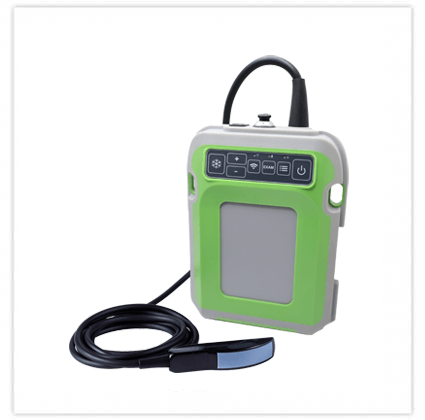
- Apexx Curve: A trusted name in the industry, the Apexx Curve is compact, splash-proof, and weighs just 2.6 pounds. It’s built for on-the-go use in demanding environments. Its 128-element probe delivers clear imaging across a 2.0 to 5.0 MHz range, ideal for accurate diagnostics in large animals. The built-in 5.8 GHz wireless sender allows seamless image transmission, while multiple output options support easy viewing and setup. Designed with mobility and efficiency in mind, the Apexx Curve is a trusted tool for mobile vets and large animal practices.
Price Considerations:
Handheld devices are generally more affordable than larger, feature-rich systems. Their cost typically reflects their focus on portability and simplified imaging functions.
Portable Laptop-Style Ultrasound Machines
Best For: General small animal clinics, mixed-use practices
Portable laptop-style ultrasound machines provide a good balance between performance and portability. These systems are ideal for veterinarians who need high-quality images but don’t have the space or budget for a larger, cart-based system. These systems often offer enhanced diagnostic capabilities compared to handheld models, without sacrificing mobility.
Key Features:
- Enhanced Imaging: These units often have higher-resolution screens and more advanced imaging modes, such as abdominal scans and soft tissue imaging.
- Flexibility: Depending on the system, you can often choose different probes (linear, convex, etc.) for various exams.
- Portability: While not as compact as handheld models, portable laptop-style systems are lightweight and can be easily moved between examination rooms or used for off-site exams.
Example Model:
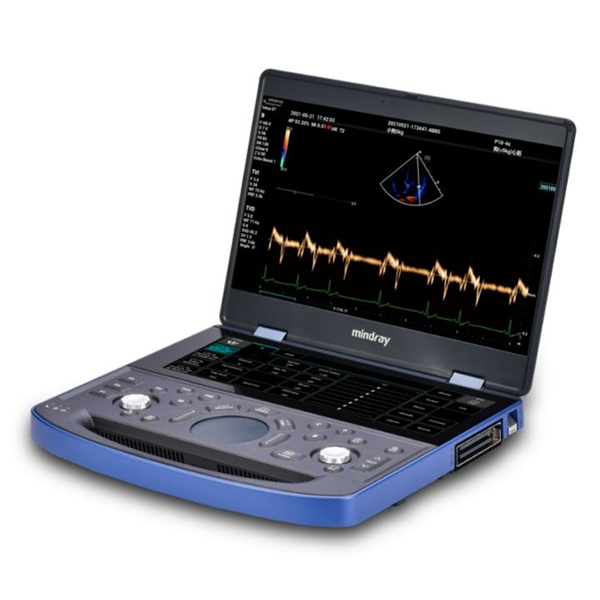
- Mindray Vetus E7 Veterinary Ultrasound System: A strong example in the laptop ultrasound category is the Mindray Vetus E7, known for combining portability with premium imaging performance. Weighing 6.6 lb and only 1.7 inches thick, it’s currently the thinnest and lightest laptop ultrasound system available. It is designed for large and small animal applications and features advanced imaging tools like iClear, iZoom, and a smart beamforming engine for exceptional clarity. With water-resistant construction, a tiltable HD LED screen, and up to four magnetic probe connectors, the Vetus E7 is a durable, user-friendly solution for busy veterinary practices. It also includes built-in educational support through iScanHelper, making it a practical choice for everyday diagnostics.
Price Considerations:
These machines are usually priced in the mid-range compared to handheld and cart-based systems. They offer an outstanding balance of features and affordability, making them ideal for general practitioners.
Cart-Based Ultrasound Systems
Best For: High-volume clinics, specialty diagnostics, in-house imaging
Cart-based ultrasound systems are the workhorses of larger veterinary practices, hospitals, and specialty clinics. These machines offer higher-end imaging quality, advanced functionalities, and efficient workflow features. Whether you’re performing routine exams or handling complex cases, these systems are designed for maximum efficiency and diagnostic clarity.
Key Features:
- Superior Image Quality: Cart-based systems provide some of the most transparent and accurate images, thanks to their advanced processing power and high-resolution screens.
- Advanced Imaging Modes: Many cart-based systems come equipped with Colour Doppler, M-mode, and other imaging options, making them perfect for cardiac, reproductive, and complex abdominal scans.
- Enhanced Workflow: These systems often include touch screens, customizable settings, and seamless data integration, designed to improve workflow and save time during exams.
Example Model:
- Vetus 50: The ComboWave Transducer with Mindray’s exclusive 3T Technology enhances image resolution and uniformity by optimizing the acoustic spectrum and reducing impedance. Paired with advanced features like Natural Touch Elastography, HR Flow, and HD Scope, it delivers precise visualization for detailed diagnostics. Tools like Smart Calc, iScanHelper, and iWorks support efficient workflows and faster learning curves, making them ideal for new and experienced veterinary professionals.
Price Considerations:
Cart-based systems have a higher price tag due to their more advanced imaging technologies and robust features. However, the cost is justified by the system’s ability to handle a high volume of cases efficiently and clearly.
Advanced Imaging Systems with Doppler and Specialty Modes
Best For: Cardiology, reproductive care, internal medicine
For practices that require cutting-edge diagnostic imaging, systems equipped with Colour Doppler, M-mode, elastography, and other specialized functions provide the depth and clarity needed for complex diagnostics. These systems particularly benefit cardiology, internal medicine, and reproductive specialists, where real-time, high-quality imaging is critical.
Key Features
- Colour Doppler & M-Mode: These advanced features help veterinarians evaluate blood flow, monitor heart function, and assess tissue elasticity, making them indispensable for diagnosing heart conditions, tumours, or abnormalities in internal organs.
- 3d Imaging and Elastography: Some models offer additional features like 3d imaging or elastography, which help assess tissue stiffness and detect conditions such as liver fibrosis or tumours.
- Specialized Probes: These systems often come with various probes, including micro-convex, phased-array, and linear probes, for detailed imaging of small organs, soft tissues, and vessels.
Example Model:
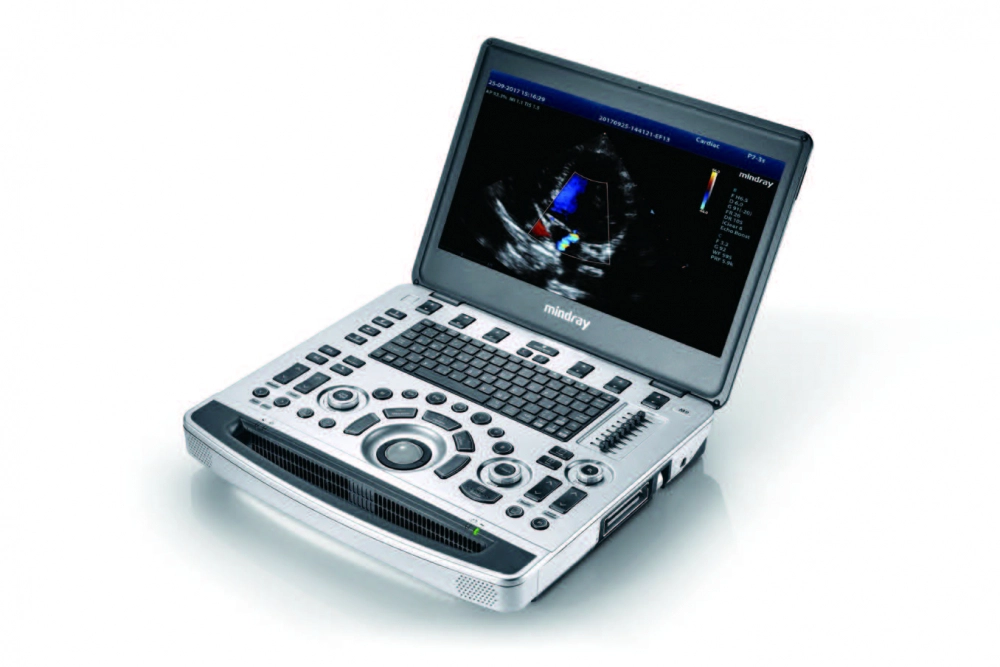
- Mindray M9Vet Ultrasound System: The Mindray M9Vet is a premium portable ultrasound system that combines the power of 3T transducer technology with the mQuadro imaging platform for exceptional diagnostic clarity. It’s ideal for mobile and in-clinic use and is designed for both small and large animal applications. With features like tissue harmonic imaging, iClear speckle reduction, and iZoom full-screen viewing, it delivers high-definition imaging and user-friendly controls in a compact unit. The M9Vet is a reliable and high-performing diagnostic tool for equine practitioners and companion animal clinics.
Price Considerations:
Due to their specialized capabilities and higher resolution, advanced imaging systems are at the higher end of the price spectrum. These systems are ideal for practices that require the best possible imaging for detailed, high-stakes diagnostics.
Need Help Deciding Which System Is Right for Your Practice?
Choosing the right veterinary ultrasound system goes beyond comparing prices. It’s about understanding your clinic’s unique needs and the types of exams you perform regularly. Contact Intriquip for personalized advice or learn how our financing options can help make these advanced diagnostic tools accessible to your clinic.
Final Verdicts
In conclusion, selecting the right veterinary ultrasound machine is essential for accurate diagnoses and improving patient care. The choice of device depends on factors like your practice’s focus, the level of imaging required, and budget considerations. By understanding the various types of ultrasound systems available, you can make an informed decision that aligns with your clinical needs and financial resources. Each machine offers distinct advantages, helping veterinary professionals provide the best care for their patients.
FAQs
What is the best portable veterinary ultrasound system?
The Mindray M9 Vet is one of the top choices for portable veterinary ultrasound systems. Known for its high-resolution imaging and advanced features like Colour Doppler, it provides excellent diagnostic capabilities in a compact design. Its portability makes it ideal for mobile practices, farm visits, or emergency care. The system also includes long battery life, a user-friendly interface, and multiple probe options for various veterinary applications.
What are the disadvantages of ultrasound for veterinarians?
While ultrasound is a valuable diagnostic tool, it does have limitations in veterinary medicine. One of the primary drawbacks is that it requires skilled operators to achieve accurate results, making it time-consuming for less experienced staff. Additionally, ultrasound is less effective for imaging dense tissues like bone and may have difficulty visualizing specific internal structures, particularly in obese animals. Lastly, the technology may not always provide the same level of detail as more invasive methods like CT or MRI scans.
What are the limitations of ultrasound machines?
Ultrasound machines have several limitations, particularly regarding image quality for specific conditions. They rely on sound waves, which can struggle to penetrate dense materials like bone or gas-filled organs, leading to poor imaging of those areas. The operator’s skill level limits ultrasound and can be less effective in animals with thick fur or excess body fat. Additionally, while ultrasound can provide real-time imaging, it may not always be the most effective method for detecting deep-seated or complicated conditions.