
Successful animal surgeries rely on the skill of veterinary surgeons and the precision of their instruments. In veterinary medicine, accuracy is vital; the right tools can be the deciding factor between saving a pet’s life and facing a difficult loss.
Each surgical instrument serves a specific purpose and acts as an extension of the surgeon’s abilities, ensuring safety and efficiency during procedures. Specialized tools are necessary for tasks ranging from the careful removal of objects from a cat’s intestines to the surgical repair of a canine ligament. Read below to learn more about the top 8 veterinary surgical instruments you can’t miss out on, along with their use in animal surgery.
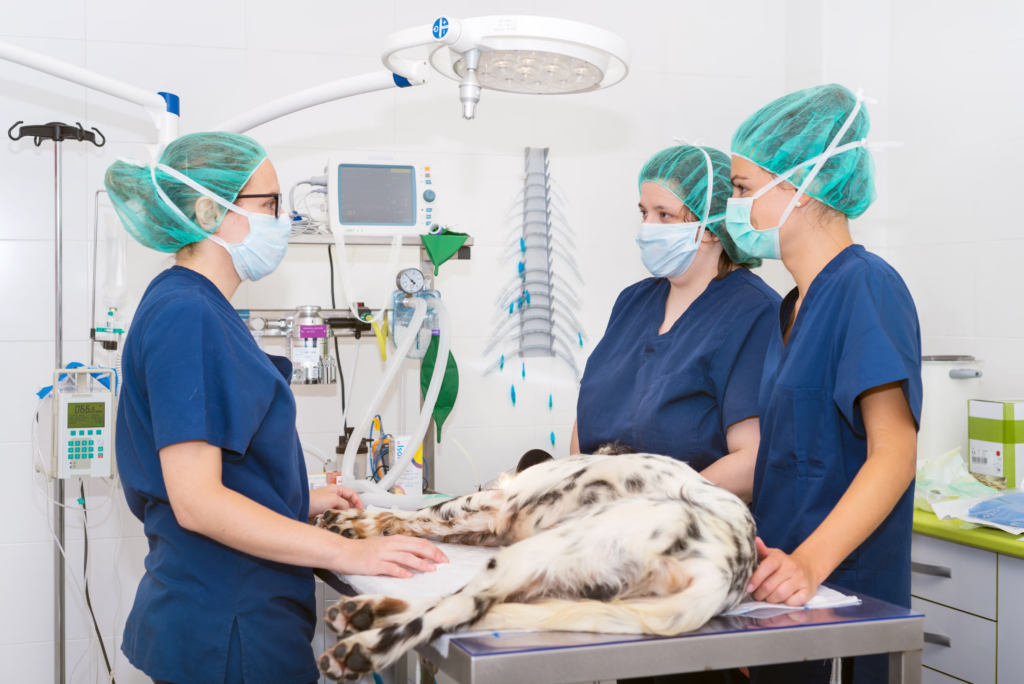
8 Veterinary Surgical Instruments and Their Uses in Animal Surgery
1. Blade and Scalpel Handle
The most basic cutting tool used in veterinary surgery is the scalpel. Surgeons can make precise, clean cuts through skin and tissue with this instrument, which has a reusable handle and disposable blades. The most popular blade sizes for veterinary scalpels are #10, #11, #12, and #15. While the #11 blade is excellent at making precise cuts and punctures, the #10 blade is best suited for making large incisions on larger animals. The #15 blade offers remarkable control for delicate work on smaller animals, while the #12 blade excels at handling curved incisions. The sterile, sharp cutting edge minimises tissue damage and supports faster recovery.
2. A Pair of Surgical Scissors
In veterinary procedures, surgical scissors are used for various tasks, including cutting sutures and trimming tissue. Their firm, straight or curved blades are ideal for slicing through tough tissue and suture materials. Some types are suitable for delicate dissection work due to their longer, thinner blades, which offer finer precision. For fine tissue work and ophthalmic procedures, others provide the highest level of precision. Both varieties have straight or curved blades; during surgery, the curved scissors provide greater visibility around anatomical features.
3. Needle Holder
During wound closure, suture needles are held in place and handled by needle holders. Surgeons can maintain steady control while suturing thanks to the ratcheting mechanism of these instruments, which locks the needle in place. Crosshatched patterns on the jaws of needle holders ensure that needles are held firmly without breaking. From heavy needles for deep tissue repair to fine needles for delicate skin closure, different sizes accommodate different types of needles.
4. Hemostatic Forceps
During surgery, haemostatic forceps clamp blood vessels to stop bleeding. The ratcheting handles of these tools apply steady pressure to tissues. Kelly forceps are well-suited for managing medium-sized vessels, while mosquito forceps are ideal for delicate work and small vessels. Because of their longitudinal serrations, specialised forceps are excellent at clamping large tissue bundles and vessels. Surgeons can reach around organs and structures while maintaining a clear view of the surgical field due to the curved design. Better surgical results are guaranteed, and excessive blood loss is avoided with proper haemostasis.
5. Forceps for Tissue
During surgery, tissue forceps are used to grasp and manipulate tissues without causing undue harm. When suturing, their fine teeth at the tip allow for a firm grip on delicate tissues, such as the edges of the skin. The longitudinal serrations on the atraumatic tips of some forceps reduce tissue damage while preserving superior grip. For handling larger tissue sections, special forceps provide wider, safer grasping surfaces. The type of tissue and the necessary grip strength determine whether to use toothed or non-toothed forceps. During surgical procedures, these tools allow for precise tissue manipulation and positioning.
6. Retractors
Retractors provide unobstructed visibility and access to target areas by holding tissues and organs away from the surgical site, allowing for clear visualization and manipulation. While self-retaining retractors are necessary for deeper surgeries, handheld retractors are effective for superficial procedures. With its adjustable blades that maintain constant tissue retraction without the need for an assistant, specialized retractors are an excellent tool for abdominal surgeries. By maintaining structures in the correct positions throughout the procedure, proper retraction minimizes tissue trauma, increases precision, and shortens surgical time.
7. Suction Devices
During operations, suction devices maintain clear visibility by removing blood, fluids, and debris from surgical sites. Some devices are suitable for most general surgical applications, while others offer precise fluid removal in sensitive areas. Due to their numerous perforations, the suction tips are efficient at extracting large amounts of fluid from bodily cavities. Effective suctioning reduces the risk of aspiration during anesthesia and prevents fluid buildup that could obscure crucial anatomical features.
8. Towel Clamps
To maintain a sterile field during procedures, towel clamps hold towels and surgical drapes in place. These tools have penetrating, sharp points that firmly grip fabric. With their pointed, curved tips that pierce and hold draping materials firmly, towel clamps offer the most secure attachment. Sterility is maintained throughout the procedure, and contamination of the surgical site is avoided with proper draping and isolation. The secure attachment prevents drape movement that might jeopardize the sterile field.
Find All Your Surgical Equipment Essentials And More, Only at Intriquip
Successful animal surgery is based on these eight crucial veterinary surgical tools. Together, the distinct purposes of these instruments guarantee safe, effective, and efficient surgical procedures. Veterinarians must carefully choose, maintain, and use these instruments because their accuracy and dependability have a direct impact on patient outcomes.
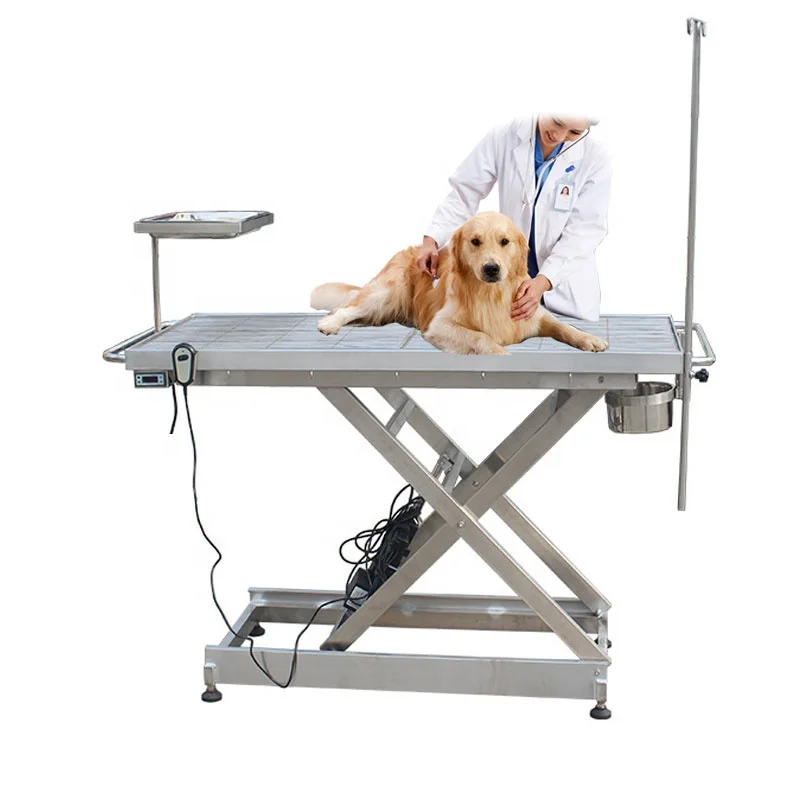
But where can you find the best-quality surgical instruments? Only at Intriquip! A wide range of high-quality veterinary surgical instruments from Intriquip is available to satisfy the stringent requirements of contemporary animal surgery. We collaborate with top producers to offer instruments that seamlessly blend accuracy, robustness, and dependability. Intriquip provides the solutions you require, whether you’re starting a new practice, increasing your surgical skills, or replacing outdated equipment. Our knowledgeable staff can help you select the ideal instruments for your specific needs, all through a customized consultation. Get in touch to learn more.
Frequently Asked Questions
What aspects need to be taken into account when investing in veterinary surgical equipment?
Take into account the maintenance needs, budgetary restrictions, frequency of intended use, and instrument quality. For procedures that are performed frequently, invest in high-quality instruments and select reliable manufacturers with strong warranty support. The choice of instruments directly impacts long-term expenses and surgical results.
Is it possible to perform veterinary procedures using human surgical instruments?
Veterinary-specific instruments are designed for the anatomy and surgical needs of animals, although some of them are interchangeable. To accommodate the diverse needs of different animal species and their unique anatomical requirements, veterinary instruments are often available in a range of sizes, angles, and strengths.
How frequently should surgical tools for pets be changed?
The level of maintenance and usage determines the frequency of replacements. With proper maintenance, high-quality instruments can last five to ten years; however, cutting edges may require maintenance every six to twelve months. Instruments should be replaced when they become ineffective or exhibit wear and tear.