
Running a veterinary clinic means being ready for anything – from sudden emergencies to routine checkups. And when time matters, having the right tools at your fingertips isn’t just helpful – it’s critical.
Before investing in high-end equipment or tech upgrades, ensure your clinic is fully stocked with the essential tools that handle 90% of the day-to-day work. These instruments you reach for without thinking – the ones that support everything from physical exams to surgical prep. Here’s a breakdown of the must-have veterinary tools every clinic should have, organized by function to help you assess and optimize your current setup.
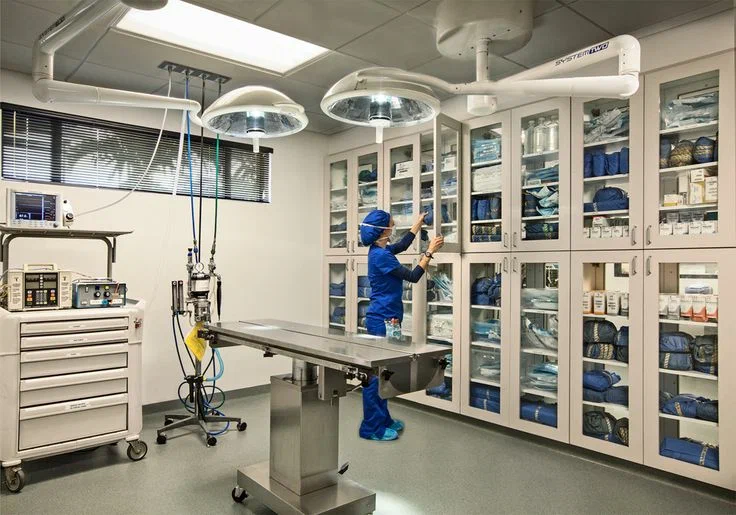
List of Tools for a Fully-Equipped Veterinary Clinic
Before getting into specifics, we must understand that not all tools are equal. Each one serves a unique purpose – whether it’s for diagnosis, treatment, surgery, or patient comfort. In a fast-paced veterinary setting, having the right tools within arm’s reach isn’t a luxury – it’s a necessity. Below, we’ve broken them into focused categories to help you identify what truly belongs in a well-equipped, modern veterinary clinic.
Featured Veterinary Clinic Tools & Equipment List
These are standout tools commonly used across diagnostics, dental care, and surgery. If your clinic isn’t already equipped with these, it’s time to level up:
Diagnostic & Therapeutic Tools
Diagnostic tools identify and analyze animal health conditions, helping veterinarians pinpoint issues like infections or organ dysfunction. Therapeutic tools, however, are essential for treating and managing these conditions, from administering medication to performing surgeries. Both are crucial in a veterinary clinic to ensure accurate diagnoses and effective treatments for optimal animal care.

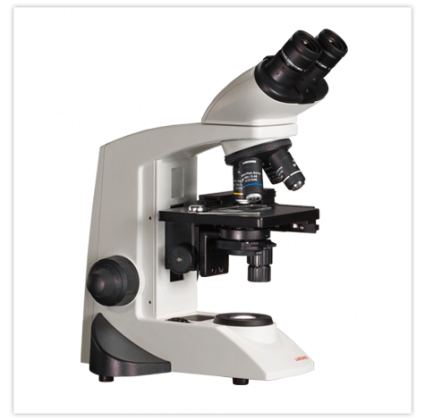
Microscopes – Vital for blood, urine, and skin sample analysis
A microscope is one of a veterinary clinic’s most crucial diagnostic tools. It allows practitioners to examine blood smears, urine samples, fecal matter, and skin scrapings under magnification to identify underlying issues that may not be visible to the naked eye. For example, it can help detect parasites, bacterial infections, abnormal cells, or signs of internal diseases. A high-quality microscope is essential for obtaining accurate diagnoses and appropriate treatment plans. For routine checkups or emergency diagnostics, microscopes offer invaluable insight into a pet’s health.
Scales – Compact, precise, and critical for dosing accuracy
Scales are indispensable tools for accurately weighing animals, and precision is key. Accurate weight measurements are critical for determining correct medication dosages, calculating anesthesia levels, and tracking a pet’s overall health. Digital veterinary scales are designed to be compact and easy to use, allowing for quick and precise readings of small and large animals. Regularly monitoring a pet’s weight can help veterinarians detect early signs of illness, such as sudden weight loss or gain, which can indicate metabolic or systemic conditions that need immediate attention.
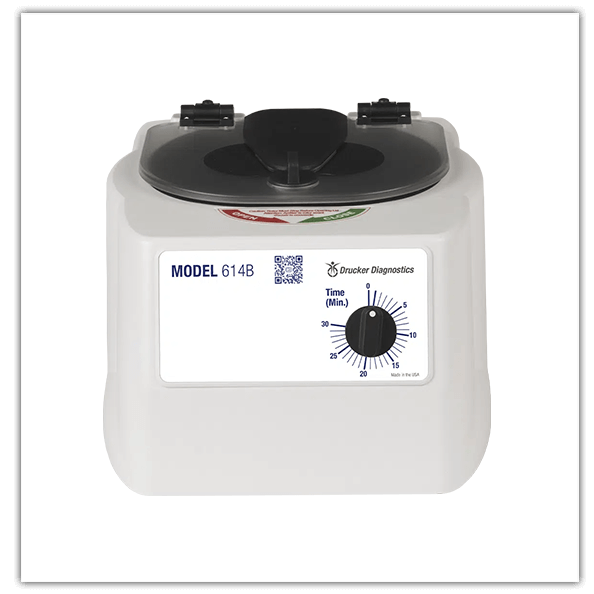
Centrifuges – For quick separation of fluids during diagnostics
A centrifuge is a highly efficient device used to separate the components of biological fluids, such as blood, urine, and other bodily fluids, by spinning them at high speeds. This separation is essential for diagnostic purposes, as it allows the veterinarian to analyze specific components, such as plasma, serum, or cells, more easily. In blood analysis, for example, a centrifuge helps isolate plasma from red blood cells, enabling the veterinarian to perform tests for infections, organ function, or diseases like anemia. Centrifuges are valuable for any clinic focused on quick, accurate diagnostic results.
IV Pumps – Ensure accurate fluid delivery during treatments
An IV pump is a critical tool for administering intravenous fluids and medications to patients with precision. Whether used in emergencies, during surgery, or ongoing treatment, IV pumps allow accurate control over the rate and volume of fluids delivered to the animal. This ensures that patients receive the exact dose of fluids or medication required for recovery or to manage conditions like dehydration or shock. A reliable IV pump system is essential for ensuring patient safety during procedures and supporting recovery afterward.
Dental Tools
Dental tools are essential for maintaining pets’ oral health. They help veterinarians provide effective treatments and detect issues early. These tools ensure that animals receive the best care for their teeth and gums, preventing long-term complications.
Dental Instruments
These include essential tools like scalers, elevators, probes, and extractors, all designed to ensure thorough and effective oral care. Scalers remove plaque and tartar, while elevators and extractors safely remove damaged or decayed teeth. Probes help assess gum health and detect early signs of dental disease. These tools enable veterinarians to deliver high-quality dental care for pets, thereby preventing oral health issues that can impact overall well-being.
Wall Mount and Mobile Dental X-Rays
These include wall mount and mobile dental X-ray systems, both vital for capturing clear images of an animal’s teeth and jaw. Wall mount units provide stable, high-quality imaging in the clinic, while mobile systems offer flexibility for use in various settings. Together, they help veterinarians detect hidden dental problems such as fractures, infections, and abscesses early, supporting effective treatment and better overall oral health for pets.
Surgical Tools
Surgical tools are critical for performing various veterinary procedures with precision and safety. These instruments help ensure that surgeries are carried out effectively while minimizing risk to the patient.
Surgical Instruments
This category includes tools like scalpels, scissors, forceps, and needle holders. Scalpels make precise incisions, while scissors and forceps assist in tissue handling and dissection. Needle holders are used for suturing. These instruments are fundamental for any surgical procedure, ensuring operations are carried out smoothly and efficiently.

Anesthesia Masks & Bags
These tools support safe animal sedation during surgical procedures. Unlike complete anesthesia machines, masks and bags offer a more portable solution to administer gases safely, ensuring the animal remains sedated throughout the procedure.
Electrosurgery Pens
Electrosurgery pens are used for precision cutting and coagulation during surgeries. These devices help control bleeding by cauterizing tissue, improving surgical outcomes and reducing the risk of complications.
Pulse Oximeters & Handheld Monitors
These tools monitor vital signs like oxygen saturation and heart rate during surgery. Pulse oximeters help ensure the patient receives enough oxygen, while handheld monitors allow the veterinarian to track other essential vitals throughout the procedure.
Oxygen Delivery Accessories
This includes masks, hoses, and control valves, which deliver oxygen to patients during sedation or recovery. Oxygen delivery is crucial for maintaining stable respiratory function and supporting recovery in animals undergoing surgery.
Veterinary Clinic Tools Checklist
- Microscopes
- Scales
- Centrifuges
- IV Pumps
- Dental Instruments
- Handheld Dental X-Rays
- Surgical Instruments
- Anesthesia Masks & Bags
- Electrosurgery Pens
- Pulse Oximeters & Handheld Monitors
- Oxygen Delivery Accessories
- Scalpels
- Scissors
- Forceps
- Needle Holders
- Dental Units
- Dental X-Rays
- Patient Monitoring Equipment
- Electrocardiogram (ECG) Machines
- Sterilizers
- Surgery Tables
- Waste Gas Systems
- Oxygen Concentrators
- Patient Warming Devices
- Cages & Kennels
- Custom Cabinetry
- Exam Tables
- Prep Procedure Treatment Tables
- Lighting
General Must-Have Veterinary Tools
General must-have veterinary tools are the essential instruments every veterinary clinic should have to provide effective and efficient animal care. These tools are fundamental for routine checkups, emergency treatments, and surgeries, ensuring that veterinarians can deliver high-quality care across various procedures. From diagnostic equipment to surgical instruments, each tool plays a crucial role in diagnosing, treating, and maintaining the health of animals. Here’s a look at the indispensable tools every veterinary clinic should have in place:
Examination Tools
Examination tools are essential for assessing an animal’s health and identifying potential issues. These tools allow veterinarians to perform thorough physical examinations, diagnose conditions, and track health progress, ensuring that pets receive the best care during routine visits or emergencies.
Stethoscope
A stethoscope is one of the most basic yet crucial tools for listening to heartbeats, lung sounds, and other internal bodily noises. It helps veterinarians detect abnormalities like heart murmurs, lung infections, or irregular breathing patterns. A high-quality stethoscope is essential for accurate auscultation, which can help diagnose various conditions early.
Otoscope
An otoscope examines the ear canal and eardrum, allowing the veterinarian to identify infections, blockages, or other ear conditions. This tool is essential for pets with recurring ear issues, ensuring timely diagnosis and treatment.
Ophthalmoscope
An ophthalmoscope inspects the eyes, including the retina and optic nerve. It helps veterinarians detect cataracts, glaucoma, and retinal diseases. Early detection of eye issues can prevent further damage and ensure proper treatment for visual health.
Thermometer (digital or infrared)
A thermometer is essential for measuring an animal’s body temperature, a critical indicator of health. Digital and infrared thermometers offer quick and accurate readings, helping veterinarians diagnose fever, infections, or hypothermia in animals during examinations.
Tongue Depressors
Tongue depressors gently hold an animal’s tongue out of the way during oral exams. This allows the veterinarian to get a clear view of the mouth, throat, and oral cavity for signs of infections, tumours, or dental issues. It’s a simple yet vital tool for practical oral health assessment.
Injection & Treatment Tools
Injection and treatment tools are crucial for administering medications, fluids, and other medical procedures. These tools ensure that treatments are delivered safely and effectively, allowing veterinarians to manage various conditions, relieve pain, and promote animal recovery.
Syringes (multiple sizes)
Syringes come in various sizes and are used for administering injections, drawing blood, or delivering oral medications. The correct size syringe ensures accurate dosage and minimizes discomfort for the animal. They are essential for various treatments, from vaccinations to fluid therapy.
Needles (various gauges)
Needles come in different gauges and lengths to suit procedures and animal sizes. Fine needles are used for vaccines and subcutaneous injections, while larger ones are needed for more invasive treatments or fluid administration. Having a variety of needles ensures that veterinarians can provide the most appropriate and efficient care.
Butterfly Catheters
Butterfly catheters are specialized devices used for venous access, particularly in small or difficult-to-cannulate animals. These catheters are perfect for short-term treatments, such as administering fluids or medications without causing much discomfort to the animal.
Bandage Scissors
Bandage scissors are designed with rounded tips to safely cut bandages, gauze, and other materials without harming the animal’s skin. They are a crucial tool for dressing wounds, changing bandages, or removing dressings with minimal risk.
Gauze, Wraps, and Cotton Rolls
Gauze, wraps, and cotton rolls are used for wound care, cleaning, and dressing. Gauze pads and cotton rolls absorb fluids and protect wounds from infection, while wraps support injuries or fractures. These materials are essential for treating wounds and promoting healing in injured animals.
Restraint & Handling Tools
Restraint and handling tools are essential for ensuring the safety of both the animal and the veterinary staff during examinations, procedures, or treatments. These tools help manage the animal’s behaviour and movement while minimizing stress or injury.
Muzzles
Muzzles prevent aggressive animals from biting during examinations or procedures. They are designed to fit comfortably around the animal’s snout, allowing for safe handling without harming the animal or veterinary staff.
Animal Handling Gloves
These gloves are designed to protect the veterinary staff from bites, scratches, and contamination while handling animals, particularly those that are stressed, anxious, or aggressive. They provide a secure grip and safeguard the animal and personnel during restraint.
Towels/Blankets for Restraint
Towels or blankets are versatile for restraining animals, especially during procedures like injections or physical exams. These items provide a gentle, non-threatening way to wrap and hold an animal, ensuring comfort and control.
Slip Leads or Adjustable Collars
Slip leads and adjustable collars secure animals during transport or procedures. They provide quick and effective restraint, ensuring that the animal remains under control while minimizing the risk of injury to the animal and the handler.
Wound & Skin Care
Wound and skin care tools are crucial for treating injuries, infections, and skin conditions in animals. These tools help promote healing and prevent complications while ensuring the animal’s comfort and recovery.
Clippers
Clippers are used to trim the fur or hair around wounds, making it easier to clean and treat injuries. They are essential for creating a clean and sterile environment when dealing with wounds or surgical sites.
Wound Flushing Kits
Wound flushing kits contain saline or other sterile solutions for cleaning wounds. These kits help remove debris and contaminants from the wound, preventing infection and promoting proper healing.
Applicators and Swabs
Applicators and swabs are used to apply medications, ointments, or antiseptics to wounds or skin conditions. They help ensure the even and controlled application of treatments, making them vital for effective wound management and skin care.
Veterinary Clinic General Tools Checklist
- Stethoscope
- Otoscope
- Ophthalmoscope
- Thermometer (digital or infrared)
- Tongue Depressors
- Syringes (multiple sizes)
- Needles (various gauges)
- Butterfly Catheters
- Bandage Scissors
- Gauze, Wraps, and Cotton Rolls
- Muzzles
- Animal Handling Gloves
- Towels/Blankets for Restraint
- Slip Leads or Adjustable Collars
- Clippers
- Wound Flushing Kits
- Applicators and Swabs
Upgrade Your Veterinary Practice with Intriquip’s Advanced Tools and Equipment
Intriquip offers a comprehensive selection of tools and equipment designed to improve the efficiency and precision of your veterinary practice. Whether for routine exams, surgical procedures, or patient monitoring, we provide the right tools to do the job. Our range includes reliable diagnostic devices, surgical instruments, and dental equipment built for everyday use and long-lasting performance. With a focuses on practicality and efficiency, Intriquip ensures that veterinary professionals have access to high-quality products that enhance their practice and support better patient outcomes. Upgrade your equipment with Intriquip and deliver superior care every day.
FAQs
How do I choose the proper syringe and needle for my practice?
The correct syringe and needle depend on the procedure type and the animal size. Syringes come in various sizes, while needles come in different gauges and lengths. Smaller needles (e.g., 25-27 gauge) are typically used for injections, while larger ones (e.g., 18-20 gauge) are used for fluid administration. Always choose based on the procedure, the animal’s size, and the required treatment.
What types of dental tools are necessary for a veterinary clinic?
Essential dental tools for veterinary care include handheld dental X-rays, scalers, dental probes, and forceps. These tools help diagnose and treat dental conditions such as plaque buildup, gum disease, and tooth extractions. Regular dental care is important for overall animal health.
How do electrosurgery pens improve surgical procedures in veterinary medicine?
Electrosurgery pens cut tissue and coagulate blood vessels during surgical procedures. These tools improve precision, reduce bleeding, and speed recovery by minimizing tissue damage. They are instrumental in soft tissue surgeries where control over bleeding is vital.
What’s the role of anesthesia masks and bags in veterinary care?
Anesthesia masks and bags are used to administer and monitor anesthesia during surgeries. The anesthesia masks fit over the animal’s nose and mouth to deliver gas anesthetics. At the same time, bags ensure that the animal receives the correct level of oxygen and anesthetic gases throughout the procedure. They are crucial for safe and effective sedation.
How can I ensure the sterilization of surgical tools in my clinic?
Sterilizers are essential for maintaining hygiene and preventing infection. Autoclaves or other sterilizers help disinfect surgical tools by using high-pressure steam to kill bacteria, viruses, and fungi. Regular sterilization of tools ensures that your clinic remains a safe environment for animals and staff.
